A dissident's story: How Assad’s cousin Najib inflicted violence before revolt that led to death sentence
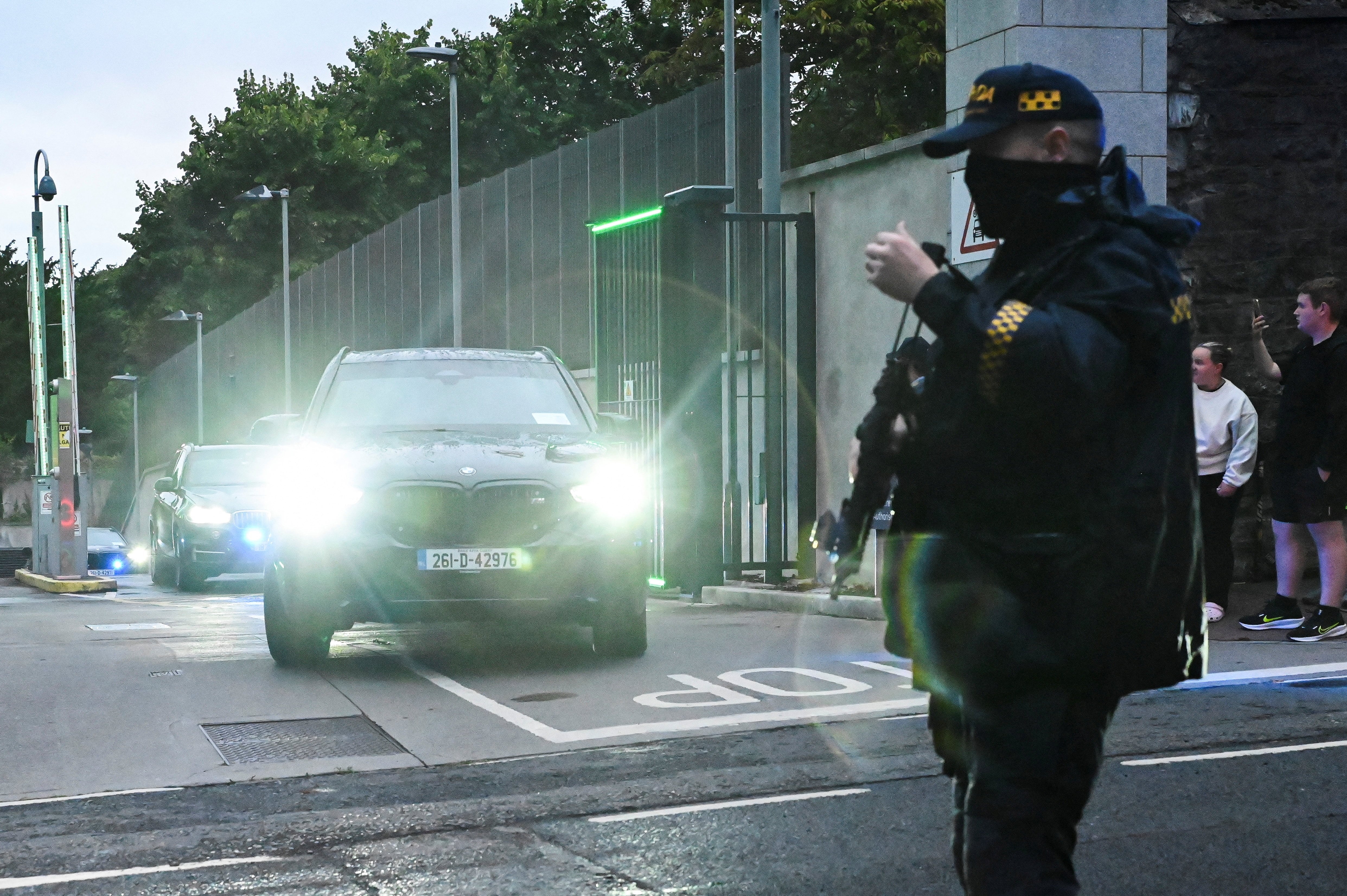
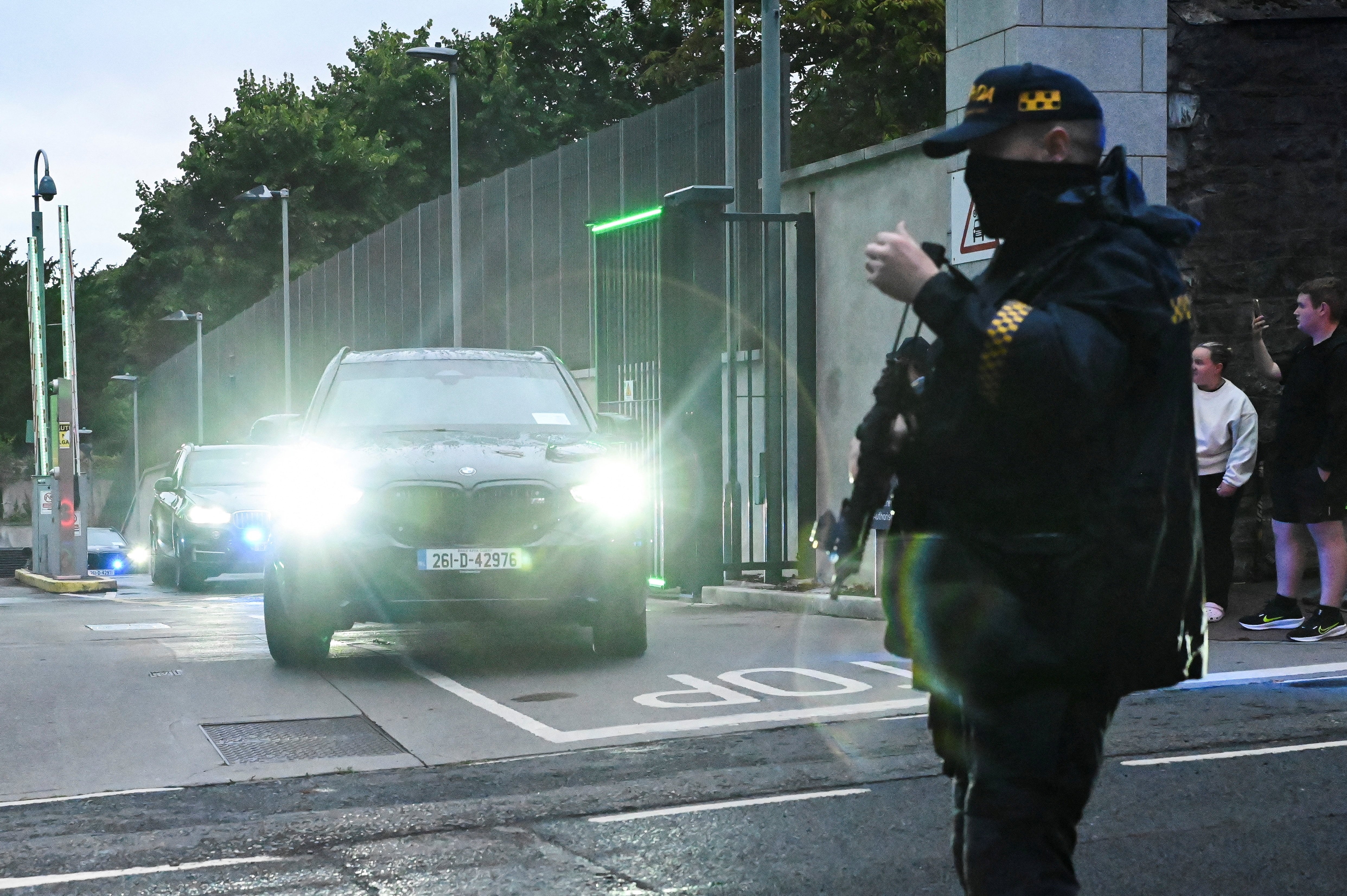
Syrian dissident Mahmoud Eisa was about to step into a taxi in Damascus with a communist comrade in the autumn of 1992 when security agents ambushed them. They were shoved into a white Peugeot that took them to a security branch. With them in the car was Atif Najib, the intelligence operative sentenced to death by a Damascus court on Tuesday for his role in cracking down on peaceful protests that…
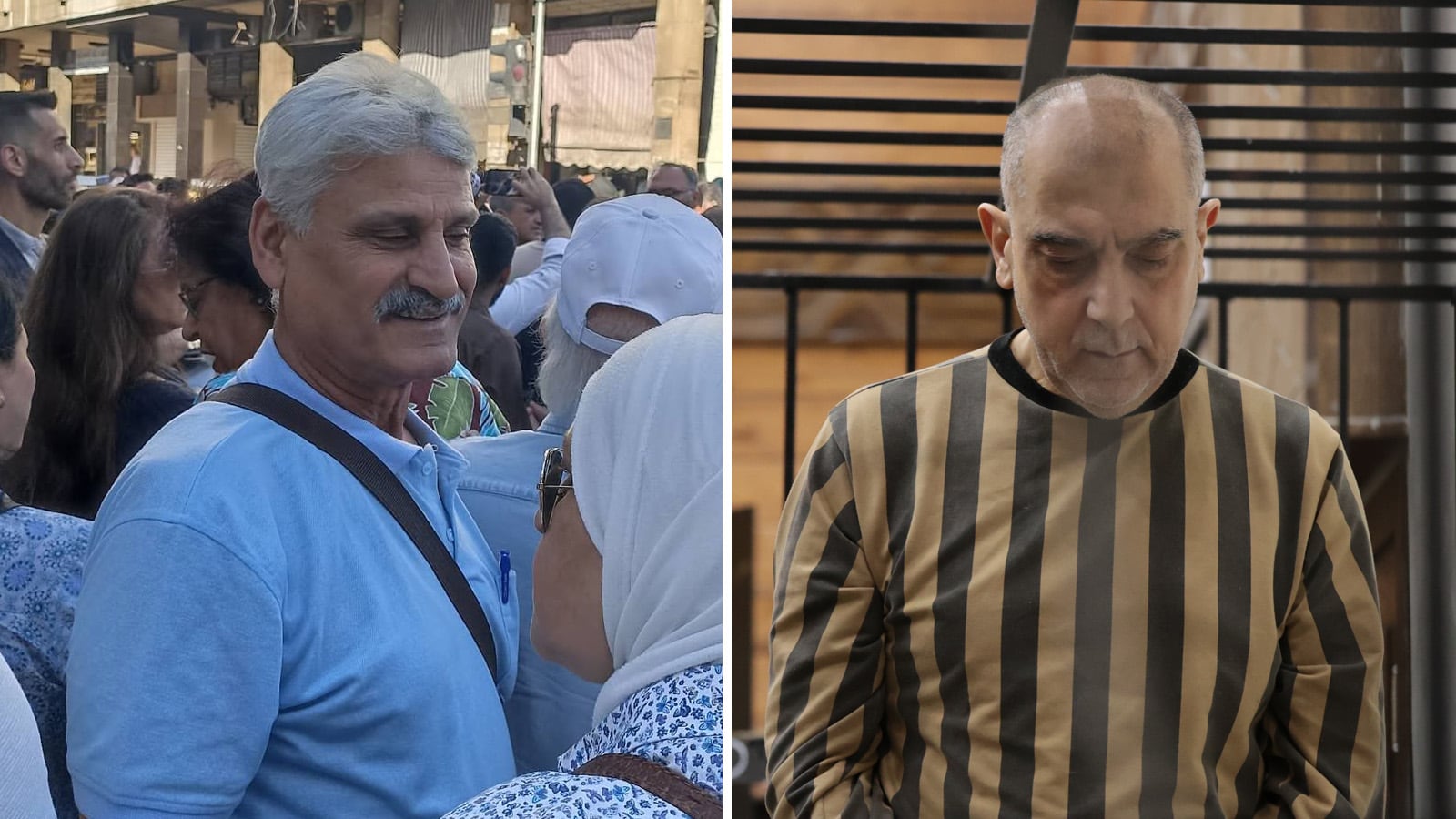
In the autumn of 1992, Syrian dissident Mahmoud Eisa was on his way to a taxi in Damascus with a fellow communist when security agents intercepted them. Accompanying Eisa was Atif Najib, the intelligence operative who was handed a death sentence by a Damascus court on Tuesday for his part in suppressing peaceful protests in Deraa province in 2011.
This marked the first time a member of the Assad regime convicted of crimes after the former president's ouster in December 2024 was facing execution. Most loyalists abandoned the country after Assad's fall.
Najib's encounter with Eisa began when the latter was shoved into a white Peugeot with his fellow victim. His tormentor then inserted wires into Eisa's body, subjecting him to two rounds of torture daily. "I fainted with every shock," Eisa recounted, spending eight years as a political prisoner after the ordeal. At the time, Najib was a junior official in the security apparatus that sustained the Assad family regime. He later rose to head political intelligence in Deraa.
The trial focused on Najib's involvement in "Black Wednesday," when security forces killed at least 11 protesters outside Omari Mosque in Old Deraa in 2011. This event marked the first massacre of what would become Syria's protracted civil war. While Najib was acknowledged as a "pillar of the system" with no reservations about committing any crime to maintain power, Eisa advocated against his execution.
"I am against the death penalty," Eisa stated. He added that it would be difficult to convince others in Deraa that Najib should be spared, as Syrian executions typically involve hanging.
Najib, in his mid-60s, was charged with the murder of an unspecified number of individuals, as well as torture and other crimes. He maintained his innocence throughout the eight-session trial. The sentence, subject to appeal, was pronounced under the same criminal code that had been in place during Assad's rule. A transitional justice law recognizing war crimes and crimes against humanity is anticipated to be enacted this year.
Omar Nseirat, a prominent member of a Deraa family who played a role in the 2011 uprising, expressed that there had been "too much blood" to even consider sparing Najib. He emphasized that Syria was not Tunisia, where hundreds were killed before the regime collapsed. In Deraa alone, thousands of civilians were killed by the former regime, Nseirat pointed out.
The tight-knit society in the region holds a long memory, and people remain angry at the delay in initiating the transitional justice process. Although it has been 15 years since the tragic events in Deraa, the blood shed by Najib and others from the former regime remains fresh in the minds of the people. "They have waited so long," Nseirat said, adding that there would be widespread outrage if Najib is not executed promptly.
Written by urgent.news from The National UAE's reporting — not their text. Machine-written — may contain errors; check the original before relying on it.
This story
This is one outlet's version. Read the fullest account.