A dissident's story: How Assad’s cousin Najib inflicted violence before revolt that led to death sentence
Syrian dissident Mahmoud Eisa was about to step into a taxi in Damascus with a communist comrade in the autumn of 1992 when security agents ambushed them. They were shoved into a white Peugeot that took them to a security branch. With them in the car was Atif Najib, the intelligence operative sentenced to death by a Damascus court on Tuesday for his role in cracking down on peaceful protests that…
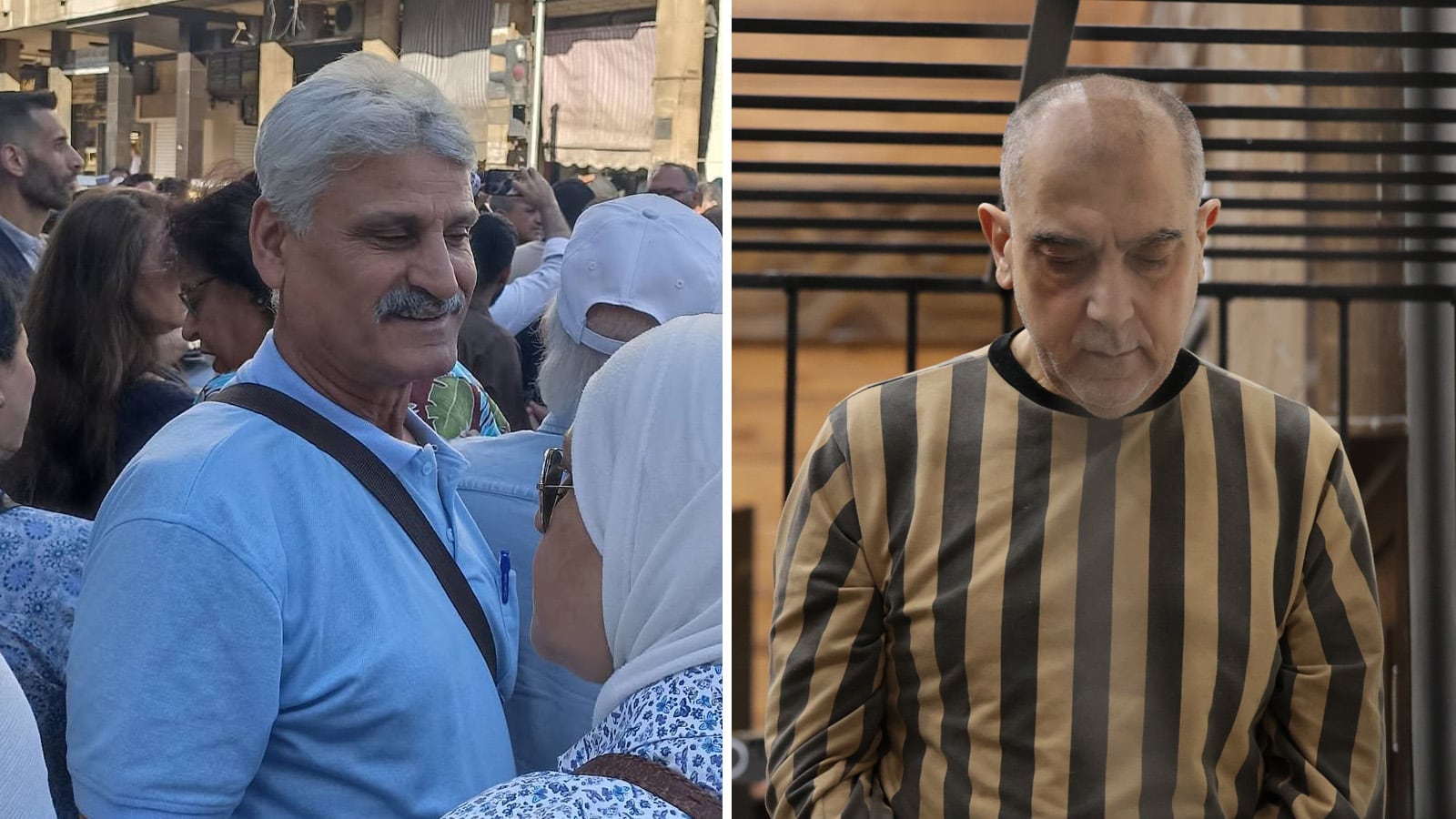
In 1992, Syrian dissident Mahmoud Eisa was apprehended by security agents in Damascus while traveling in a taxi with a fellow communist. They were taken to a security facility where Atif Najib, a cousin of then-President Bashar Al Assad and a senior intelligence operative, subjected Eisa to brutal torture over the course of two daily sessions.
Eisa recounted that Najib held a gun to his chest during the encounters and that he was shocked with wires attached to his body, causing him to faint with each electrical surge. Eisa spent eight years in prison as a political prisoner as a result of these torturous experiences.
Najib's role in the 2011 Deraa protests, which ultimately led to the civil war, was a central focus of his trial. He was charged with involvement in the "Black Wednesday" massacre, during which security forces killed at least 11 protesters outside Omari Mosque. The court sentenced Najib, among eight others in absentia, for murder, torture, and other crimes related to the Deraa incident.
Despite Najib's apparent allegiance to the Assad regime, Eisa expressed opposition to his death penalty, arguing that a lengthy prison sentence would be a more fitting punishment. He acknowledged that Najib might be punished in the long term by enduring years in confinement, rather than the swift execution method used in Syria, which involves hanging.
Bashar Al Assad received the same sentencing as eight other men in absentia for their roles in the Deraa events. The trial took place under the same criminal code that had been in place during Assad's rule. However, the sentence is still subject to appeal. The transitional justice law, which seeks to recognize war crimes and crimes against humanity, is expected to be enacted this year.
Omar Nseirat, a prominent Deraa resident and civil figure from the 2011 uprising, expressed a lack of sympathy for Najib's potential sparing. Nseirat emphasized that the bloodshed in Deraa was too extensive to consider leniency, comparing Syria to Tunisia in terms of the regime's downfall. He highlighted the deep-seated anger in Deraa following the regime's actions, stating that the wait for transitional justice has been 15 years long and that the people are eager for justice to be served swiftly.
Written by urgent.news from The National Business's reporting — not their text. Machine-written — may contain errors; check the original before relying on it.