$13.5M Maryland project turns dredged sand into 70 acres of wetland for marsh birds
In an impressive $13.5 million initiative, 70 acres of tidal wetland habitat have been established. By reusing dredged river sediment, a previously eroding marsh area was restored, benefiting local wildlife and commercial shipping activities alike. The introduction of native salt marsh grasses has fortified this new terrain, enhancing its stability. As a result, Maryland's shoreline and diverse…
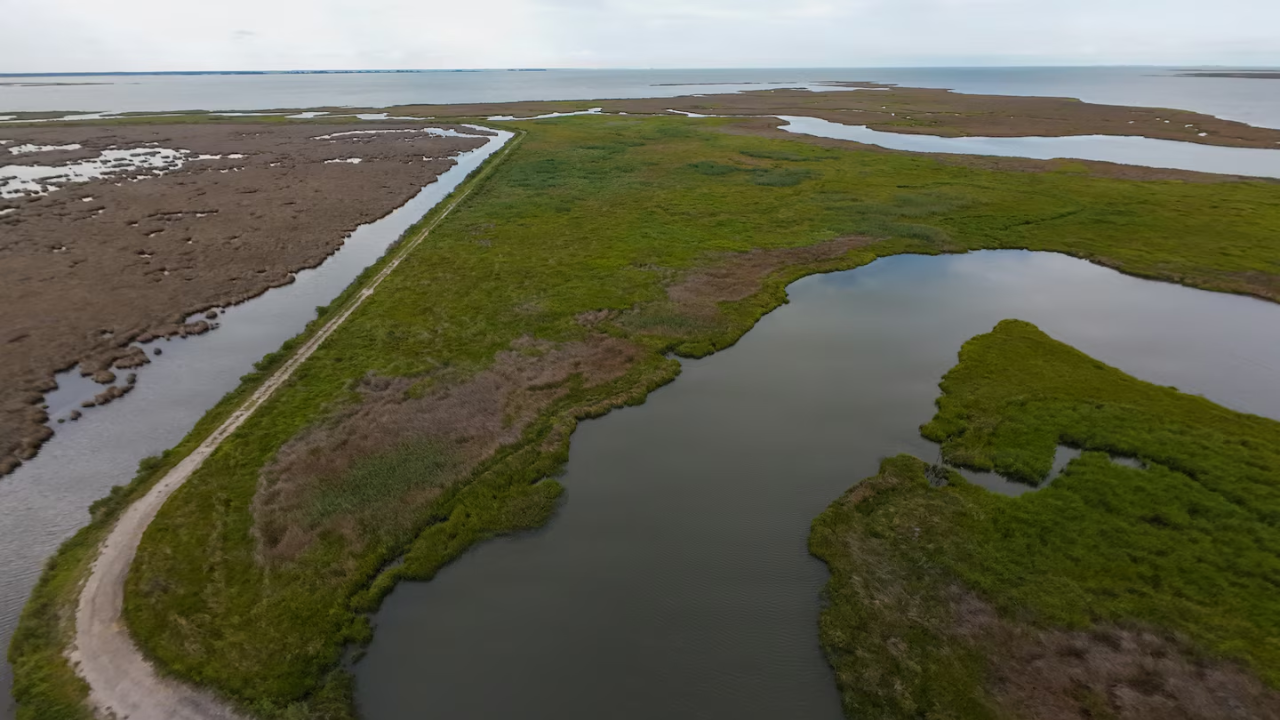
The US Army Corps of Engineers in Baltimore has successfully transformed dredged river sediment into about 70 acres of tidal wetland habitat in Somerset County, Maryland. The $13.5 million restoration project at the Deal Island Wildlife Management Area involved converting eroding marsh into higher ground, creating important nesting habitat for threatened marsh birds, and helping maintain a major commercial shipping channel.
The project utilized sand, silt, and shell removed from the lower Wicomico River federal navigation channel, which is crucial for the Port of Salisbury. The Army Corps partnered with state and regional entities to reuse the dredged material, strengthen the declining marsh, and prevent further erosion. Native salt marsh grasses were planted to stabilize the new sediment, reduce coastal erosion, and filter runoff before it reaches the Chesapeake Bay.
The restored wetland now provides critical habitat for coastal wildlife and demonstrates how dredged material can be beneficially utilized while protecting Maryland's coastal environment and supporting threatened bird populations.
Written by urgent.news from Times of India's reporting — not their text. Machine-written — may contain errors; check the original before relying on it.