World's largest island is filling its jobs with Southeast Asian workers
Filipinos and Thais have become the two largest foreign communities in Greenland, filling a labor gap the Arctic territory cannot close from its own population of about 57,000.
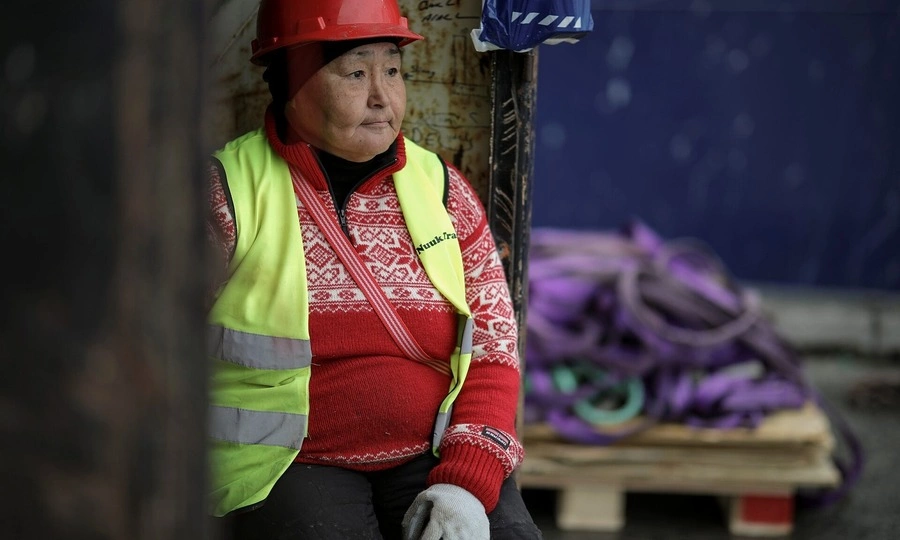
Greenland, the world's largest island, is filling its workforce with workers from Southeast Asian countries, particularly Filipinos and Thais. Currently, about 1,300 Filipinos and 460 Thais reside on the island, with the Filipino population nearly five times larger than five years ago and the Thai population roughly doubling. Filipinos have become the largest foreign diaspora in Greenland, working across various sectors, including supermarkets, hotels, restaurants, fisheries, cleaning companies, breweries, health facilities, and small businesses.
In Nuuk, the capital, Filipinos make up 12% to 13% of the workforce, a significant increase from 118 in 2016 to 770 in 2026. The majority of these workers earned an average of $52,800 in 2024, compared to the average wages in Thailand and the Philippines. The Greenland Business Association reported a shortfall of around 600 workers across all sectors, indicating a growing need for foreign labor.
The government is working to address this labor gap by collaborating with employers to expedite hiring. Despite concerns from nationalist politicians, the idea that outside labor signals local incompetence has not gained much traction. Filipino business owners in Greenland, like Rid Mondejar, have adapted their menus to include local ingredients such as reindeer and musk ox.
While many migrants do not plan to stay permanently, the chain migration pattern suggests a growing community of Filipinos working and living in Greenland, with personal remittances reaching a record $39.62 billion in 2025.
Written by urgent.news from VnExpress International's reporting — not their text. Machine-written — may contain errors; check the original before relying on it.