Why Is AI So Popular in China?
The technology is far less divisive than in the United States.
The United States has been increasingly accusing China of meddling in local data center opposition, while new rules on exit bans and offshore trusts have been issued by Beijing. Local opposition to AI data centers is rising in the United States, prompting Silicon Valley elites and Republican politicians to blame China for interference.
However, this opposition is entirely genuine, as it reflects the unpopularity of data centers in the U.S. This situation highlights the ideological and social divisions surrounding AI debates in the U.S.
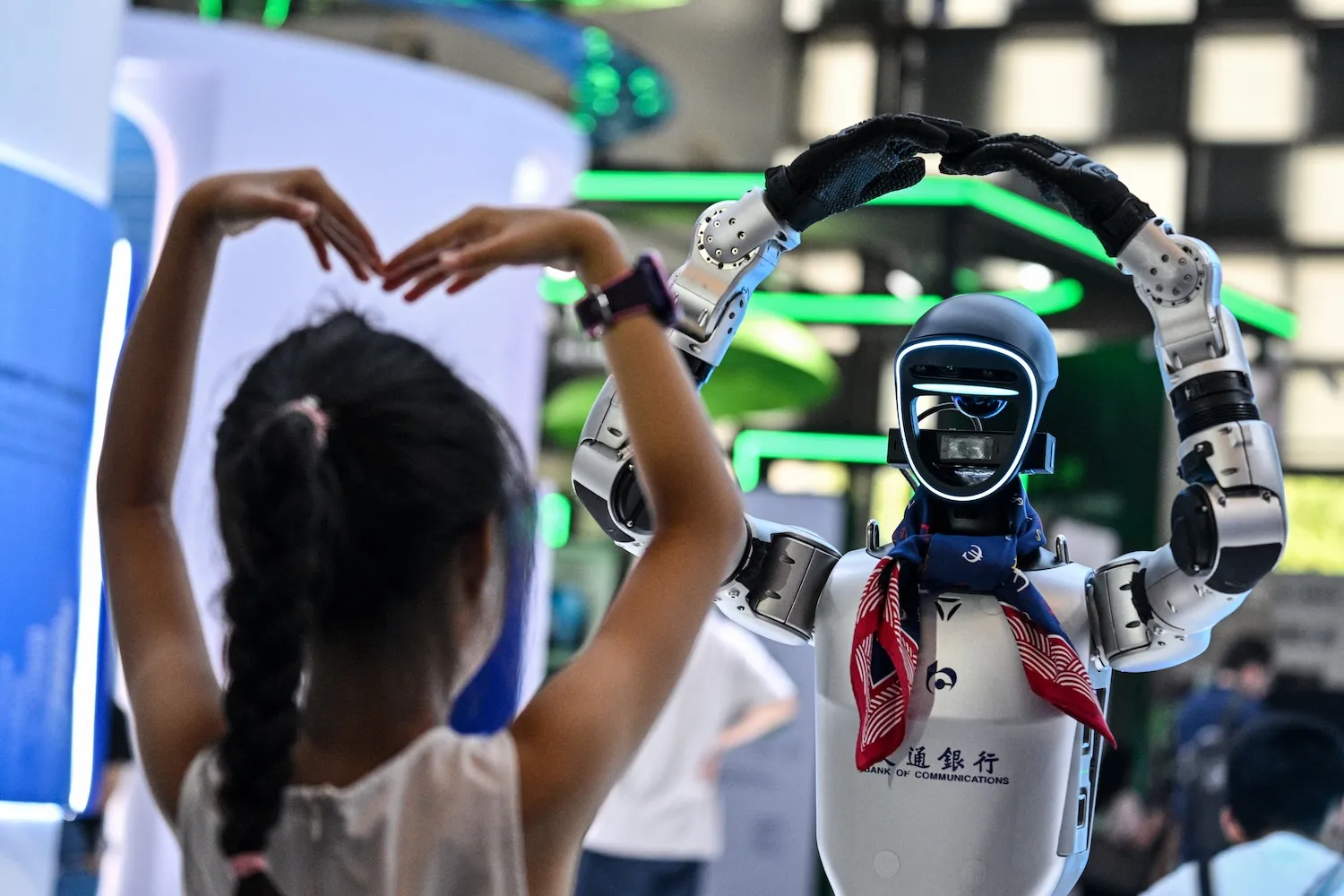
In stark contrast, AI is widely popular and embraced by both the Chinese government and public. A recent poll found that 87% of Chinese people trust AI, compared to just 32% in the U.S. This divergence can be attributed to China's long-standing tradition of cybernetics, which treats AI as a vital future technology requiring careful management and public education. In China, AI is viewed as a bureaucratic tool for coordinating and controlling systems rather than a threat to humanity.
The U.S. AI debate is driven by Silicon Valley's millenarian fantasies about superintelligence—a belief in a winner-takes-all AI race. In comparison, Chinese leaders, like technocrat Kai-Fu Lee, focus on the ethical questions raised by human-like robots and their interactions with ordinary people. The Chinese internet has become more controlled under President Xi Jinping, but AI has been seamlessly integrated into daily life, making it just another tool in an already highly digital environment.
When Chinese President Xi visits the U.S. for a summit, the U.S. delegation will likely focus on maintaining AI superiority and the supposed existential threat posed by superintelligent computers. In contrast, the Chinese delegation will be more concerned with AI's effects on employment, military decision-making, fraud, and maintaining government control over autonomous systems.
In essence, Beijing's concerns over AI are grounded in real issues and problems, while much of the U.S. AI debate is driven by science-fiction fantasies and geopolitical motivations.
Written by urgent.news from Foreign Policy's reporting — not their text. Machine-written — may contain errors; check the original before relying on it.