Where, when and how to watch the 2026 solar eclipse
A total solar eclipse is set to be visible across parts of Europe, while a partial eclipse will sweep across about a quarter of the planet – here’s how to catch it
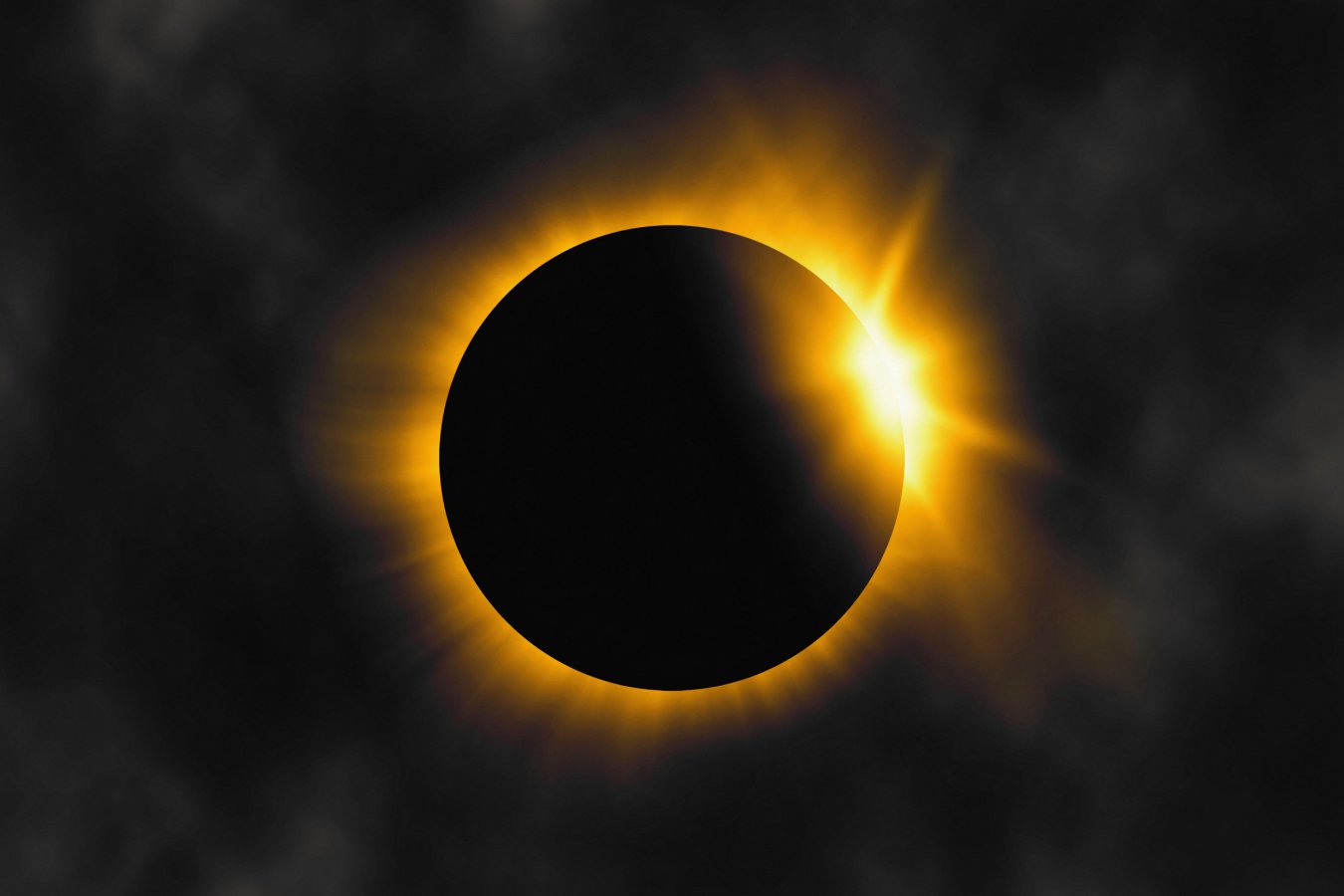
On 12 August, a total solar eclipse will traverse parts of Europe and the Atlantic Ocean, as the moon passes between Earth and the sun, blocking sunlight. In the United States and Africa, as well as the entire UK, much of Europe, and Canada, people will witness a partial solar eclipse. Totality, when the moon aligns perfectly with the sun and blocks it entirely, begins in Russia around midday before moving eastward across the Arctic Ocean.
The shadow then rushes along Greenland's eastern coast at over 3400 kilometers per hour, lasting about 2 minutes and 18 seconds.
Totality will be visible in Iceland for just over a minute at 5.48pm local time, making it the first time the event has been visible in Iceland since 1954. The eclipse will cross back into the ocean and reach northern Spain just before 8.30pm local time, passing the northeast corner of Portugal and the Balearic Islands off Spain's east coast before sunset ends the event.
For those in the UK and Ireland, the partial eclipse will cover 90 to 96 percent of the sun, with the maximum occurring at 7.12pm in London. In Montreal, the eclipse will cover 18 percent of the sun at 1.45pm, while New York will experience a 9 percent coverage at 1.54pm. To watch the eclipse safely, eye protection is necessary throughout the event. If eclipse glasses are unavailable, a pinhole camera or natural shadows can be used to project the sun's shape as the moon passes in front of it.
Written by urgent.news from New Scientist's reporting — not their text. Machine-written — may contain errors; check the original before relying on it.