What to do if you can't find solar eclipse glasses in Sweden
This year, Sweden is expecting its most extensive solar eclipse since 2015 – and the best chance to see one in Sweden until 2039. But what if you can't source eclipse glasses?

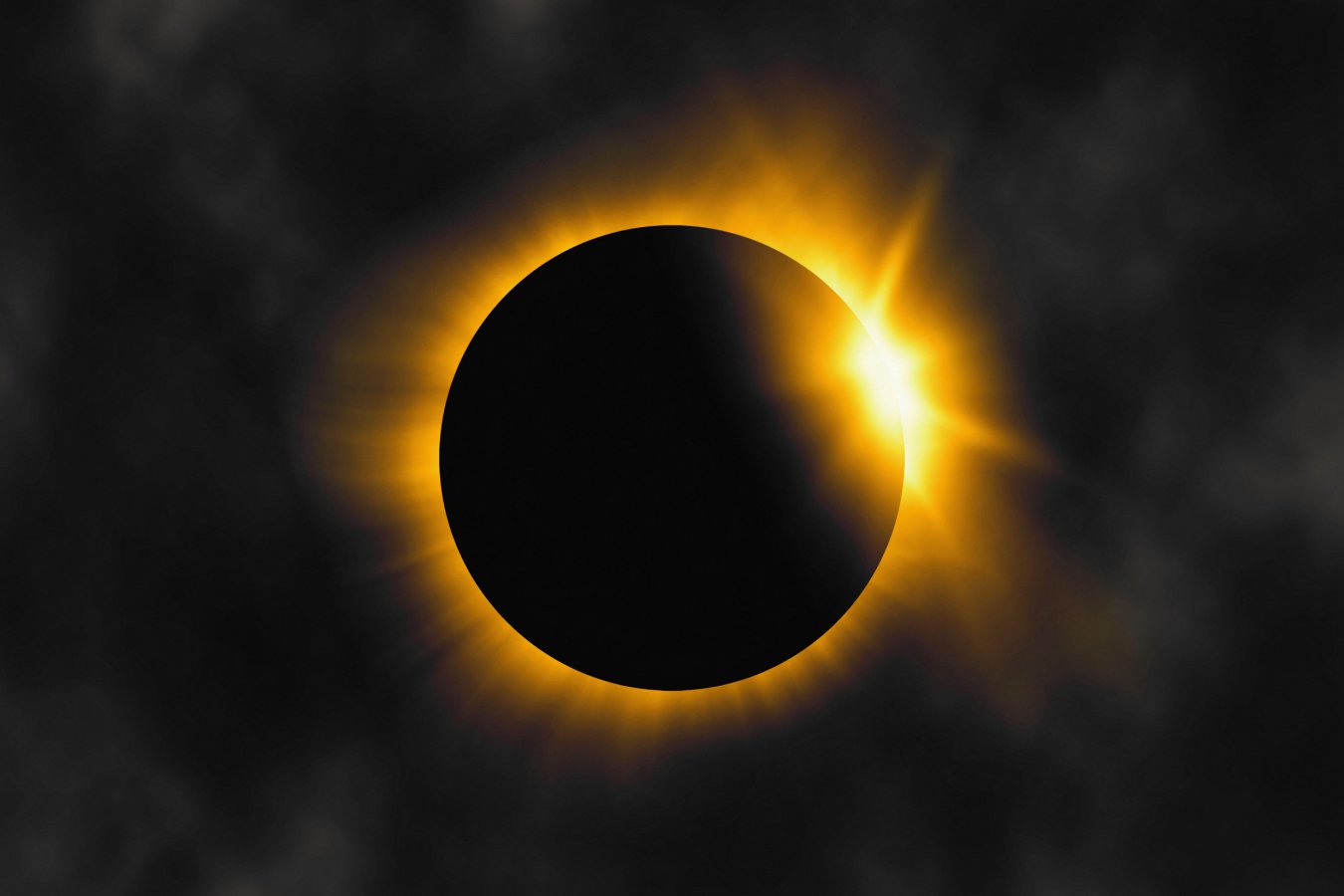
Sweden anticipates its most significant solar eclipse since 2015, with the upcoming event occurring on August 12th. Astronomer Robert Cumming of Chalmers University of Technology explains that the moon will obscure about 80% of the sun's light, transforming the appearance of the sun into a crescent. The partial eclipse will commence around 7pm and peak at 8pm in most regions, while the northern areas will experience an earlier start and end.
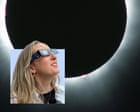
To safely view the eclipse, it is crucial to wear certified eclipse glasses that adhere to the DIN EN ISO 12312-2:2015 standard. Sunglasses, even from stores like Normal or Lidl, are insufficient for safe viewing. If glasses are unavailable, there are alternative methods to observe the eclipse:
1. Utilize everyday objects with small holes, such as colanders, cheese graters, or laced fingers to cast crescent-shaped shadows on surfaces.
2. Create a pinhole projector using a cardboard box with a pin or pen, allowing the sun's image to be projected onto the opposite end.
3. Cover a small, flat mirror with paper or cloth, leaving a tiny hole, and position it so sunlight reflects through the hole and onto a wall or screen.
4. Employ a disco ball, which provides small spots of light reflecting the solar eclipse and adds a festive atmosphere.
However, it is vital to remember that conventional methods like watching shadows, pinhole projections, or even using a disco ball do not replace the need for certified eclipse glasses. Looking directly at the sun, even during a partial eclipse, poses a severe risk to retinal health. If an accident occurs, there is no way to reverse the damage to the retina. In summary, enjoy the solar eclipse by employing safe viewing techniques and avoid direct eye contact with the sun at all costs.
Written by urgent.news from The Local Sweden's reporting — not their text. Machine-written — may contain errors; check the original before relying on it.