When safe assets compete with risk. Lessons from the 1960s–90s for bitcoin and stocks.
Your day-ahead look for Aug. 11 2026
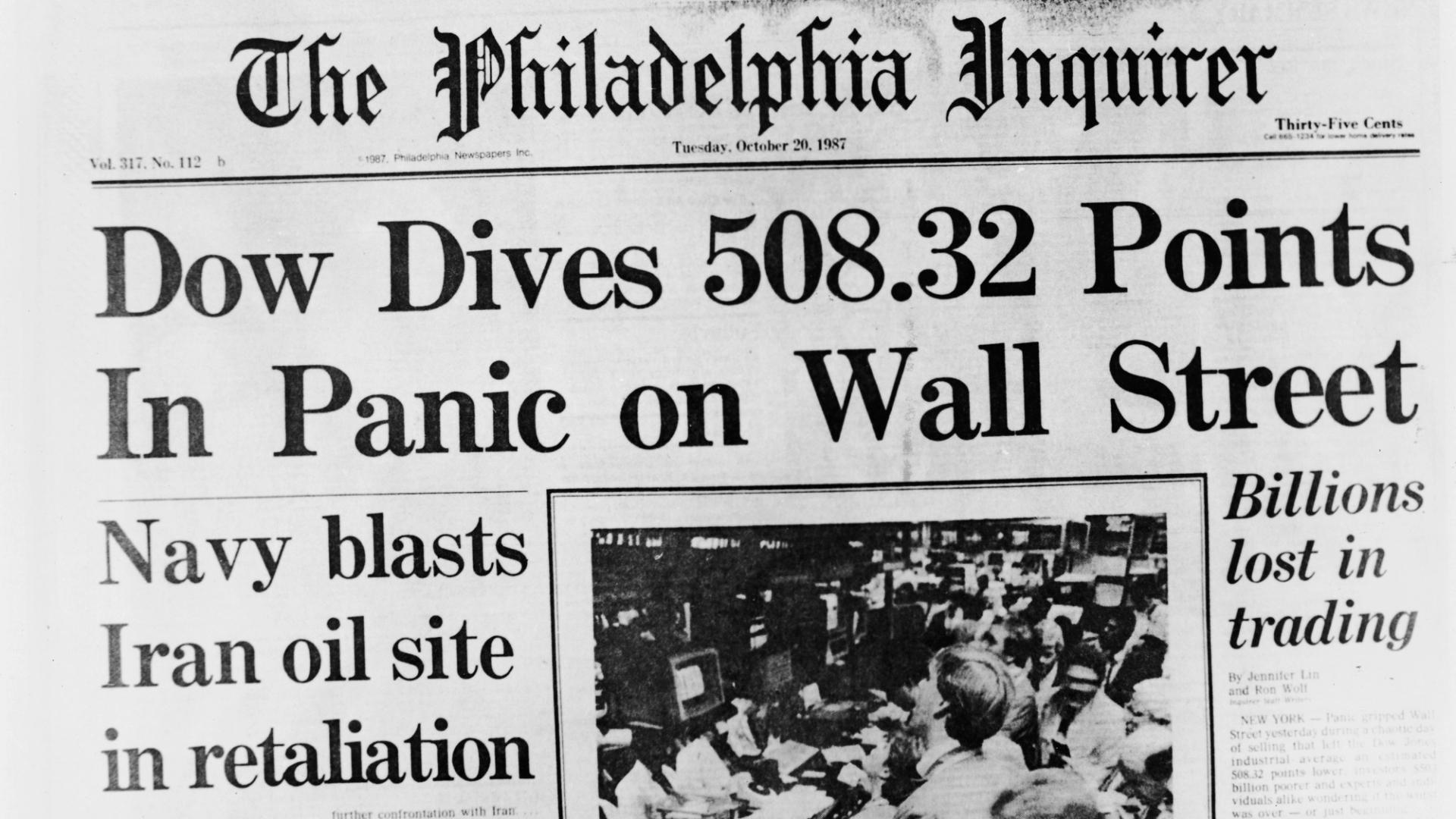
This excerpt from CoinDesk's Daybook newsletter discusses the rising risk-free rate of U.S. Treasury securities and its impact on financial markets. Historically, sharp increases in this rate have led to fierce competition for capital with stocks and other assets, often resulting in painful market adjustments. One notable example is the Black Monday crash of October 19, 1987, where the Dow Jones Industrial Average plummeted by 22.6% in a single day due to investors ignoring the higher opportunity cost of capital.
Currently, yields are generally on the rise since the 2020 Covid market crash, mirroring a multi-decade uptrend that began in the late 1950s. The 30-year yield is hovering at its highest level since 2007 and may continue to rise if the upcoming U.S. CPI data supports higher-for-longer Federal Reserve interest-rate expectations. When yields increase, other assets, including stocks and bitcoin, must justify their prices with stronger earnings or cash flows.
For bitcoin, the situation is more complex than for stocks since the cryptocurrency lacks earnings or cash flow. Its value is solely based on its perceived digital gold status and as a hedge against fiat currency depreciation. While history may not repeat itself with a crash in both stocks and bitcoin, the fact that capital once abundant and driven by narrative and momentum now has a safer alternative is noteworthy. Forecasts for bitcoin prices to soar to $500,000 or $1 million in the coming years appear overly optimistic.
Written by urgent.news from CoinDesk's reporting — not their text. Machine-written — may contain errors; check the original before relying on it.