Violence and bullying in South African schools: A growing crisis
Exploring the rise of violence and bullying in South African schools and its impact on learner safety
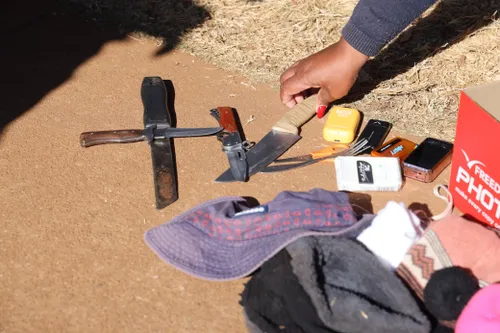
South African schools are grappling with a burgeoning crisis involving violence, gangsterism, bullying, sexual assault, and criminal behavior that threaten students' safety and their constitutional right to education. Recent incidents in Gauteng have reignited concerns, with armed suspects entering or operating near schools and weapons discovered among learners.
In response, the Gauteng Education MEC Lebogang Maile denounced the violence, calling for stronger Safe Schools interventions, anti-bullying measures, and collaboration between education authorities, law enforcement, communities, and NGOs to transition from reactive to preventive strategies.
The crisis transcends Gauteng, as the Western Cape faces its own challenges. A murder investigation is underway following a Grade 10 pupil's death at Bellville South High School, allegedly perpetrated by another student. Additionally, bullying has led to the expulsion of six learners from Milnerton High School, with eight linked to the incident facing assault charges. The Western Cape Education Department confirmed that two juveniles are being processed separately.
According to the latest Statistics South Africa figures, 1,156,009 learners reported experiencing some form of violence at school. The DA's Basic Education spokesperson, Desiree van der Walt, emphasized the severe impact of this issue on children's trust, confidence, and educational prospects. A South African Human Rights Commission report revealed the prevalence of sexual violence in schools, involving educators, learners, staff, and outsiders, with only a fraction of cases leading to convictions or other repercussions.
Legal experts caution that schools and provincial Education departments could face significant financial liabilities for failing to address repeated warning signs. The National Professional Teachers' Organisation of South Africa (NAPTOSA) has called for schools to be held accountable when necessary protocols are ignored, stressing the importance of clear policies, adequate staffing, and access to professional support for students.
Addressing the root causes of bullying, NAPTOSA spokesperson Lorvica Matthews stressed that it reflects broader societal problems, including violence, crime, poverty, inequality, and harmful social norms, which must be tackled collectively to create safer educational environments.
Written by urgent.news from IOL's reporting — not their text. Machine-written — may contain errors; check the original before relying on it.