US power demand to reach new highs through 2027, EIA says
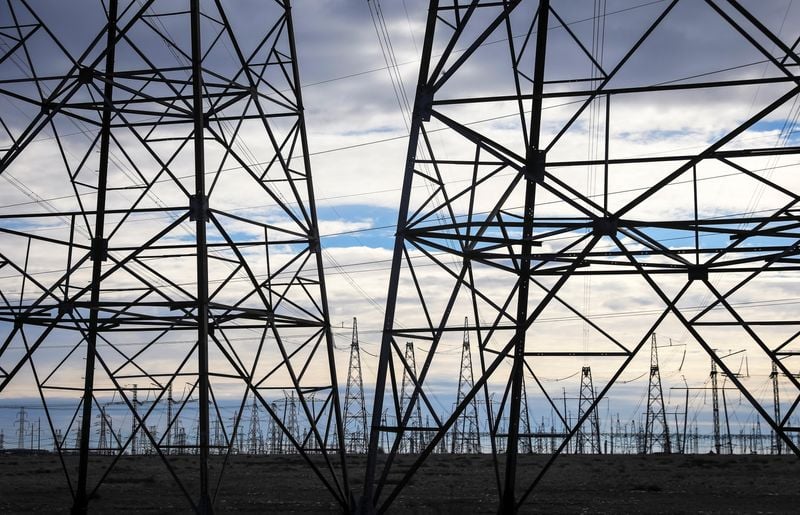
The United States is projected to experience record-high electricity consumption in 2026 and 2027, according to projections from the Energy Information Administration (EIA). This growth is attributed to the expansion of data center operations, particularly those supporting artificial intelligence and cryptocurrency, as well as increased electrification across various sectors of the economy.
Electricity demand is expected to increase from 4,195 billion kilowatt-hours in 2025 to 4,268 billion kWh in 2026 and 4,391 billion kWh in 2027.
Data centers, driven by the rise of artificial intelligence and cryptocurrency operations, are a significant contributor to the increased power demand. Additionally, there is a growing trend of residential and commercial use of electricity as a cleaner alternative to fossil fuels for heating and transportation. However, the EIA has revised its forecast for Texas in 2027, anticipating a 6% growth in electricity load, down from the previously projected 14%.
Residential electricity sales are expected to slightly decline in 2026, from the record 1,515 billion kWh in 2025, to 1,514 billion kWh. Commercial electricity sales are projected to rise to 1,545 billion kWh, while industrial sales will remain steady at 1,064 billion kWh. The share of electricity generated from coal is projected to decrease from 17% in 2025 to 16% in 2026 and 15% in 2027. Natural gas is expected to maintain a 40% share in electricity generation through 2027, consistent with 2025 levels.
Renewable energy's share of power generation is anticipated to grow from approximately 24% in 2025 to 25% in 2026 and 27% in 2027. Nuclear power generation is projected to remain steady at 18% for both 2026 and 2027. Natural gas consumption for residential use is expected to fall to 12.5 billion cubic feet per day in 2026, while commercial consumption will decrease to 9.5 billion cubic feet per day.
Industrial natural gas consumption is projected to increase to 23.9 billion cubic feet per day, while power generation will use 36.6 billion cubic feet per day.
Written by urgent.news from Investing.com's reporting — not their text. Machine-written — may contain errors; check the original before relying on it.