US fuel sales to Cuban business bring a glimpse of capitalism to Havana
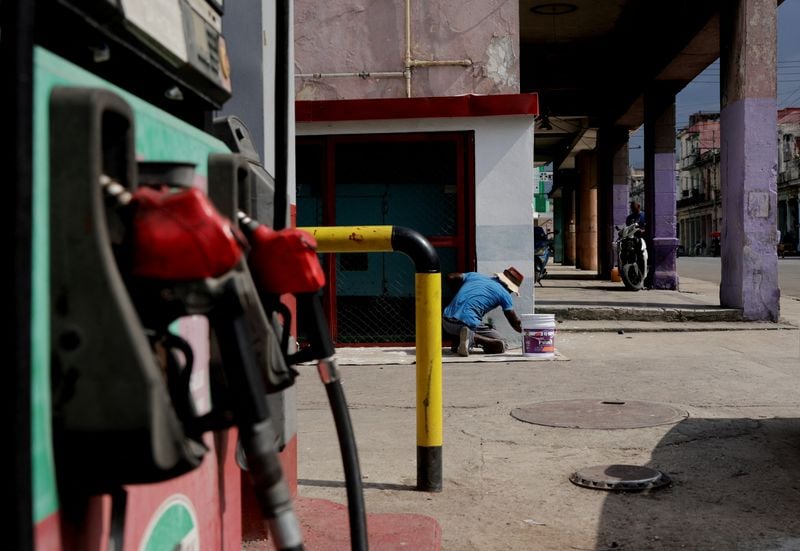
Gasoline in Cuba is now priced at $38 per gallon, sold from small apartments. Diesel is hawked on Instagram with a reggaeton soundtrack. Six decades after Fidel Castro’s revolution, capitalist elements are emerging in Cuba’s communist energy sector. Under the U.S. embargo on Cuba, an exception allows U.S. firms to export fuel to private Cuban businesses, leading to a chaotic black market and uncontrolled energy distribution that was previously strictly managed by the state since Eisenhower’s time.
Oil shipments from Cuba’s usual suppliers, Venezuela and Mexico, abruptly ceased after the U.S. removed Venezuelan President Nicolas Maduro in January. U.S. Coast Guard cutters patrol off Cuba’s coast, and sanctions have discouraged tankers from even attempting the journey. The embargo has crippled essential services like healthcare, public transport, and schools.
However, the Commerce Department’s exception has allowed a trickle of gasoline and diesel to reach private restaurants, retailers, and taxis, the first significant U.S. fuel imports to the Caribbean island since Castro took control in 1959. Reuters couldn’t identify the U.S. companies involved, but there’s no indication of major oil traders.
Some fuel is resold on the black market, helping those who can afford it maintain gas for their vehicles, alleviating the impact of public transport failures, rolling blackouts, and aiding the water distribution system. While providing some relief, this system is widening wealth gaps. In Havana, on a July afternoon, Amarilis Sanchez, 53, waited for hours at a bus stop, expecting her daughter’s birthday celebration to be cut short as the bus, normally costing 2 pesos, was unlikely to arrive.
On the street, numerous taxi drivers eyed Sanchez, offering a 1,000 peso ride (500 times the bus fare) due to the high black market gasoline and diesel prices, which many Cuban vehicles rely on. For Sanchez, without employment, this was unaffordable, so she planned to stay at her daughter’s house until the bus arrived the next day.
Only enough to meet the country’s energy demands for about nine days, 900,000 barrels of U.S. fuel imported between February and May have paved the way for significant changes.
Written by urgent.news from Investing.com's reporting — not their text. Machine-written — may contain errors; check the original before relying on it.