The Simple Trick That Can Help You Understand Your Emotions
“I feel bad” is a first draft. Name what’s underneath it, and you might find a plan.
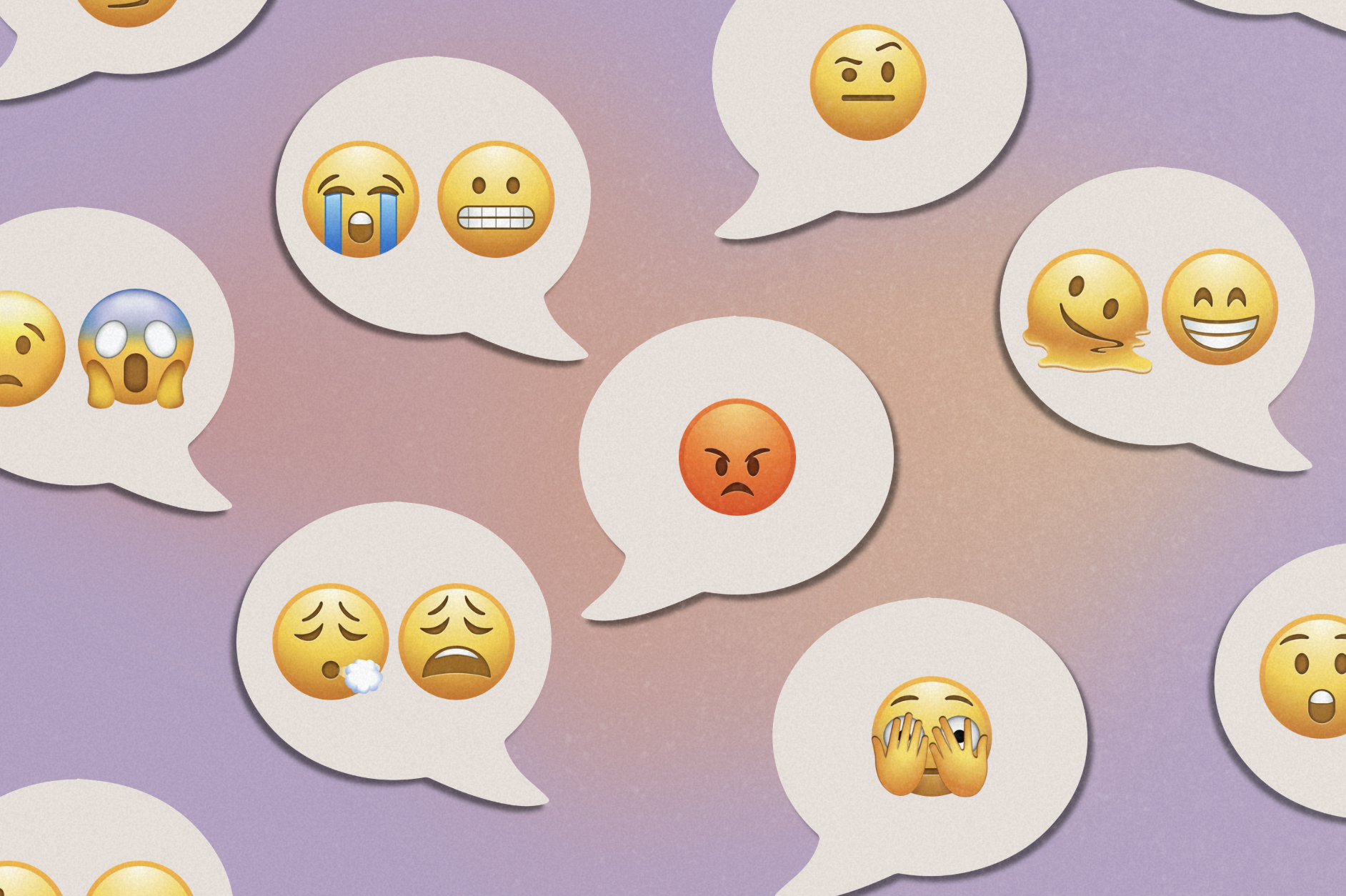
Understanding your emotions can be challenging, but honing your emotional granularity can provide clarity and help you respond appropriately. Emotional granularity refers to the ability to distinguish between different emotions in a given situation. Instead of simply feeling "awful," being granular allows you to identify guilt, embarrassment, and anxiety—each with its own appropriate response.
For instance, guilt might motivate you to replace a damaged item, while embarrassment could lead to avoiding a situation, and anxiety might prompt seeking reassurance from a friend. This distinction is akin to seeing a rainbow with its distinct hues; some people perceive only a single "red," while others distinguish crimson, scarlet, burgundy, and maroon.
Emotional granularity is not just about acquiring a larger vocabulary; it's about gaining a clearer understanding of your inner experiences to tailor your reactions more effectively. When you're only aware that you feel bad, numerous explanations may arise, such as loneliness, shame, or disappointment. Each scenario requires a different approach.
For example, loneliness might be addressed by reaching out to a friend, while resentment could necessitate a confrontation, and anxiety might be managed by planning or seeking information. Naming the specific emotion you're experiencing can transform a vague problem into a more manageable one. However, not all feelings require solutions; sometimes, they simply need acknowledgment.
For example, realizing that you're grieving might not immediately suggest a next step but can help you recognize your emotions and treat them with care. Research has shown that higher emotional granularity correlates with healthier coping mechanisms, such as reduced alcohol consumption in times of stress and fewer aggressive behaviors.
Additionally, increased granularity has been linked to better emotion regulation and lower rates of depression and anxiety. While the research is mostly correlational, it suggests that honing your emotional granularity can contribute positively to mental health. Developing emotional granularity requires practice. One approach is to replace vague feelings with more specific terms.
If you typically say you feel "bad," try to pinpoint the exact emotion—guilt, embarrassment, or anxiety. Be mindful of your habitual words and question their underlying emotions. For those unfamiliar with specific emotions, resources like the Hoffman Institute's list of feelings and sensations can be helpful. With time and practice, you can enhance your ability to recognize and respond to your emotions more precisely.
Written by urgent.news from Time's reporting — not their text. Machine-written — may contain errors; check the original before relying on it.