More Than One Third of U.S. Counties Are Maternity Care Deserts
A new March of Dimes report finds that one-third of counties in the U.S. don't have access to ob-gyn providers or labor and delivery units.
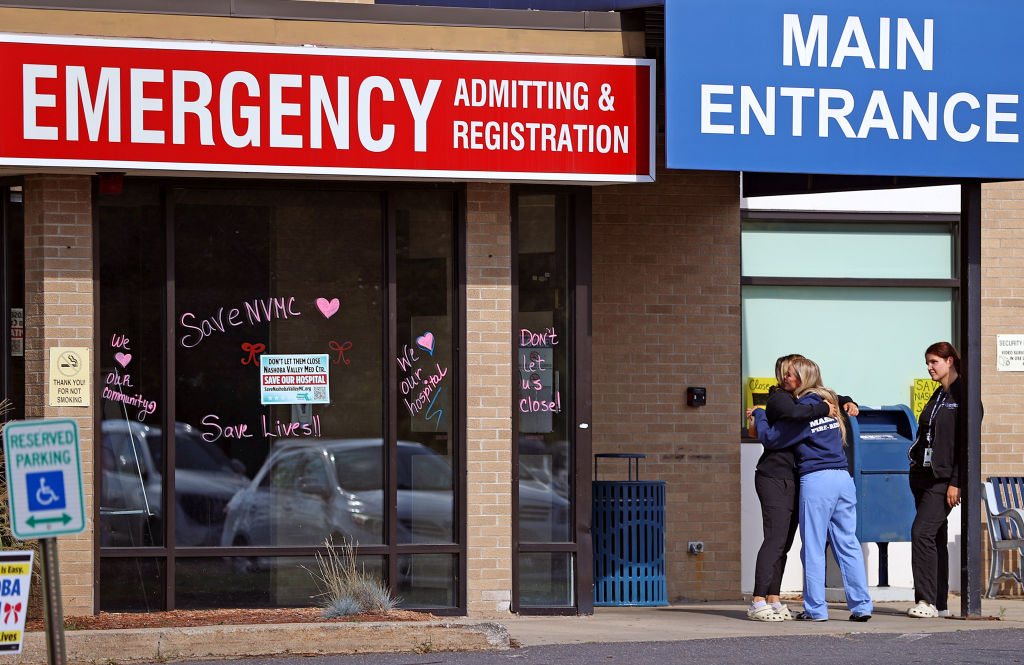
More than one-third of U.S. counties are currently classified as maternity care deserts, according to the March of Dimes' 2026 report, released on August 11. This means that in these areas, there are no hospitals, birth centers, or obstetric clinicians available to women in need of maternity care. The situation has remained largely unchanged since 2016.
The One Big Beautiful Bill Act, signed into law on July 4, 2025, is expected to further exacerbate the issue. This legislation is anticipated to significantly reduce Medicaid payments and introduce challenges for individuals maintaining their Medicaid coverage. Medicaid currently reimburses hospitals at a lower rate than what services actually cost. For instance, a 2022 study revealed that Medicaid reimbursed hospitals $8,732 less for childbirth services than employer-sponsored health plans.
The expected impact of HR 1, coupled with the expiration of subsidies for Affordable Care Act plans, has led to an increase in uninsured patients visiting emergency rooms. This strain on hospitals' financial status may make it even more difficult for rural hospitals to remain viable. Dr. Michael Warren, chief medical officer of the March of Dimes, warns that "it is going to be very challenging for rural hospitals to remain viable," which is likely to further deepen the already existing patterns of maternity care deserts being concentrated in rural communities.
Several factors contribute to the creation of maternity care deserts. First and foremost, obstetric services often incur losses for hospitals due to the need for round-the-clock staffing, including anesthesiologists. In rural areas with low birth rates, hospitals must continue to maintain obstetric units even when few births generate revenue.
Additionally, rural hospitals receive inadequate reimbursement for their services, particularly since a large portion of their patients are on Medicaid. The combination of low birth volume and lower reimbursement rates makes it difficult for hospitals to sustain their maternity care services.
While maternity care deserts are predominantly found in rural areas, urban and suburban hospitals have also faced closures due to financial constraints or staffing shortages. The shortage of practicing obstetric clinicians in rural counties is concerning, with 57.9% of these counties currently lacking one. Furthermore, projections indicate that by 2035, all but six states are expected to have an inadequate supply of obstetric clinicians.
The consequences of living in a maternity care desert are dire for both mothers and babies. Women may miss prenatal appointments due to the need to travel longer distances, potentially resulting in undiagnosed problems. Postpartum care may also be neglected, as the majority of pregnancy-related deaths occur after delivery. Additionally, women with dangerous pregnancies may not receive timely care, as traveling farther to deliver a baby could lead to delayed intervention.
Obstetrician and clinical officer Dr. Lisa Bukovac emphasizes that "minutes count" in obstetrics, underscoring the urgency of addressing this critical issue.
Written by urgent.news from Time's reporting — not their text. Machine-written — may contain errors; check the original before relying on it.