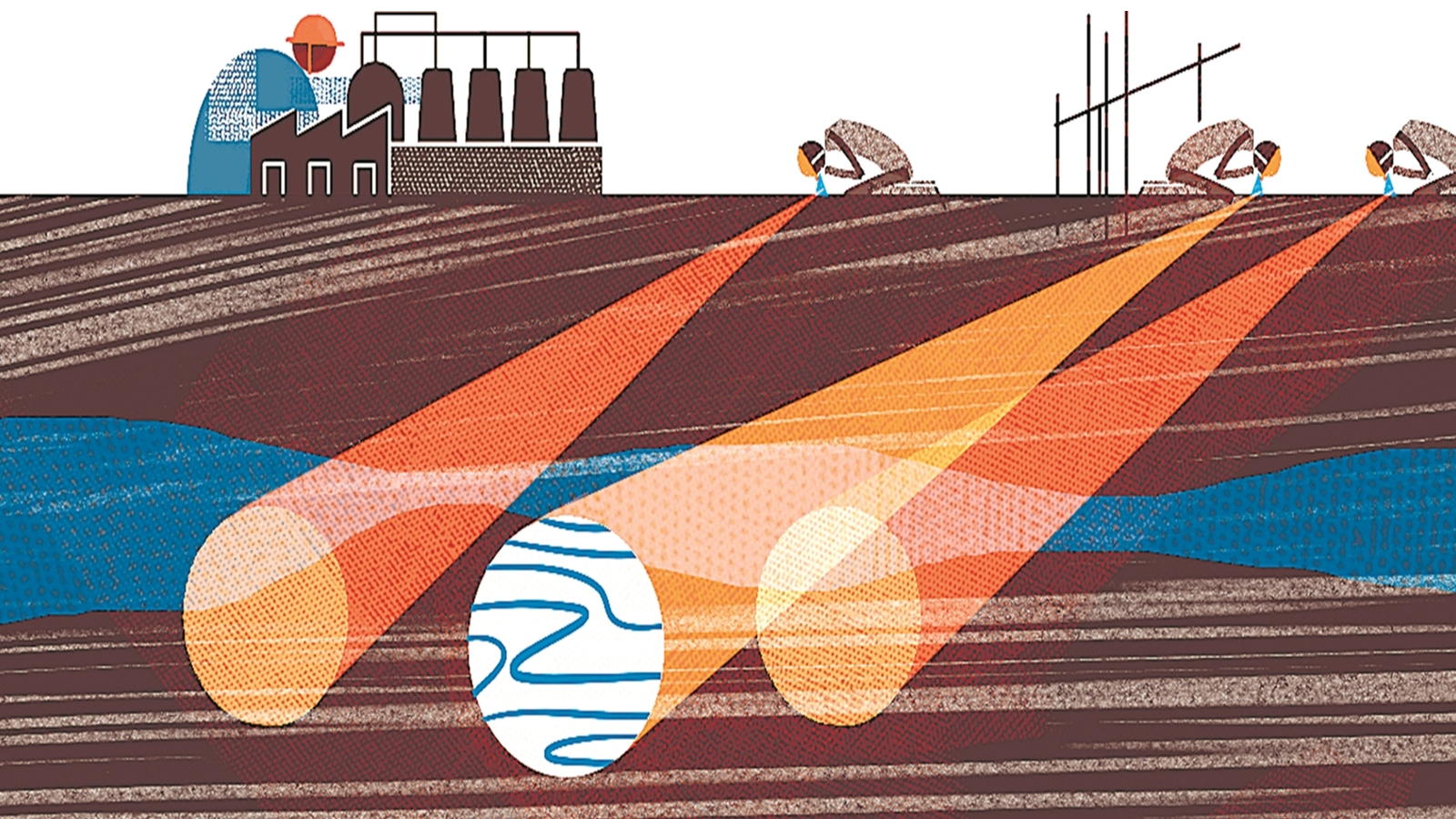
The Iran war should be the end of the Jones Act
The Iran war has provided at least two clear economic lessons. It has exposed the steep costs of being reliant on fossil fuels, highlighting the need for countries to diversify their homegrown energy sources, including solar and wind power. And it has shown what U.S. commerce could look like freed from the Jones Act, one of the most counterproductive protectionist measures of the last century.…
The Iran war has revealed two key economic lessons, according to experts. First, it has underscored the high costs associated with relying on fossil fuels, emphasizing the importance for nations to diversify their domestic energy sources, such as solar and wind power. Second, it has illuminated the profound impact of the Jones Act, one of the most detrimental protectionist policies in recent history.
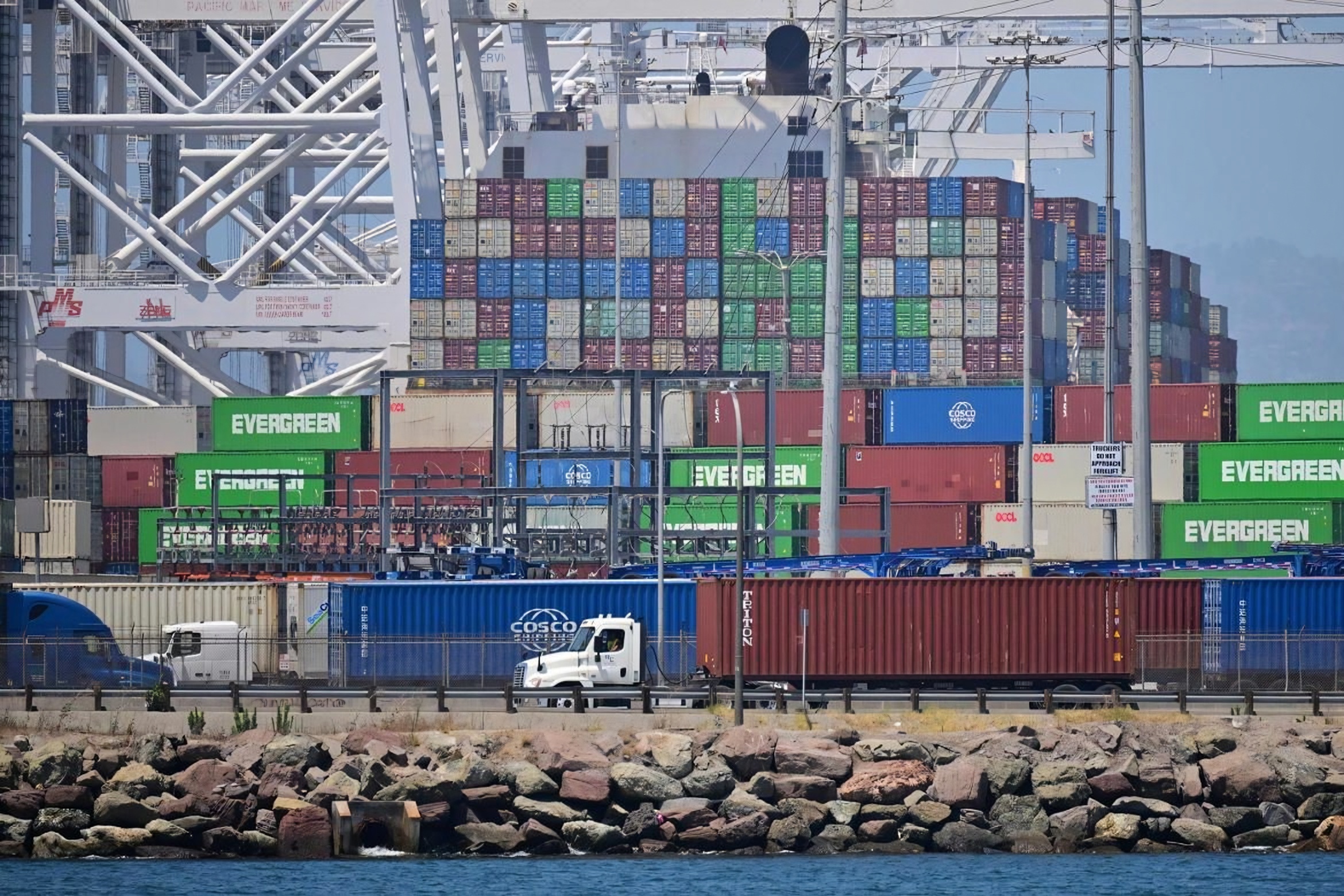
This 1920 law mandates that cargo vessels traveling between U.S. ports must be constructed, owned, flagged, and primarily staffed by Americans.
To demonstrate the act's negative consequences, consider this scenario: A vessel originating from Asia can unload its goods at a West Coast port, but it is prohibited from picking up American-made goods to unload them in Honolulu or any other U.S. city. This restriction imposed by the Jones Act costs Hawaiian families $1,800 annually, according to a study.
Similarly, Alaskans and Puerto Ricans also bear significant burdens due to the act. The law's impact extends beyond Hawaii and Alaska; it affects all Americans by introducing inefficiencies within the shipping industry. By eliminating foreign vessels from these operations, the nation could significantly improve its overall economic efficiency.
Written by urgent.news from The Korea Times's reporting — not their text. Machine-written — may contain errors; check the original before relying on it.
This story
This is one outlet's version. Read the fullest account.
- The Iran war should be the end of the Jones Act koreatimes.co.kr