The Iran war should be the end of the Jones Act
The Iran war has provided at least two clear economic lessons. It has exposed the steep costs of being reliant on fossil fuels, highlighting the need for countries to diversify their homegrown energy sources, including solar and wind power. And it has shown what U.S. commerce could look like freed from the Jones Act, one of the most counterproductive protectionist measures of the last century.…
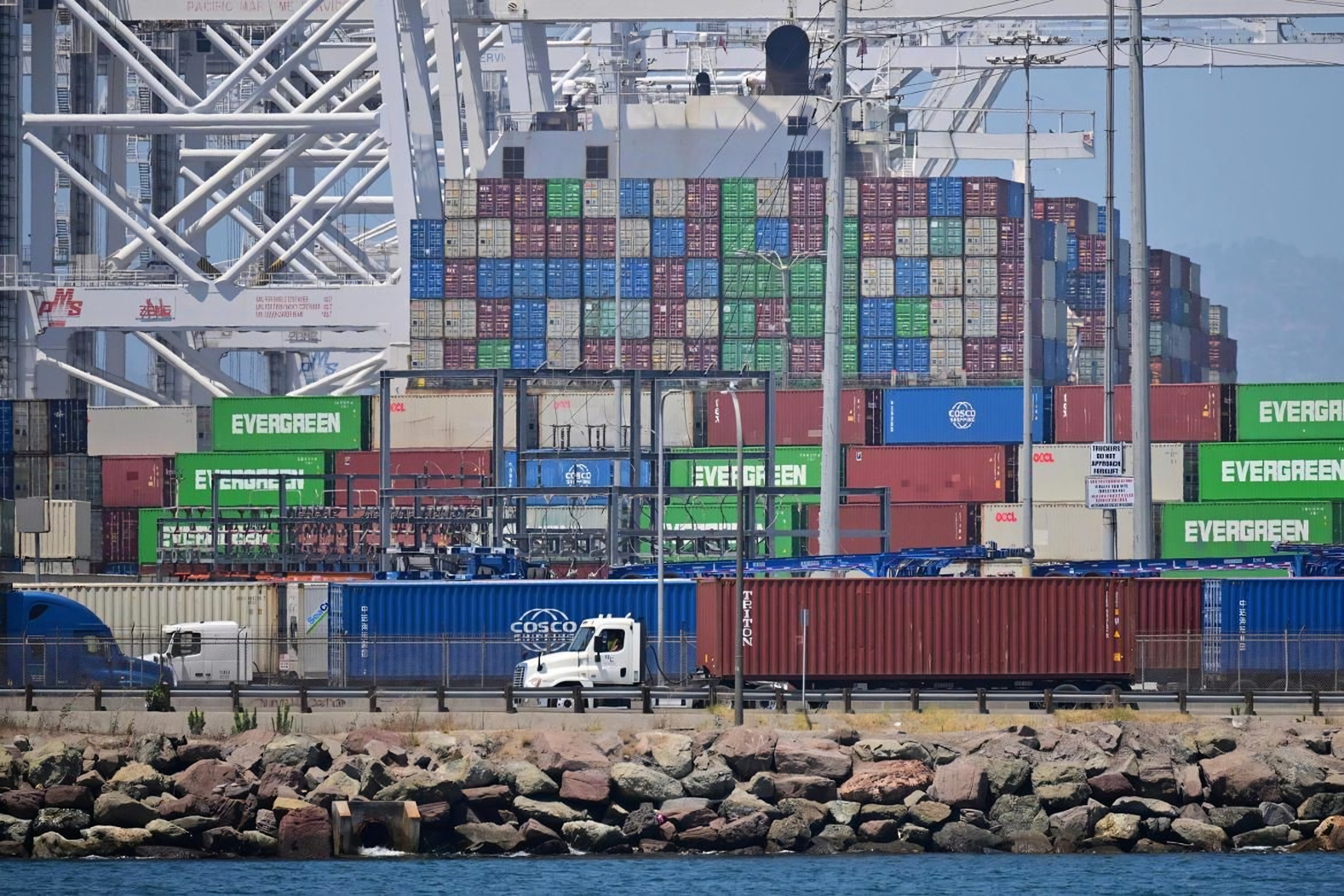
The Iran war has underscored two key economic lessons: the perils of dependence on fossil fuels and the inefficiencies of the Jones Act. This century-old law mandates that cargo ships transporting goods between U.S. ports must be American-built, owned, flagged and crewed. This regulation has proven to be a significant barrier to U.S. commerce. For instance, a ship arriving at a West Coast port with goods from Asia cannot immediately pick up American-made products to deliver them to Honolulu or any other U.S. city.
The Jones Act imposes a hefty financial burden on Hawaiian families, costing them $1,800 annually, according to one study. The impact extends to Alaskans and Puerto Ricans as well. The act's inefficiencies are not limited to these regions; all Americans ultimately bear the cost of the shipping industry's constraints. By dismantling the Jones Act, the U.S. could potentially streamline its commerce, leading to greater economic efficiency and reduced costs.
Written by urgent.news from The Korea Times's reporting — not their text. Machine-written — may contain errors; check the original before relying on it.
Also reported by 1 other outlet
- The Iran war should be the end of the Jones Act koreatimes.co.kr