The economics of running: When a free sport becomes big business
More than 500 running events are taking place in Indonesia and more than 200 cities in 2026, roughly five times the number recorded in 2022.
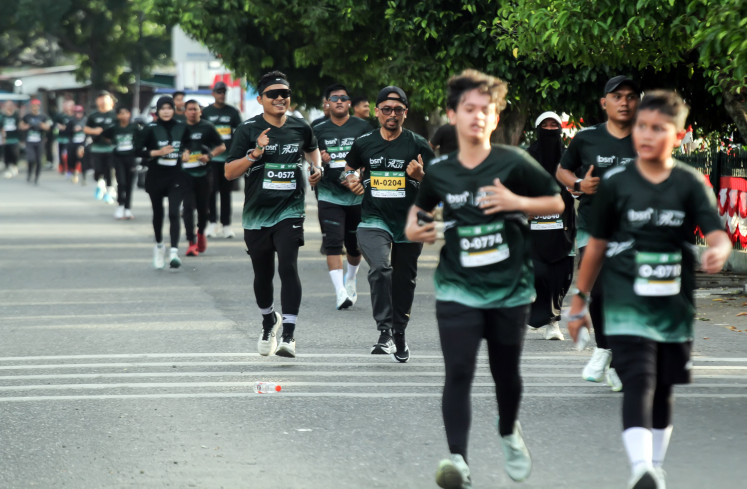
Running, once a simple and free sport, has evolved into a thriving consumer industry. In Indonesia, over 500 events are planned for 2026, nearly five times the number recorded just two years ago. The allure of running extends beyond the act itself, encompassing race registrations, shoes, apparel, health and wellness products, lodging, transportation, dining, and weekend trips organized around races.
The global running events market reached approximately $2.8 billion in 2025 and is projected to nearly double over the next decade. The market for running shoes alone was estimated at $19.5 billion to $26 billion last year. In 2027, over 1.3 million people entered the London Marathon, a record-breaking participation.
The economic impact of running extends far beyond the race itself. For instance, the 2026 Mandiri Jogja Marathon in Yogyakarta saw a 7.4 percent increase in weekly spending for the city and surrounding areas, a significant jump from the previous year. The surge in spending was not limited to the race event itself - transportation, restaurants, and hotels also experienced substantial increases.
Indonesia's sportswear market is valued at around Rp 38.5 trillion ($2.16 billion) in 2025 and is expected to grow to Rp 58.6 trillion by 2030, with running shoes alone accounting for 42 percent of sports footwear sales on the largest marketplace. Local brands are gaining traction, with one Indonesian running-shoe brand controlling 36 percent of sales among the top 10 best-selling running shoes.
Perhaps most importantly, running has transformed into a community-driven activity. A runner who joins one race is likely to participate in others, requiring new shoes, apparel, and travel. Running clubs provide opportunities for a variety of consumables, creating a repeatable consumption cycle. Therefore, running is not just a sport, but a lifestyle that stimulates economic growth.
Written by urgent.news from The Jakarta Post's reporting — not their text. Machine-written — may contain errors; check the original before relying on it.