THE CONVERSATION: How local parks and community gardens can help cities adapt to climate change
Climate change is affecting cities more and more. This creates major challenges, but it also gives fast-growing cities, especially in sub-Saharan Africa, the chance to adapt to global warming in new and better ways.
Climate change is posing increasing challenges for cities worldwide, particularly in sub-Saharan Africa. While physical infrastructure like roads, pipes, and flood barriers are crucial, social infrastructure—public spaces, relationships, and community networks—plays an equally important role in helping cities adapt to climate change.
Public areas such as parks, squares, and community gardens provide more than just relaxation; they lower temperatures during heat waves and reduce flooding. A team of town planners and architects studied three such spaces in Tshwane, South Africa's fourth-largest city, to understand how well-designed green spaces can improve urban resilience to climate change.
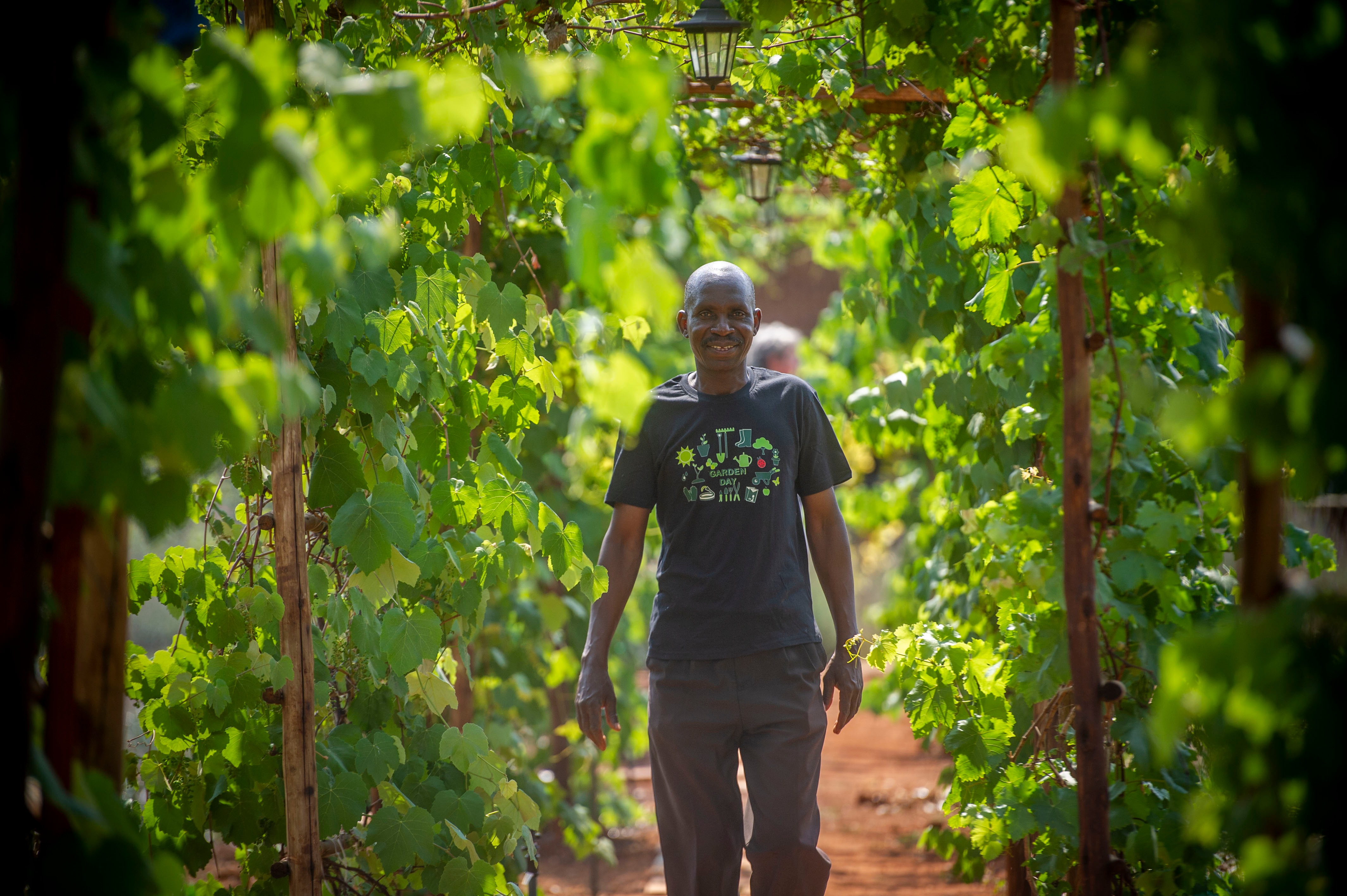
Moja Gabedi, a former dumpsite transformed into a food garden and therapeutic area, supports food security and aids in the social reintegration of vulnerable individuals. The park also provides cooling through ponds and helps surrounding areas with its vegetation. Muckleneuk Commons, a small community park along a commuter route, features a drinking fountain, gathering space, and indigenous garden sculpture.
Meanwhile, Burgers Park, established in 1874, has seen numerous changes but still serves as a refuge for many, including the local unhoused community.
The study revealed that involving marginalized groups and local communities in creating and maintaining green spaces fosters a stronger sense of belonging and shared responsibility. Moreover, public spaces designed in collaboration with the community can adapt over time to changing climate conditions and residents' needs. Ultimately, the key to climate-ready public spaces lies in their creation with local communities, considering their history, people, and needs.
By including local champions who can keep the spaces relevant and responsive to community needs, cities can unlock the potential of their communities to build stronger, more equitable communities.
Written by urgent.news from Daily Maverick's reporting — not their text. Machine-written — may contain errors; check the original before relying on it.