The Best Way to Sell a Concentrated Position
Imagine being the typical SpaceX employee over the last few months. Your shares IPO at $135 and within a few days they peak at $225/share (up 67%) before they begin to decline. As of this morning they sit at around $139, or about 3% above the IPO price. Given this, what percentage of your shares would you sell once your lock-up ends? This question isn't just relevant to SpaceX employees, but to…
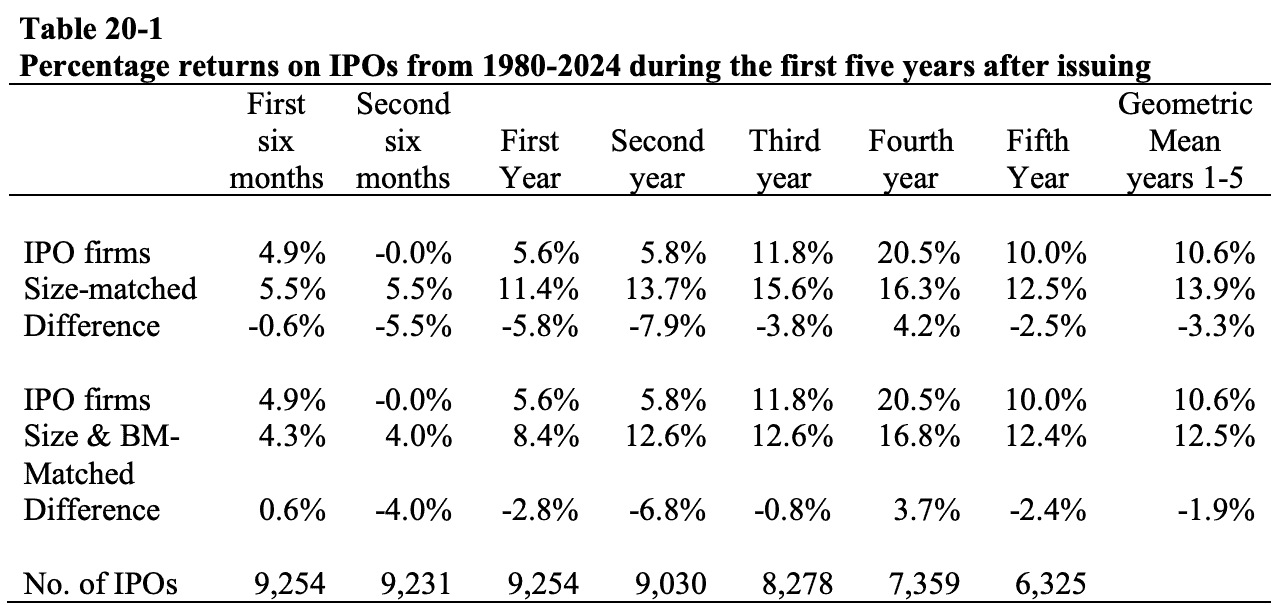
When employees at SpaceX saw their shares rise from $135 to a peak of $225, they were faced with the decision of when to sell shares after their lock-up period ended. Research shows that IPO shares tend to underperform the market in the first year after going public, with SpaceX's stock seeing a decline from its peak. Antti Petajisto found that individual stocks, on average, underperformed the broad market by 0.82% per year over the past century.
To exit a concentrated position, investors have several options. One strategy is to sell everything immediately, maximizing wealth in the long run. However, this may not be appealing due to tax implications and potential regret. A tax-optimal approach involves selling a portion now and spreading out the remaining sales over time to minimize taxes. Another option is to sell based on tax losses generated through direct indexing, which can offset gains in concentrated positions.
The "naive regret minimization" strategy is to sell half of the position to reduce potential emotional distress if the stock performs poorly. Pre-committing to sell at regular intervals can also help remove emotions from the decision-making process. Lastly, selling up to a predetermined wealth level can lock in a certain lifestyle while allowing the rest of the position to potentially grow.
Written by urgent.news from Of Dollars and Data's reporting — not their text. Machine-written — may contain errors; check the original before relying on it.