Syria and Russia save face with deal on military bases
A deal to scale back Russia's decades-long military presence in Syria saves face for both countries, as Damascus seeks to build on its new alliance with the US, Syrian sources said on Monday. Having come to the aid of Bashar Al Assad during Syria's civil war, Russia was the main loser – along with Iran – when the former regime was overthrown by militant groups led by current Syrian President…
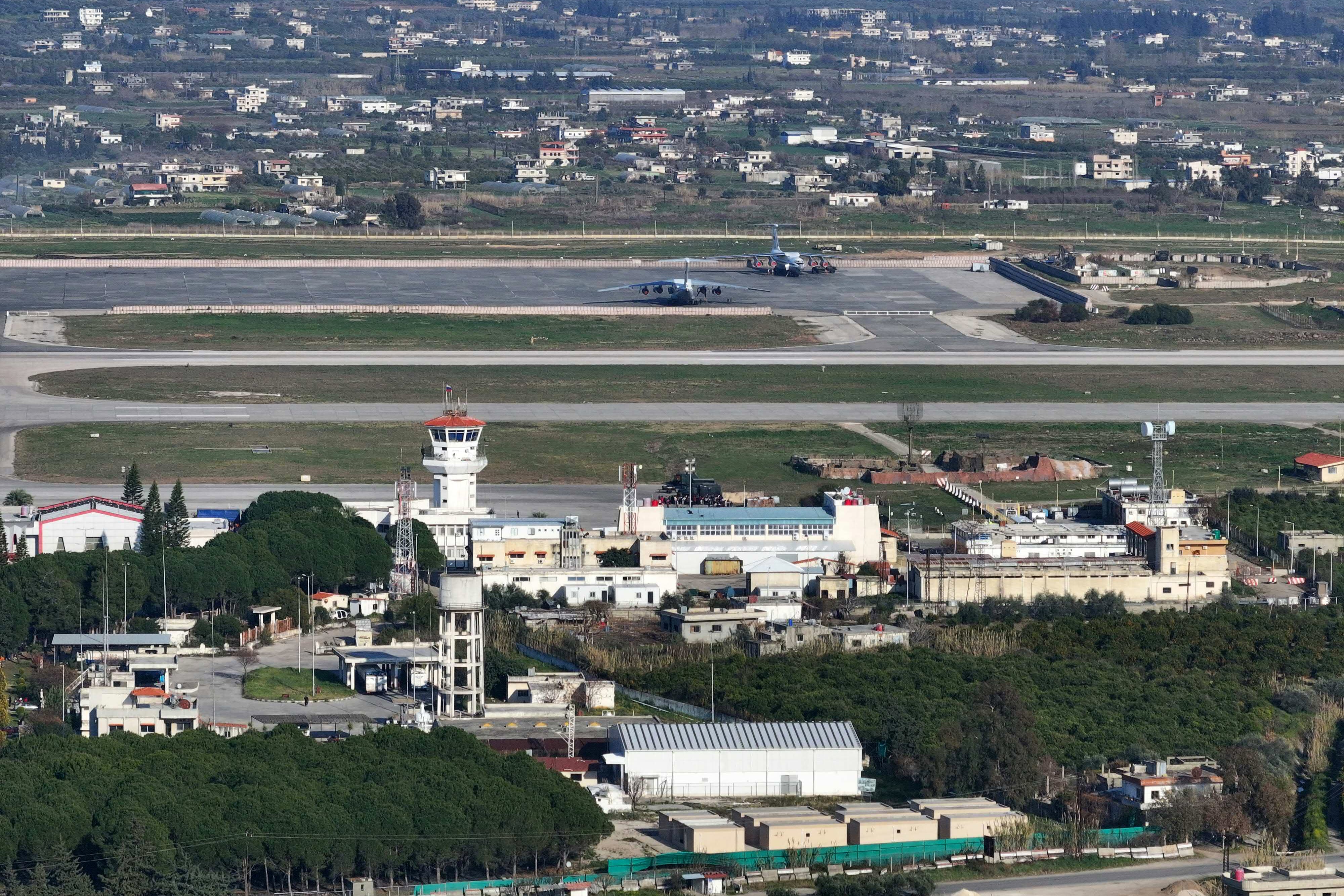
Russia and Syria have reached a deal to scale back Russia's decades-long military presence in Syria, a move designed to save face for both nations, according to Syrian sources. Damascus, seeking to strengthen its alliance with the United States, aims to build on this new partnership following the overthrow of Bashar Al Assad's regime by militant groups. Russia and Iran were the primary casualties, with Russia withdrawing most of its troops and hardware but retaining limited facilities.
The Latakia naval base, a rare warm-water asset for Russia, remains under Russian control, along with 1,000 soldiers. However, the new bilateral agreement stipulates that facilities of "military nature" will become joint training centers within three months. Damascus will administer coastal infrastructure previously under Russian control, including Latakia Airport and Tartus Commercial Pier.
Waiel Olwan, head of research at the Jusoor institute in Damascus, anticipates the deal will preserve Russia's logistical and commercial presence while reducing its military numbers in Syria. The deal is seen as part of an "American clean-up" in the region, as pressures from the war in Ukraine and Syria's shift towards the Western camp compel compromises.
The Syrian official emphasized that the deal is part of a larger strategic reconfiguration of the region, with Russia's presence in Syria no longer fitting the new geopolitical map.
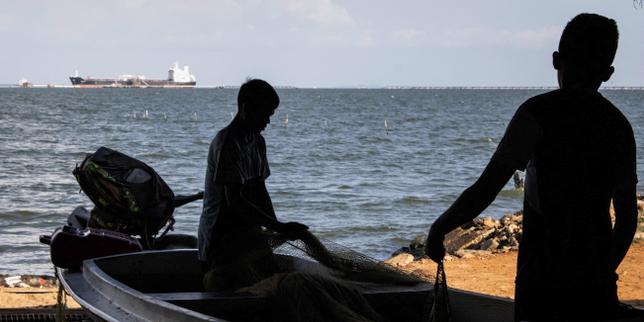
The Iran conflict and the ensuing struggle for control of the Strait of Hormuz have driven countries to explore alternative routes for oil and goods. The United States facilitated a megaproject to revitalize an oil pipeline from Iraq to Syria's coast. Proposals from Turkey, Saudi Arabia, and the UAE could redirect traffic over land to Syria's Latakia and Tartus ports.
Iran's cutoff of access to the strait during the war and the US blockade of the area have led to agreements to reopen the channel, which have stalled in recent months.
Syrian authorities did not disclose the fate of the 1,000 Russian troops on the coast or any restrictions on Russian naval movement to and from Tartus. However, administration of Latakia Airport will transfer to Syria's General Authority of Civil Aviation, according to official media. This transfer is expected to enhance Syria's image in Washington and ease US sanctions, which have been under discussion in Congress.
The removal of the state sponsor of terrorism designation would lift all remaining sanctions imposed since the 1970s.
Although Moscow retained access to Tartus, its primary interest in Syria remains intact. The Russian presence at Hmeimim airbase was significantly reduced in December, with many warplanes belonging to the Assad-era air force. The transfer of Latakia Airport to Syrian control is significant, as any Russian aerial activity would now require Syrian authorization. This move also carries symbolic importance, representing Syria's sovereignty.
Written by urgent.news from The National Business's reporting — not their text. Machine-written — may contain errors; check the original before relying on it.
Also reported by 1 other outlet
- Syria and Russia save face with deal on military bases thenationalnews.com