Symbolic Concessions, No Implementation: Myanmar’s Promises of Rohingya Repatriation
Myanmar’s latest pledge to repatriate 300,000 Rohingya refugees cannot be viewed as a credible commitment. It’s yet another iteration of a well-established diplomatic pattern.
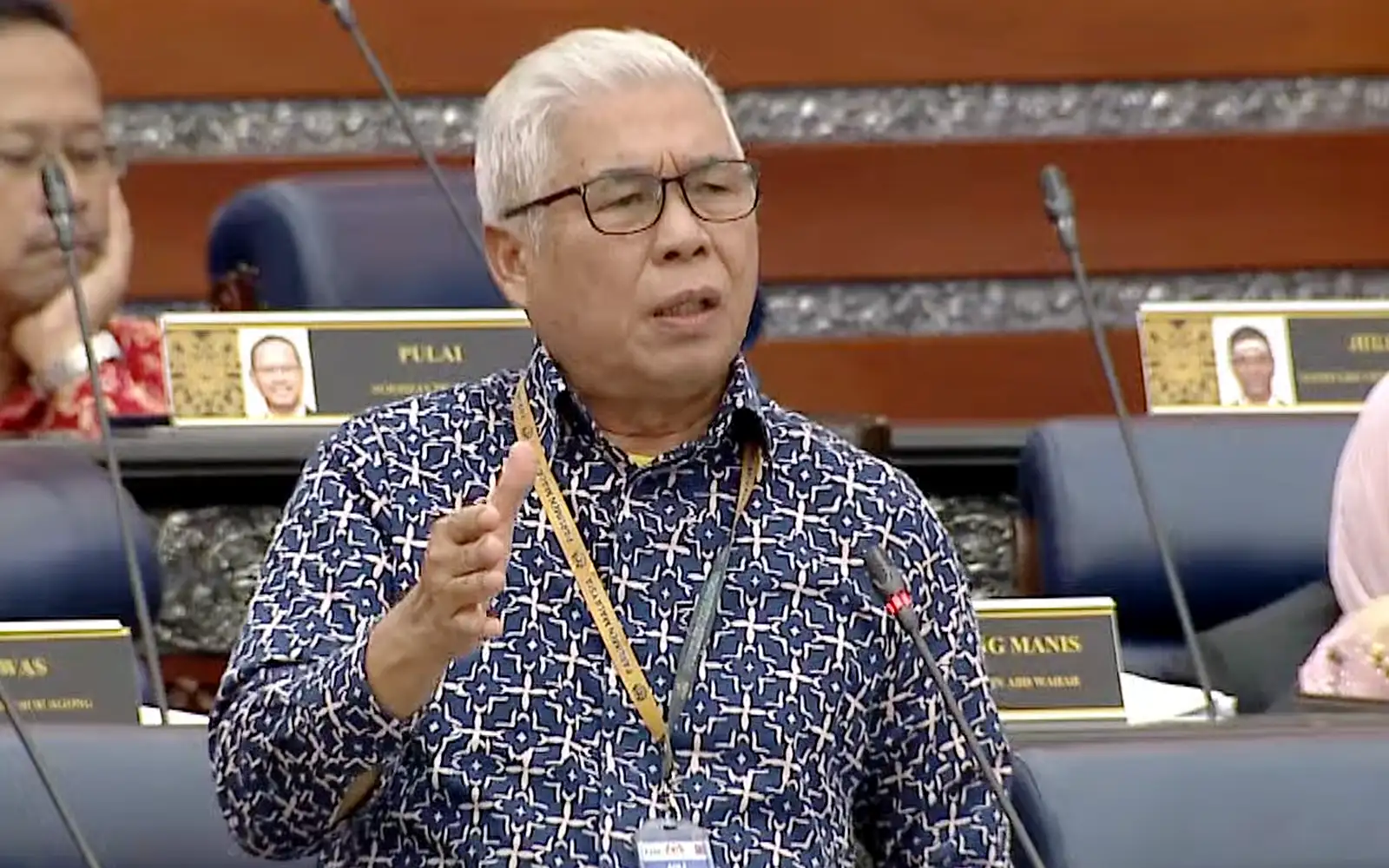
On July 29, Malaysian Prime Minister Anwar Ibrahim announced that Myanmar had agreed to repatriate 300,000 Rohingya refugees from Bangladesh and 5,000 from Malaysia. However, within 24 hours, Bangladeshi State Minister for Foreign Affairs Shama Obaed denied that Myanmar had presented such a proposal to Bangladesh, explaining that the two nations had been in contact but not discussed the repatriation of 300,000 refugees.
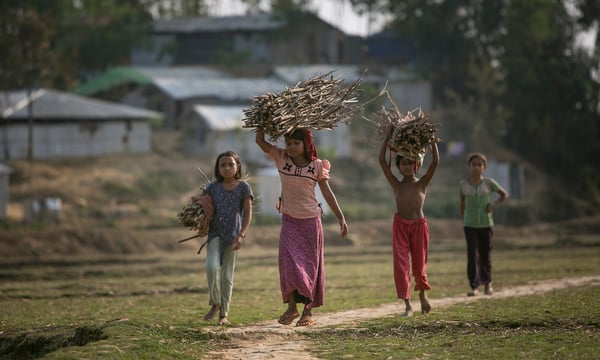
This incident is a continuation of Myanmar's long-standing approach to the Rohingya crisis. In 2017-2018, the Myanmar government conducted "cleansing operations" in northern Rakhine State, resulting in the displacement of over 750,000 Rohingyas to Bangladesh. By late 1970s or the 1990s, another 300,000 Rohingya refugees had already been residing in Bangladesh.
Myanmar's military, the Tatmadaw, perpetrated numerous war crimes against the Rohingya, including massacres, sexual assaults, arson, and plunder, which the United Nations Human Rights Council labeled as "ethnic cleansing" and the United States described as "genocide." Currently, Bangladesh houses approximately 1.5 million Rohingya refugees, making it one of the world's most significant refugee hosts.
Due to Bangladesh's own socioeconomic challenges, the integration of Rohingya refugees locally is impractical. No third country is willing to resettle them en masse. Consequently, the only viable solution for the protracted refugee crisis is the safe, voluntary, dignified, and sustainable repatriation of the refugees to Myanmar.
From the beginning, Bangladesh has advocated for the return of the refugees. However, Myanmar has consistently dodged responsibility for the Rohingya. For instance, in November 2017, Bangladesh and Myanmar signed a memorandum of understanding (MoU) on the repatriation of Rohingya refugees in Naypyidaw, with Myanmar committing to initiate the process within two months and repatriating 300 refugees daily.
However, not a single Rohingya refugee was repatriated under the MoU. Similarly, Bangladesh and the UNHCR concluded an MoU in April 2018, and the UNHCR and UNDP signed another MoU with Myanmar in June 2018. These agreements led to Myanmar's acceptance of responsibility for repatriating the Rohingya and the initiation of various activities, but no refugees were repatriated during this period, as the refugees were hesitant without assurances of their rights' protection.
In March 2023, Bangladesh and Myanmar, mediated by China, announced a "pilot program" repatriating small groups of Rohingya refugees to Myanmar. Myanmar displayed its commitment by sending officials to Rohingya camps and identifying 1,140 Rohingyas for repatriation. However, the process was soon halted, and the repatriation did not occur.
Additionally, the outbreak of war in Rakhine State between the Tatmadaw and the Arakan Army resulted in Myanmar being unable to implement its pledge. In April 2025, after negotiations between Bangladesh and Myanmar, the latter expressed willingness to repatriate 180,000 Rohingya refugees verified by Myanmar between 2018 and 2020.
However, by then, Myanmar had lost control of about 80 percent of Rakhine State, including the Maungdaw District where most of the refugees resided. Thus, Myanmar was in no position to fulfill its promise. In fact, Myanmar might have made this symbolic concession to decrease Bangladesh's interest in the U.N.-proposed "humanitarian channel" through its territory.
As soon as Bangladesh, facing substantial internal and external pressures, abandoned the proposal, Myanmar showed no further interest in repatriating the 180,000 refugees. Throughout its history since 2017, Myanmar has consistently shown willingness to make concessions and repatriate Rohingya refugees in response to political or strategic pressure from Bangladesh, the international community, or local actors.
However, it has consistently reneged on its commitments, demonstrating a lack of genuine intent to repatriate the Rohingya.
Written by urgent.news from The Diplomat's reporting — not their text. Machine-written — may contain errors; check the original before relying on it.