Study finds common plastics can biodegrade within two years
KUALA LUMPUR: Common plastics that can persist in the environment for hundreds of years can be fully broken down by naturally occurring microbes within two years, according to a study by Malaysia’s Standards and Industrial Research Institute (Sirim), Imperial College London and biotechnology firm Polymateria.
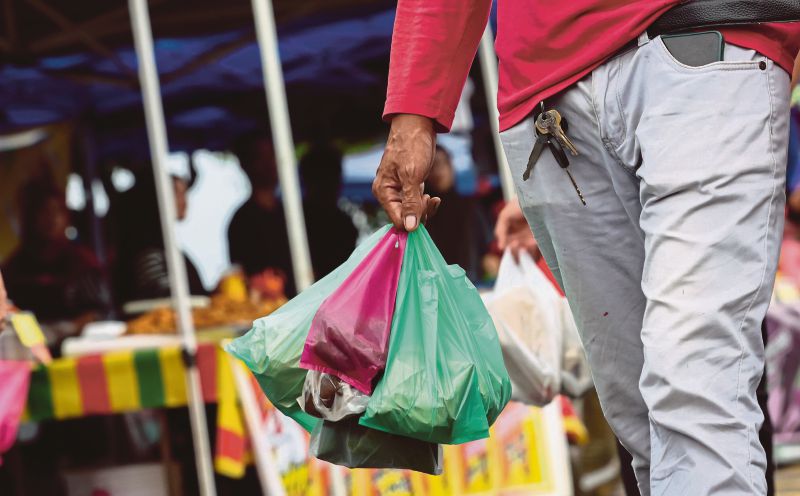
A Malaysian study reveals that common plastics, which can last hundreds of years in the environment, can be fully broken down by naturally occurring microbes within two years. Conducted by Malaysia's Standards and Industrial Research Institute (Sirim), Imperial College London, and biotechnology firm Polymateria, the research marks the first discovery of a process that transforms plastic incorporating Polymateria's Biotransformation technology into a bioavailable wax, without producing microplastics.
This breakthrough validates Malaysia's national Ecolabel, SIRIM ECO 098, established in 2023 based on UK standard BSI PAS 9017. Both polyethylene and polypropylene, the two most widely used plastic packaging materials, can fully biodegrade in nature with the application of this technology. The study's associate professor, Dr. Jose Jimenez Zarco, emphasized the significance of this discovery in allowing plastic materials previously considered nearly indestructible to safely return to nature.
Sirim senior researcher Muhammad Zuhayr Dzul Haimi highlighted the importance of sustainable material solutions in Malaysia's transition to a circular plastics economy. Dr. Florence Huynh, Polymateria's vice president of innovations and the study's lead author, noted that the research provides policymakers and industry with confidence in scalable solutions for the global 32% of plastic packaging waste that leaks into the environment yearly.
The Biotransformation technology has already been adopted by over 300 brands across Asia and various Premier League football grounds in the UK, and is being implemented in emerging markets in Africa. The findings offer assurance to brands, industry, and policymakers in Malaysia and across Southeast Asia about using biodegradable plastics as part of a comprehensive approach that also involves reducing plastic use, promoting reuse, and improving recycling.
Written by urgent.news from New Straits Times's reporting — not their text. Machine-written — may contain errors; check the original before relying on it.