Strait of Hormuz traffic falls to seven vessels as US-Iran deal hopes fade
Shipping traffic through the Strait of Hormuz fell to seven commodity vessels on Monday, below the 10-day average of about 12, as hopes of a US-Iran peace deal continued to fade. Six vessels entered the strait: a Handysize carrying steel, a Panamax carrying grains and oilseeds, a Handy/MR1 tanker carrying diesel-type oil products, an MR tanker, a VLGC (very large gas carrier) and a small tanker,…
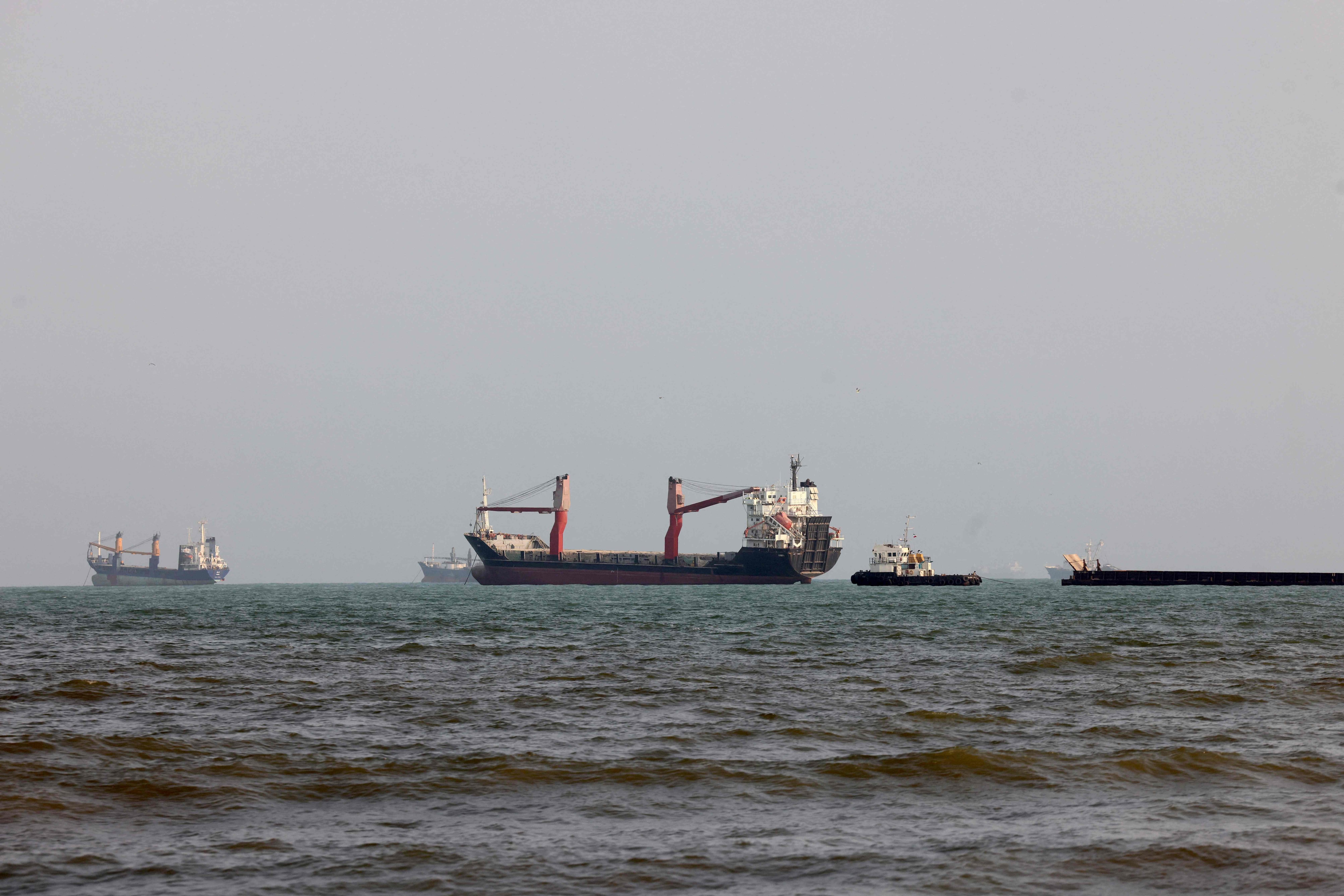
Shipping traffic through the Strait of Hormuz dwindled to seven commodity vessels on Monday, a sharp decline from the 10-day average of around 12, as optimism for a US-Iran peace deal dwindles. Six ships entered the strait, including a Handysize for steel, a Panamax vessel carrying grains and oilseeds, a Handy/MR1 tanker for diesel oil, an MR tanker, a VLGC, and a small tanker both in ballast.
One Handysize carrying coal also passed through. This is a significant drop from the approximately 98 commodity vessels that typically transited the strait in the weeks leading up to the war, which accounted for about a fifth of the world's oil and liquefied natural gas. The war's most severe disruption saw traffic drop to just two crossings on May 8 and 9, before recovering through June as diplomatic efforts renewed hopes of a deal.
Since mid-July, however, that recovery has reversed following the collapse of a June memorandum of understanding between the US and Iran. On Monday, 25 commodity vessels passed through the Bab Al Mandeb strait in the Red Sea, consistent with the 10-day average of nearly 24, according to Kpler data. While traffic has remained stable in recent weeks, it is still below the June and early July daily average of about 35 crossings.
A Yemeni Houthis' maritime blockade of Saudi ships since late July has contributed to the decline in traffic, with crossings dropping to 17 vessels on July 26, the lowest since the war began on February 28. Ship crossings have since stabilized around the low-to-mid 20s. The reduced activity at both chokepoints follows a diplomatic impasse between the US and Iran.
On Monday, US President Donald Trump demanded that Iran compensate for damages caused by Tehran-backed forces over the past 50 years, while Iran sought compensation for war-related damages and an end to sanctions in ongoing negotiations mirroring its previous demands from the earlier memorandum of understanding. Oil prices surged on Tuesday due to the ongoing deadlock, with Brent crude increasing 2.3% to $89.70 a barrel and West Texas Intermediate rising 2.5% to $84.18 a barrel.
Additionally, charter rates for supertankers on the Middle East-to-China route have climbed to nearly $500,000 per day, more than double prewar levels, as reported by Bloomberg. The shipping risks have further been exacerbated by an oil slick off Oman's Hallaniyat Islands in Dhofar governorate, covering around 389 square kilometers and nearing the shore.
The spill originated from the sanctioned tanker Caroline Bezengi, which reported difficulties off Yemen on June 8, possibly due to an onboard blast. No party has claimed responsibility, and the ship last transmitted a public AIS signal on June 11.
Written by urgent.news from The National Business's reporting — not their text. Machine-written — may contain errors; check the original before relying on it.