Real-time tax compliance puts agentic AI accuracy to the test
AI-powered tax compliance has to meet a standard that many artificial intelligence applications don’t: The answers must be exactly right. While large language models can generate unpredictable results, tax calculations require accuracy, speed and reliability across thousands of jurisdictions. That tension has shaped the way Avalara Inc. applies agentic AI to its transactional tax and compliance…
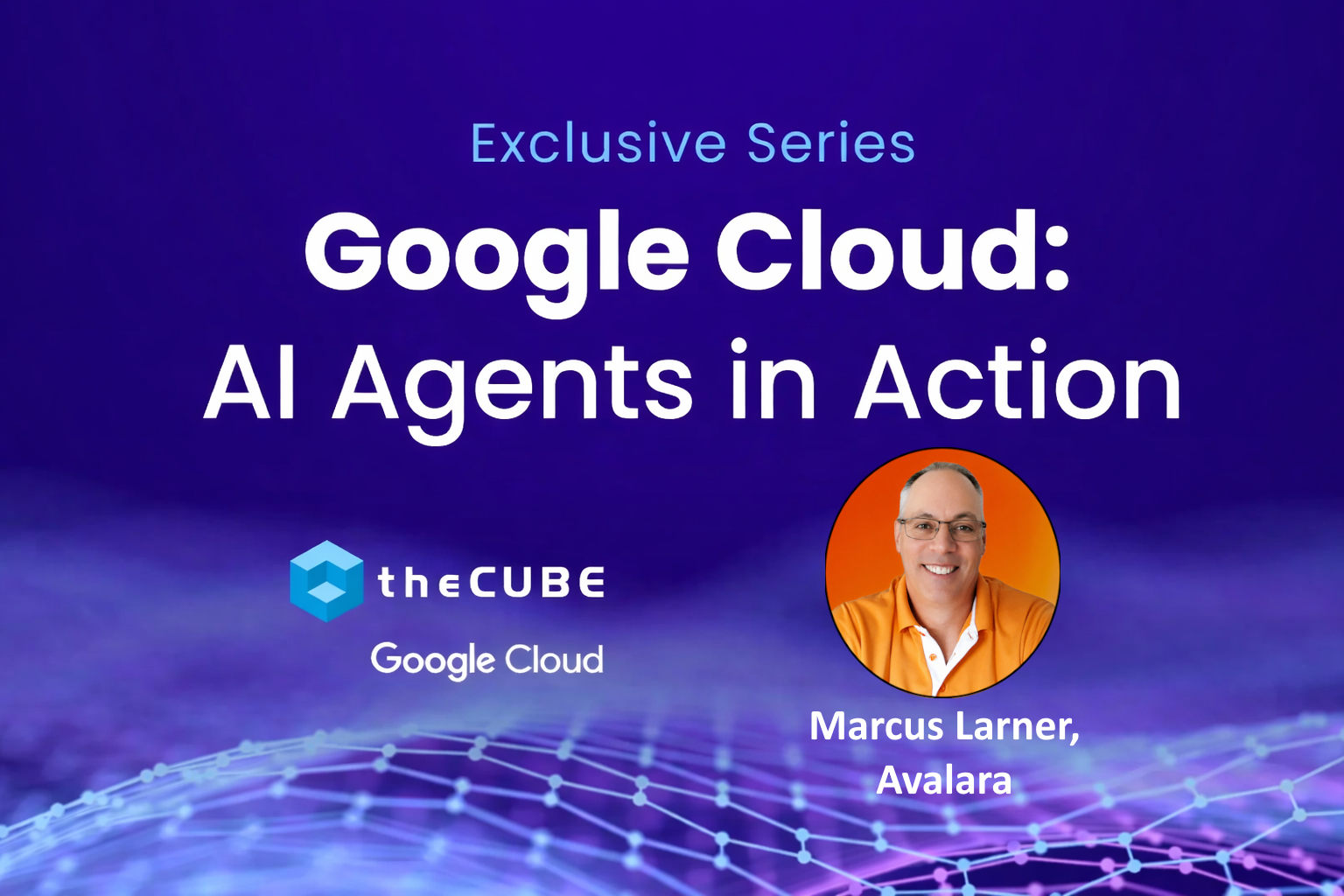
Avalara Inc. is putting agentic AI to the test with its real-time tax compliance system, according to a report by theCUBE. The company's AI-powered tax compliance platform combines agents that interpret requests and orchestrate workflows with a deterministic tax engine designed for precise calculations. Marcus Larner, senior vice president of engineering at Avalara, emphasized that tax compliance requires "penny-perfect" accuracy and trust.
The company uses Google Cloud technologies to extend its agentic tax capabilities, with its Avi agent providing a natural-language entry point into compliance products. Avalara's approach balances autonomy with accuracy, selectively applying AI while maintaining high performance and trust. The company's tax engine draws from over 87,000 regulatory sources across more than 190 countries, and its active-active strategy distributes its AvaTax product across regions and cloud providers for resiliency.
This architecture allows Avalara to work alongside Shopify's workloads in Google Cloud data centers, ensuring high performance and resiliency for customers. As governments move towards real-time tax integrations, Avalara's AI-powered tax compliance system is becoming increasingly important. Larner explained that finance teams can now use tax obligations for forecasting, product decisions, and broader business planning, making finance a strategic player.
Google Cloud supports Avalara's AI-powered tax compliance strategy through tools like the Agent Development Kit and the Agent2Agent protocol, ensuring security and trust throughout the expanding agent stack.
Written by urgent.news from SiliconANGLE's reporting — not their text. Machine-written — may contain errors; check the original before relying on it.