Prince Mohammed bin Salman Royal Reserve plans historic return of endangered Asiatic lion
TABUK — Coinciding with World Lion Day on August 10, the Prince Mohammed bin Salman Royal Reserve reaffirmed its commitment to reintroducing the endangered Asiatic lion (Panthera leo leo), one of 23 species historically confirmed to have inhabited the reserve. Across its 24,500-square-kilometer area, the reserve is restoring ecosystems and building a sustainable food web capable of supporting the…
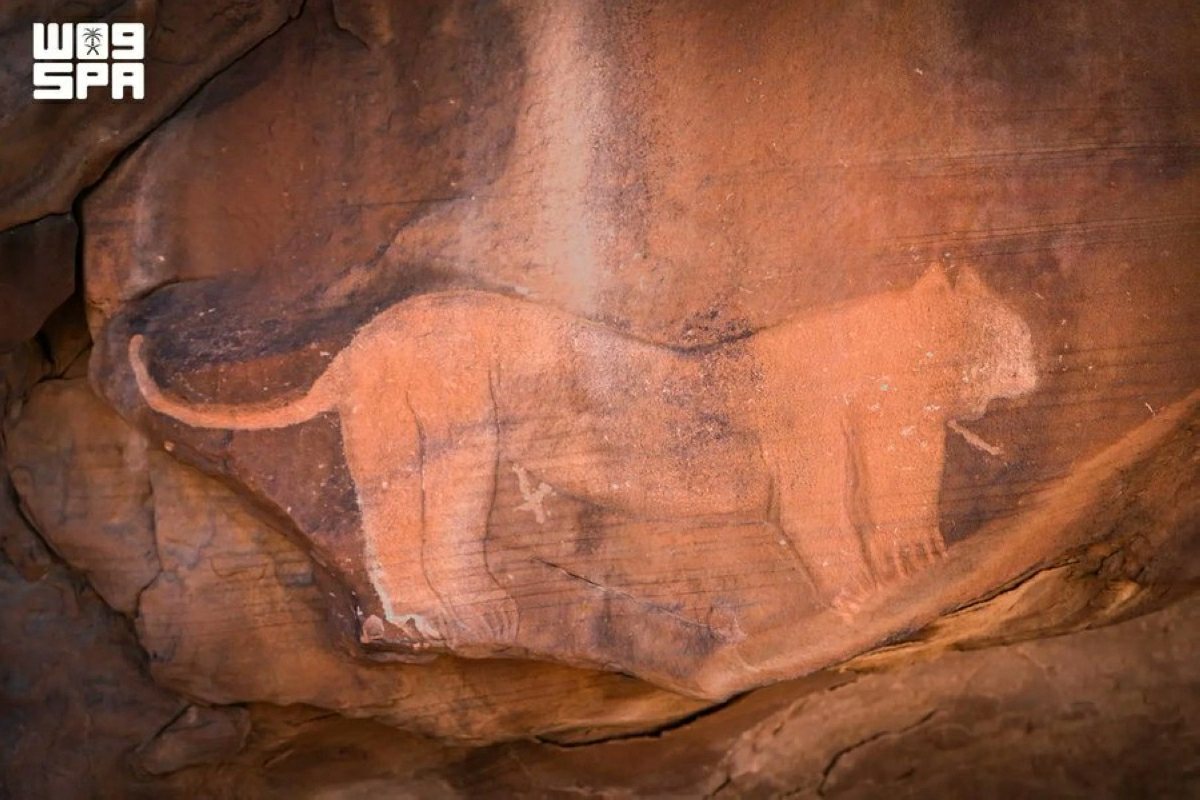
On August 10, World Lion Day, the Prince Mohammed bin Salman Royal Reserve emphasized its dedication to reintroducing the endangered Asiatic lion, one of 23 species historically found within its 24,500-square-kilometer expanse. The reserve is actively restoring ecosystems and establishing a sustainable food web that can accommodate the eventual return of the apex predator to its native habitat.
During the "Green Arabia" period around 12,000 years ago, a fertile habitat corridor connected Africa to the Arabian Peninsula, fostering large populations of herbivores and predators like lions. However, by the late 19th century, overhunting and modern firearms led to the disappearance of the last lion populations from the Arabian Peninsula.
Today, the lion is classified as endangered by the International Union for Conservation of Nature, with an estimated 1,100–1,300 left in the wild globally. Reserve CEO Andrew Zaloumis noted that the lion once formed part of the ancient landscape of the Prince Mohammed bin Salman Royal Reserve. He stressed that restoring such an apex predator is a long-term endeavor, not a single event.
Today, the reserve aims to build the ecological foundations necessary for the lion's return to its historic habitat in the future. Historical evidence of lions can be found at over a dozen rock art sites across the reserve, showcasing their presence in the landscape. Currently, approximately 891 lions reside in the Greater Gir region of western India, with smaller, fragmented populations in West and Central Africa.
The reserve's Arabian Wildlife Restoration Initiative seeks to reintroduce all 23 species that once called the area home. So far, 14 species have been successfully reintroduced, with six successfully breeding within the reserve. Species like the Arabian hare, red-necked ostrich, and Persian wild ass contribute to seed dispersal, regulate grazing patterns, and aid in nutrient cycling and soil aeration.
These ecological functions are crucial for rebuilding a food web capable of supporting apex predators. The reserve emphasizes that the process cannot be hurried, as each species reintroduction and ecological function restoration is part of a long-term effort to rebuild a healthy and sustainable ecosystem. Additionally, the restoration aims to mitigate land degradation, desertification, and enhance resilience to the local impacts of climate change.
Written by urgent.news from Saudi Gazette's reporting — not their text. Machine-written — may contain errors; check the original before relying on it.