Operation Safed Sagar: How IAF took the fight to Pakistan at 18,000 feet in Kargil
The Indian Air Force launched Operation Safed Sagar against Pakistani intruders. Pilots faced unprecedented challenges fighting at extreme altitudes. Early setbacks led to tactical reassessments and technological adaptations. Mirage-2000 aircraft with laser-guided bombs proved highly effective. These air attacks significantly aided ground troops in recapturing key peaks.
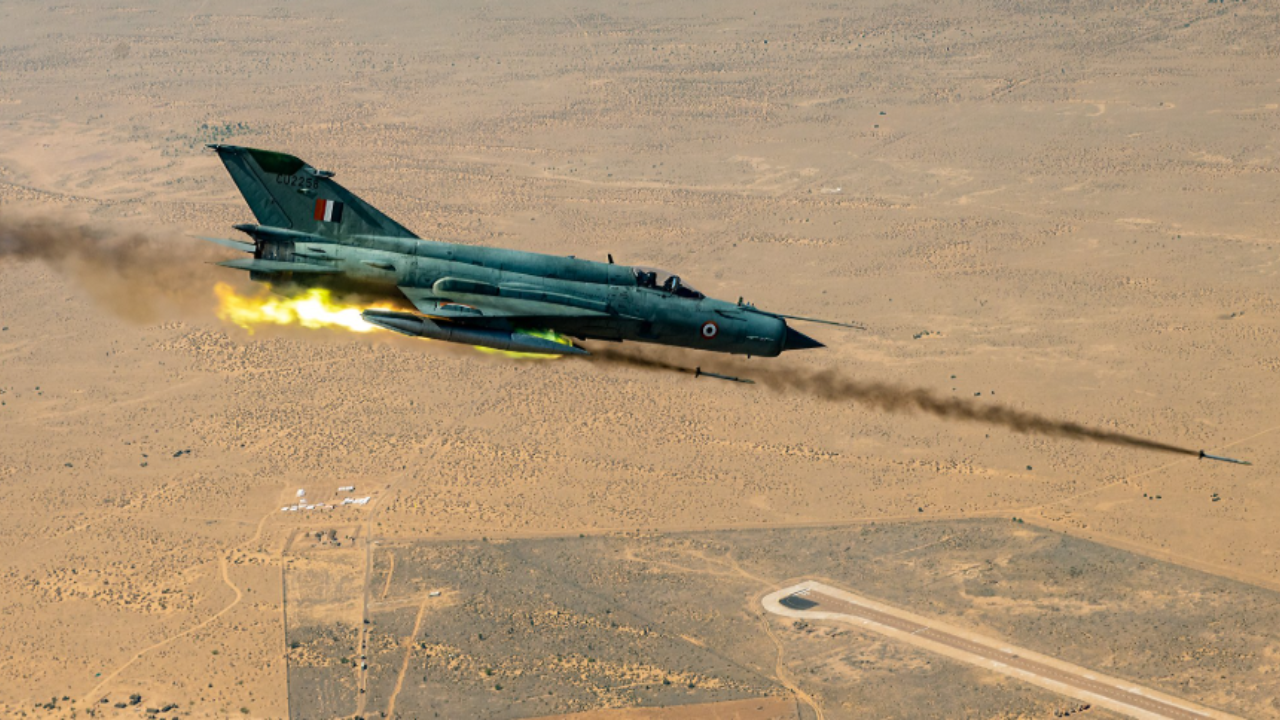
In 1999, the Indian public turned their focus from the cricket World Cup to the remote Kargil region, where Pakistani forces had infiltrated. The situation escalated quickly, with the first patrol being captured and the second suffering heavy losses. The Cabinet Committee on Security authorized the use of air power, prompting the Indian Air Force (IAF) to undertake Operation Safed Sagar, a daring high-altitude campaign.
Leading the operation were Air Commodore Anil Kumar Sinha and Group Captain Arvindra Oak, who trained pilots to execute precision strikes against fortified targets. The limited altitude and challenging terrain presented significant technical difficulties, as engines struggled to maintain thrust and bomb sights were less accurate. Despite these challenges, the IAF adapted, utilizing GPS and hand-held cameras for reconnaissance and bombing runs.
However, the campaign faced setbacks when Flight Lieutenant Nachiketa was captured and Squadron Leader Ajay Ahuja was killed. The persistent threat of shoulder-fired missiles led to the development of new tactics and the incorporation of advanced technologies like GPS and Litening pods. On June 17, a Mirage-2000 strike dealt a significant blow to a major Pakistani logistics base, marking a turning point in the operation.
The high-altitude air campaign ultimately proved decisive in driving the Pakistani forces out of Kargil.
Written by urgent.news from Times of India's reporting — not their text. Machine-written — may contain errors; check the original before relying on it.