North Korea launches a suspected ballistic missile, Japan says
North Korea fired a possible ballistic missile towards the sea on Wednesday, Japan’s Defence Ministry said, the second such weapons launch in less than a week. The Defence Ministry said the suspected weapon has landed in the water. Yonhap news agency, citing South Korea’s military, reported that North Korea fired an unidentified projectile off North Korea’s east coast. The missile appeared to…
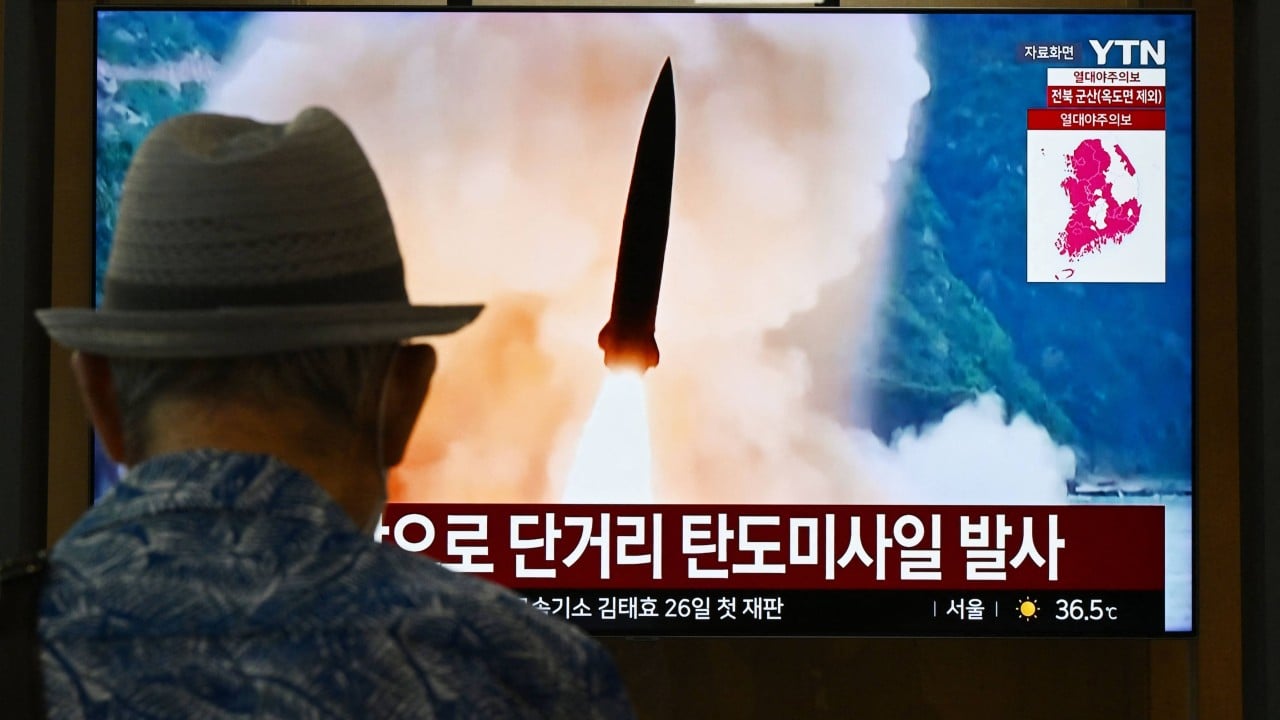
On Wednesday, North Korea launched a suspected ballistic missile into the sea, according to Japan's Defence Ministry, marking the second such weapon launch in under a week. The missile, from North Korea's east coast, was likely fired from the Wonsan area around 6am local time, according to South Korea's Joint Chiefs of Staff. Initial reports suggest the missile landed outside Japan's exclusive economic zone in the sea.
South Korea's presidential office convened a meeting to demand an end to provocations, local media reported. This missile launch follows recent joint military drills between South Korea and the United States, planned to take place from August 17 to 27, aimed at countering North Korea's developing nuclear and weapons capabilities.
North Korea frequently denounces these drills as a provocation and has shown a history of responding to major South Korean-US military exercises with provocative weapons tests and harsh rhetoric. In the past, North Korea has reacted to such drills with missile launches and strong language. Last week, joint South Korean-US- Japanese monitoring detected a short-range ballistic missile launch from North Korea, marking the first ballistic weapons test by the North since late June.
While North Korea did not officially confirm this report, they typically release details of missile tests a day after the event. North Korean state media criticized Japan's latest defense white paper last Tuesday, accusing Tokyo of reviving militarism by portraying Pyongyang as a security threat to justify an arms build-up. This year, North Korea has conducted a series of tests, including short-range ballistic missiles, artillery rockets, and other tactical weapons.
Written by urgent.news from South China Morning Post's reporting — not their text. Machine-written — may contain errors; check the original before relying on it.