Naturwunder in Australien: Korallen am Great Barrier Reef erholen sich nach Abkühlung
Nach Jahren schwerer Bleichen gibt es am Great Barrier Reef erste Anzeichen von Erholung. Ein später Monsun sorgte für dringend benötigte Abkühlung. Aber das Naturwunder bleibt unter Druck.
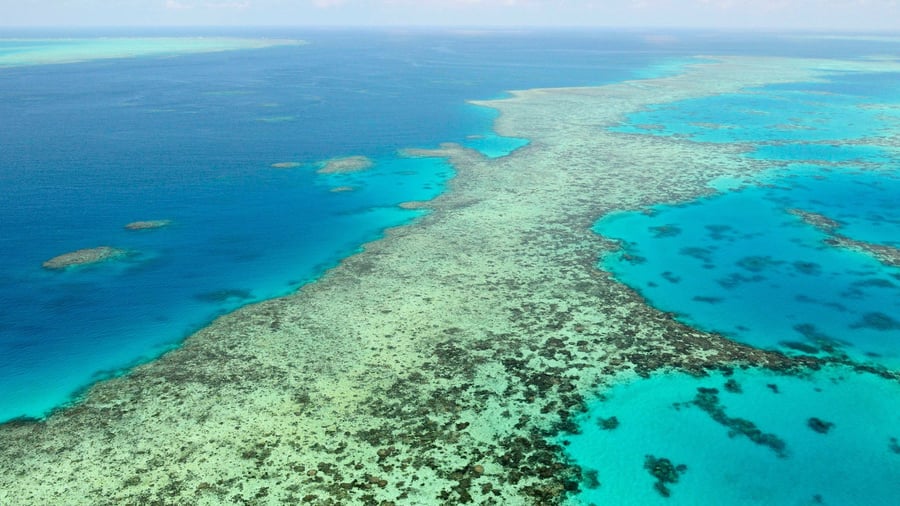
A late summer monsoon has helped protect parts of the world's most famous coral reef system, the Great Barrier Reef off Australia's east coast, from further heat during the summer months. Evidence of fresh coral bleaching appeared in the northern and central regions of the reef, but clouds and rain in the early months of the year brought urgently needed cooling, according to a recent expert study.
Winds, waves, and mixing also blended hot surface water with cooler water from deeper layers. The state-run Marine Science Institute (AIMS) report, which has been monitoring the reef for 40 years, describes the findings as "encouraging signs of recovery." The coverage of living coral polyps in the north and center regions increased slightly between August 2025 and June 2026, from 30 to 35.1 percent and from 28.6 to 31.6 percent, respectively.
In the south, coverage decreased slightly from 26.9 to 26.4 percent. The AIMS report analyzed 121 coral reefs in total. Coral reefs are colonies of tiny animals that build massive limestone structures. Since 2016, there have been six mass bleaching events on the Great Barrier Reef. This sixth mass bleaching was smaller and less severe than the one in 2024.
At the beginning of 2026, regional bleaching occurred in the north and center. The effects of bleaching depend on the intensity and duration of exposure to marine heat. Bleached corals are extremely stressed but often not dead. If the cause of their stress is removed and it cools, they can recover. However, the reef remains under pressure: heat-sensitive Acropora corals may recover quickly, but this recovery could be wiped out within a year if a severe bleaching event occurs, warned AIMS director Mike Emslie.
The world's largest reef has been on the UNESCO World Heritage List since 1981. This natural wonder, visible even from space, is increasingly threatened by ocean warming. Other factors include poor water quality, coral-eating crown-of-thorns starfish, as well as storms and cyclones.
Written by urgent.news from Handelsblatt's reporting — not their text. Machine-written — may contain errors; check the original before relying on it.