NASA will chase the Aug. 12 total solar eclipse with balloons and a high-altitude jet
NASA plans to capitalize on the upcoming total solar eclipse on August 12 using high-altitude balloons and a specialized jet. The WB-57 research jet will race the moon's shadow across the globe, extending the agency's ability to gather data during the celestial event. This will enable scientists to study the sun's outer atmosphere, or corona, during the day, providing insights into solar winds and materials within the corona.
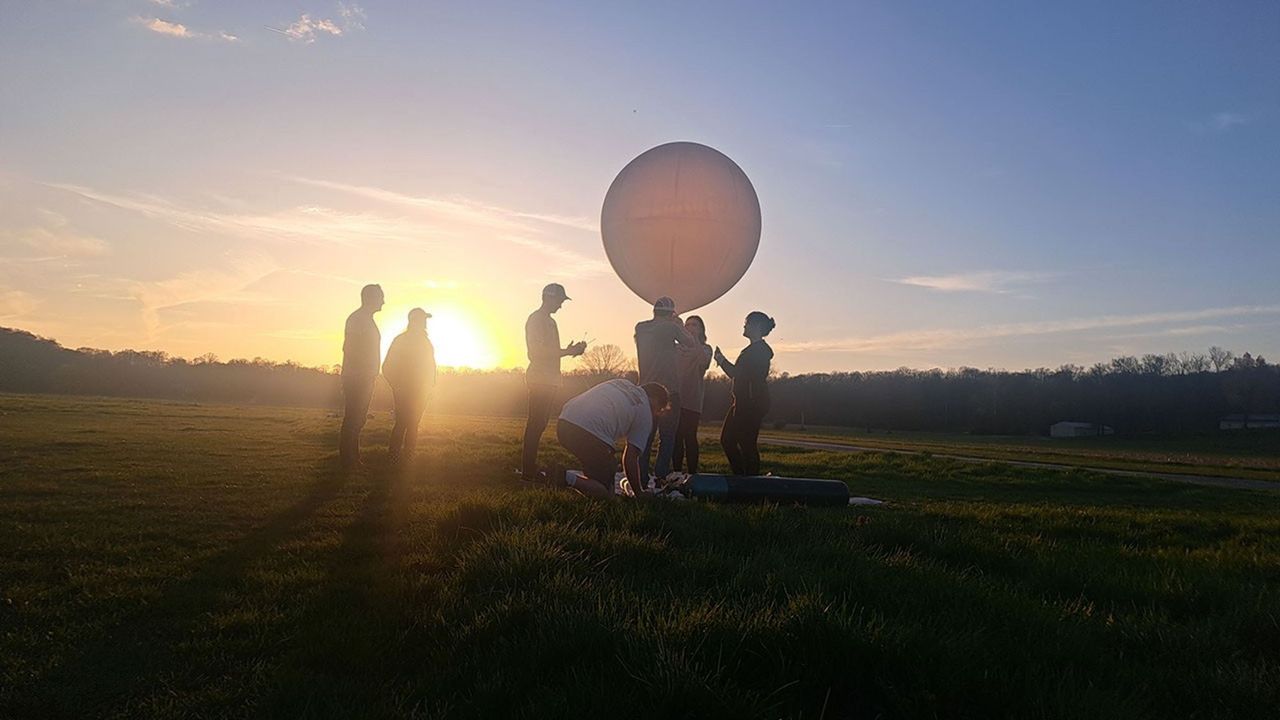
The Nationwide Eclipse Ballooning Project, led by Angela Des Jardins from Montana State University, will coordinate balloon releases to monitor changes in atmospheric conditions, including ozone levels, during the eclipse. These balloons will be deployed in anticipation of the event to help researchers understand how the sun, moon, and Earth interact during this rare phenomenon.
NASA's WB-57 jet, equipped with four cameras, will capture images of the corona's structures, outflows, and changes during the eclipse. The data collected could enhance scientists' understanding of the relationships between solar winds and materials within the corona. The same cameras used in the April 2024 total solar eclipse will be utilized again on August 12, enabling further observations and discoveries.
Written by urgent.news from Space.com's reporting — not their text. Machine-written — may contain errors; check the original before relying on it.