NASA Completes Astronaut-Deployed Science Instrument for Lunar Surface
NASA has declared “wrenches down” on the first completed payload designed for Artemis astronauts to deploy on the Moon’s surface. Engineers working on NASA’s Lunar Environment Monitoring Station, or LEMS, have completed hardware development and testing and the payload is ready for its permanent home near the lunar South Pole. With the hardware complete, LEMS […]
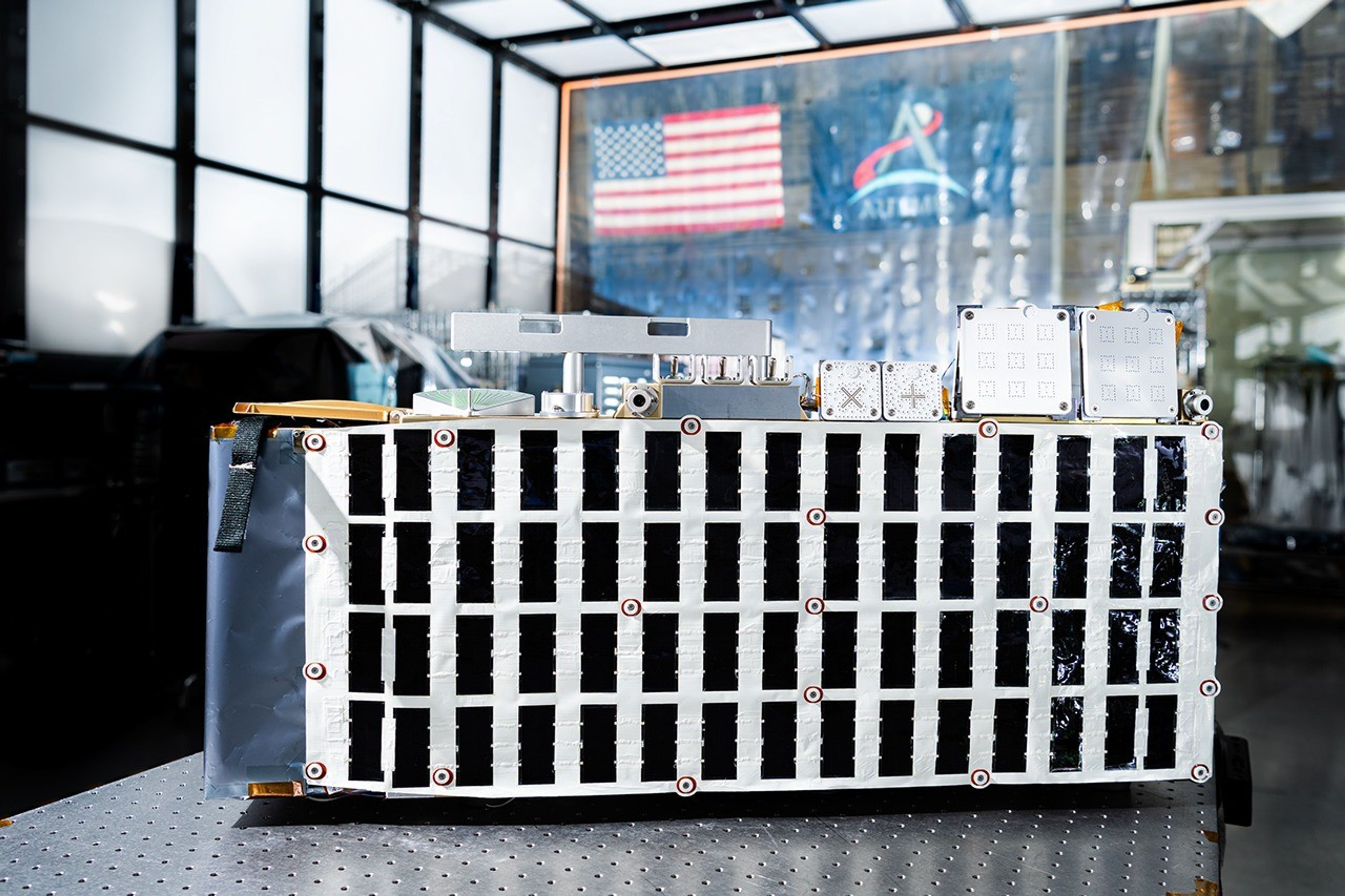
NASA has completed the first payload designed for astronauts to deploy on the Moon's surface, the Lunar Environment Monitoring Station (LEMS). Built at NASA's Goddard Space Flight Center, this small suitcase-sized instrument suite will monitor the lunar surface's seismic activity, including moonquakes and meteorite impacts, in the southern polar region.
LEMS is equipped with two highly sensitive seismometers that will provide scientists with crucial insights into the Moon's interior and the seismic hazards astronauts may face.
The modular design of LEMS allows for future adaptations and expansions, creating a reusable platform that can evolve as scientific priorities change. The payload will remain in a clean room at NASA's Goddard Space Flight Center until it is assigned to an Artemis mission for deployment to the lunar surface. Once deployed, LEMS will function independently, managing its power production via a lightweight solar array and maintaining a stable internal temperature during extreme temperature fluctuations.
LEMS builds upon the legacy of lunar seismic tracking established by Apollo astronauts, who deployed a network of seismometers between 1969 and 1972. These instruments recorded about 13,000 moonquakes and other ground vibrations, contributing to the understanding of the Moon's interior composition. With LEMS, astronauts will now carry the most compact, sensitive, and energy-efficient seismometers ever built for planetary exploration, collecting new clues to the Moon's internal structure and ongoing seismic activity.
Written by urgent.news from NASA's reporting — not their text. Machine-written — may contain errors; check the original before relying on it.