Middle East standoff: Why Gulf states may accept that Iran will control the Strait of Hormuz
Gulf energy producers have acknowledged Iran's assertion of control over the critical Strait of Hormuz. This development occurs amidst attempts to resume passage through this essential route, which are stymied by ongoing tensions. Governments in the region prioritize peace over export delays, while Iran aims for financial easing and a prohibition of international warships, extending the…
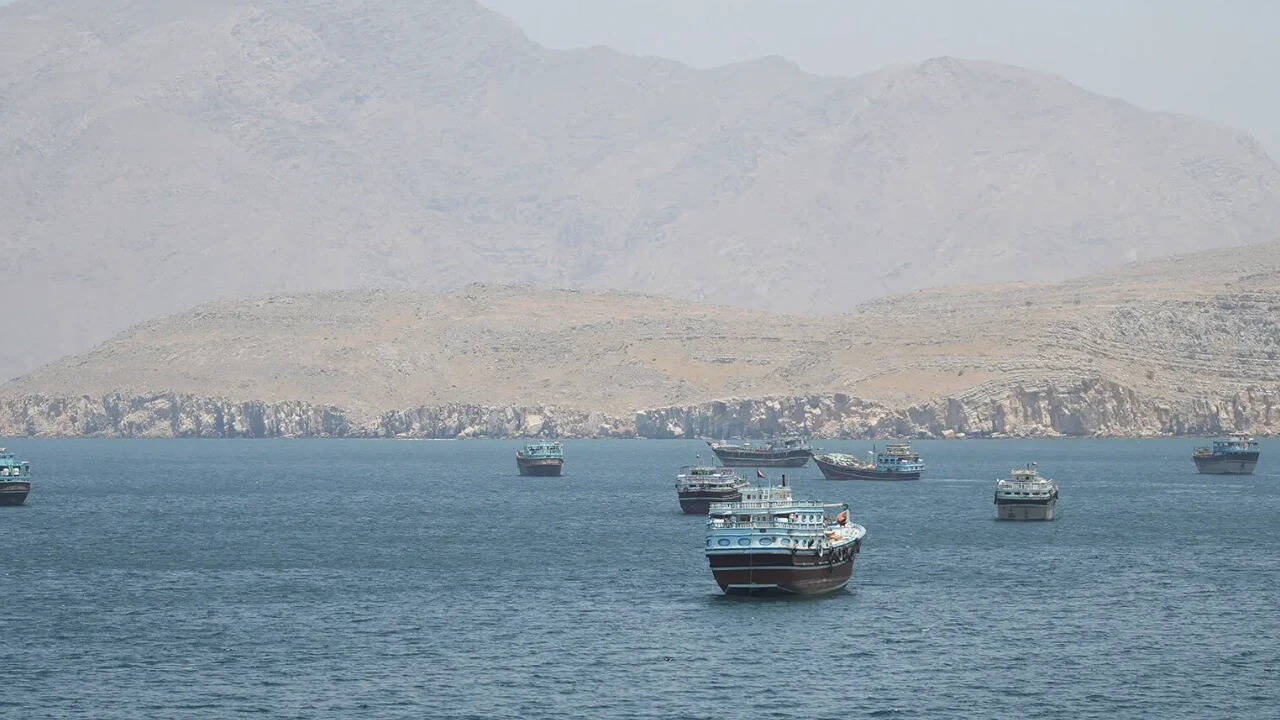
The Middle East is currently facing a standoff over control of the Strait of Hormuz, with Gulf states considering whether to accept Iranian domination of the vital shipping lane. Efforts to reopen the waterway have hit a wall as Iran demands financial concessions and a ban on US and Israeli naval vessels, while the United States opposes any arrangement that would limit shipping.
As a result, oil shipments through Hormuz have plummeted, with Kpler estimating a daily export volume of around 2.2 million barrels, down from about 8.5 million barrels a month ago. Before the conflict, the strait handled roughly 20 million barrels of oil and petroleum products daily.
Regional producers have attempted to maintain exports without relying solely on the strait, such as the UAE bringing its oil exports back to pre-war levels by rerouting them through the desert and using the strait occasionally. Saudi Arabia has also utilized an alternative route through the Red Sea, but this has been targeted by Iran-backed Houthi militias in Yemen.
The threat extends beyond the Gulf, with a drone attack on a gas tanker at Egypt's Damietta port causing fires and highlighting vulnerabilities in energy shipments even outside Hormuz.
Gulf states are struggling to ensure the complete safety and openness of the Strait of Hormuz, and they cannot rely on it for transport or trade any longer. Umer Karim, a researcher in Gulf security at the University of Birmingham, notes that there is no other option at the moment but to concede to a degree to Iranian demands. The heightened security threat also makes alternative routes less reliable.
Between February 28 and July 30, at least 172 attacks on non-military infrastructure across the six Arab Gulf states were carried out by Iran and allied militias, with energy facilities accounting for about half of these attacks.
Gulf states are exploring longer-term solutions to reduce their dependence on Hormuz, such as expanding pipelines to the Red Sea and Gulf of Oman and increasing storage capacity. Some producers have even attempted moving cargoes through the strait with their location beacons turned off. However, a temporary agreement to reopen the strait could ease energy shipments without resolving the broader security threat.
While a deal might restore some energy flows, it would not eliminate the risk, and ceding control over inbound and outbound traffic to Iran, even temporarily, would leave their exports subject to Tehran's whims for the foreseeable future.
Written by urgent.news from Times of India's reporting — not their text. Machine-written — may contain errors; check the original before relying on it.
This story
This is one outlet's version. Read the fullest account.
- John Cena to attend Middle East Film and Comic Con in Abu Dhabi thenationalnews.com