Meet the red handfish, the critically endangered fish that walks
For 20 years, photographer Joel Sartore has been documenting animals through his Photo Ark project, which has now reached its 18,000th species. The latest addition is the critically endangered red handfish, a tiny marine fish that uses its fins to move across the seafloor. Sartore hopes the project will raise awareness about threatened species and help preserve a record of animals that could…
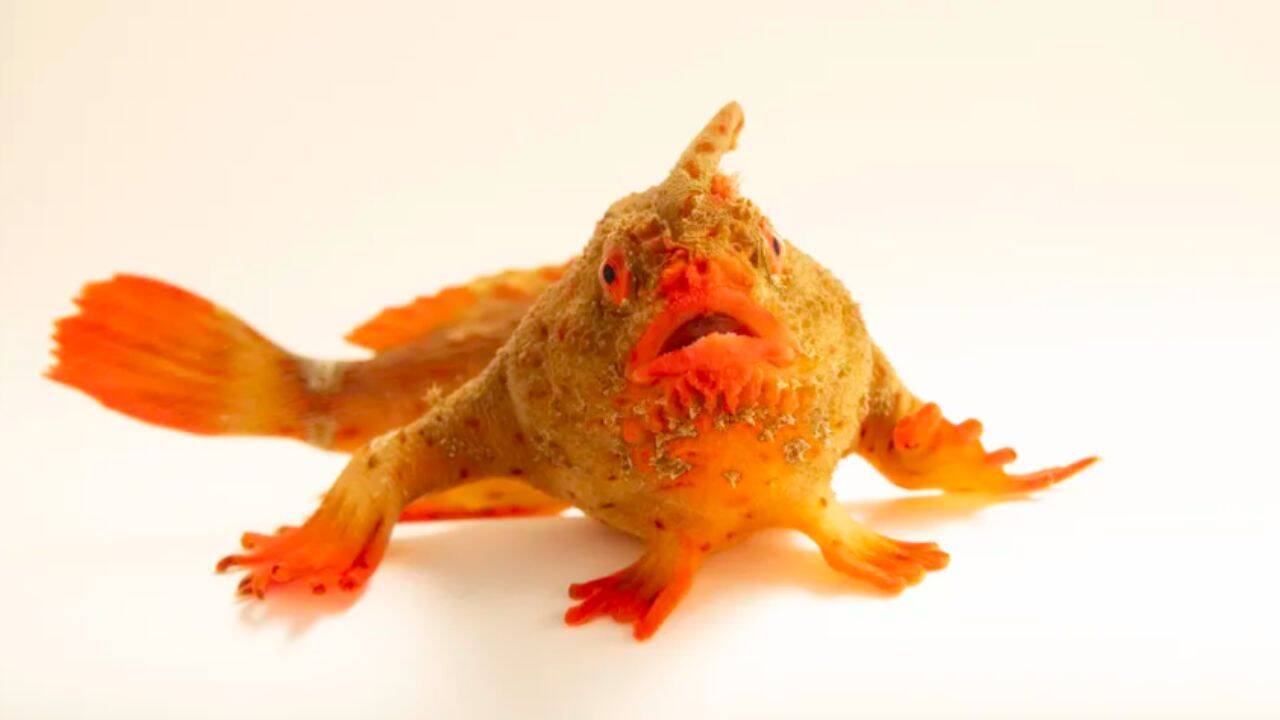
For 20 years, photographer Joel Sartore has been documenting the world's animals through his Photo Ark project. Recently, the 18,000th species to be photographed was the critically endangered red handfish. Native to Australia, this tiny marine fish uses its fins to "walk" along the seafloor, making it stand out from many other fish species. The red handfish measures about the size of a human thumb.
Sartore captured the red handfish at a breeding laboratory at the University of Tasmania's Institute of Marine and Antarctic Studies. The photographer set up a small photo tank on a tabletop and photographed the fish, describing how it "kind of walks around." The Photo Ark project was initially conceived by Sartore after his wife's cancer diagnosis, leading him to reflect on life's fragility and the importance of documenting endangered species.
The red handfish is particularly important to the Photo Ark due to its threatened status. Sartore's goal is to photograph animals that can be seen with the naked eye, whether they live on land, underground, or in the ocean. The project aims to raise awareness about the existence of these species and the need to protect their habitats. In addition to photographing animals, Sartore also documents corals, anemones, and sponges, many of which are too small to see without this project.
The Photo Ark not only creates a collection of animal portraits but also supports conservation efforts. For example, a grant awarded to George Gann supports ecological restoration in Florida, where threatened species like the Miami tiger beetle and Florida bonneted bat reside. The project has also helped rediscover the longnose harlequin frog in Ecuador, which had been considered extinct since the 1980s.
Written by urgent.news from Times of India's reporting — not their text. Machine-written — may contain errors; check the original before relying on it.