Meet the farmer who grows flowers for Chanel’s most famous fragrance
A family-run farm in France has nurtured the delicate flowers that form the essence of Chanel No. 5 for many generations. The Mul family's unwavering commitment to cultivating May Rose and jasmine in Grasse ensures the perfume's timeless signature fragrance remains intact. Coupled with the expertise of the Polge family's perfumers, who have shaped Chanel's legendary scents for years, this…
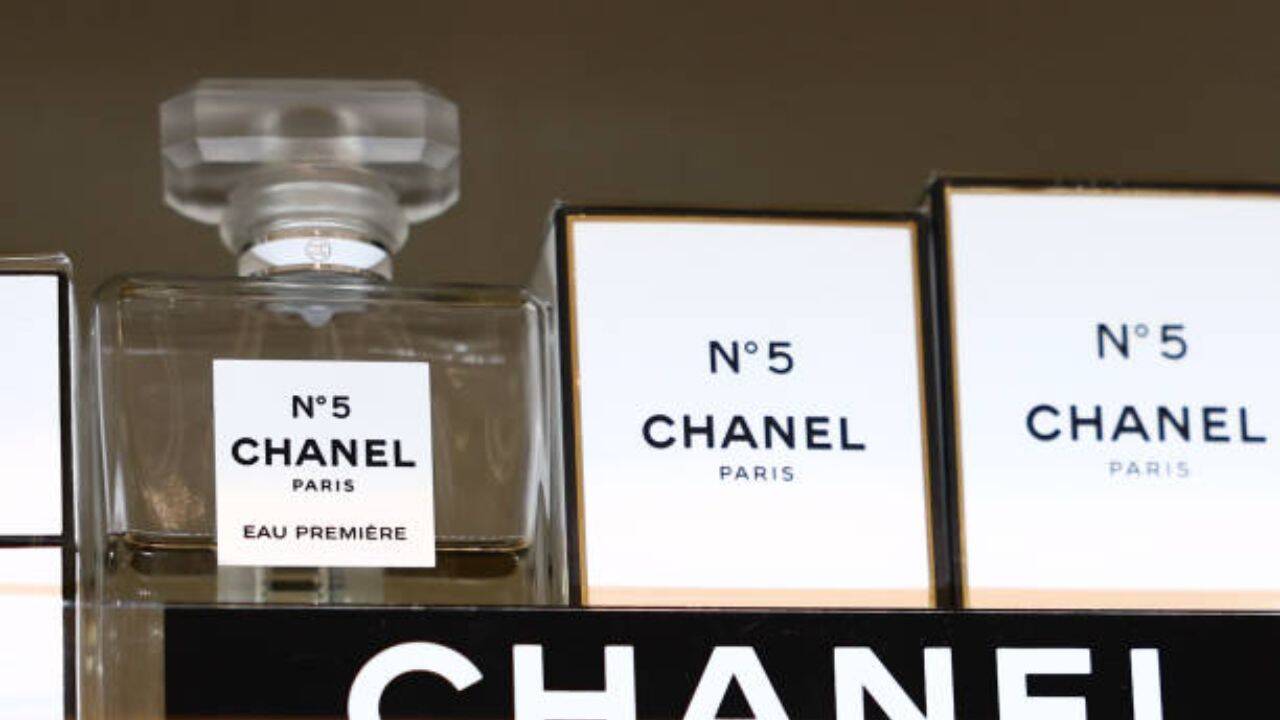
For generations, one family in Grasse, France, has cultivated the flowers that form the signature scent of Chanel No. 5. The May Rose, a highly sought-after flower, yields a rich, honey scent that is essential to the iconic perfume's distinctive aroma. Joseph Mul, a fourth-generation farmer, recounted that his family has been growing these flowers for over a century, with the tradition dating back to the 1840s.
Today, three generations of the family continue to work the land alongside Joseph's son-in-law, Fabrice Bianchi, and granddaughter, Marika Bianchi.
Joseph's son-in-law, Fabrice Bianchi, joined the family business after initially pursuing a career in consulting. He expressed his appreciation for the natural environment where the family has grown for generations. The farmer's granddaughter, Marika Bianchi, shared a similar sentiment, stating that she found her role in the family business to be a natural fit rather than a job.
The story of Chanel No. 5's creation is deeply intertwined with the family's agricultural legacy. The perfume, launched in 1921, was a collaboration between Coco Chanel and perfumer Ernest Beaux. Chanel's intuition led her to prioritize the use of the most exquisite raw materials, with flowers playing a crucial role due to their challenging harvest and low yield. The roses, jasmine, and ylang ylang used in No. 5 are all grown on the Mul family's 30-hectare field.
The rose used in Chanel No. 5, known as centifolia, is particularly revered for its rich scent and velvety texture. This variety is harvested carefully in November and December, cleaned, separated, dried, and replanted for the following year. The flowering process begins in April, and the flowers are harvested by hand during the early morning.
Once harvested, the petals are placed in burlap bags, weighed, and extracted to create the perfume's concentrated wax, or "concrete." To produce the final product, this wax is further processed into rose absolute, which forms the base of every CHANEL N°5 bottle.
Written by urgent.news from Times of India's reporting — not their text. Machine-written — may contain errors; check the original before relying on it.