Mark Zuckerberg manifesto sketches out Meta's ambitions for world-changing AI technology
In a document derided by critics as fantastical, Zuckerberg said his company is working toward an era where everyone will have the tools to create new businesses, receive Ph.D.-level tutoring and provide personalized lifestyle tips. His 8-year-old daughter, he wrote, can already code her ideas and quickly produce videos.
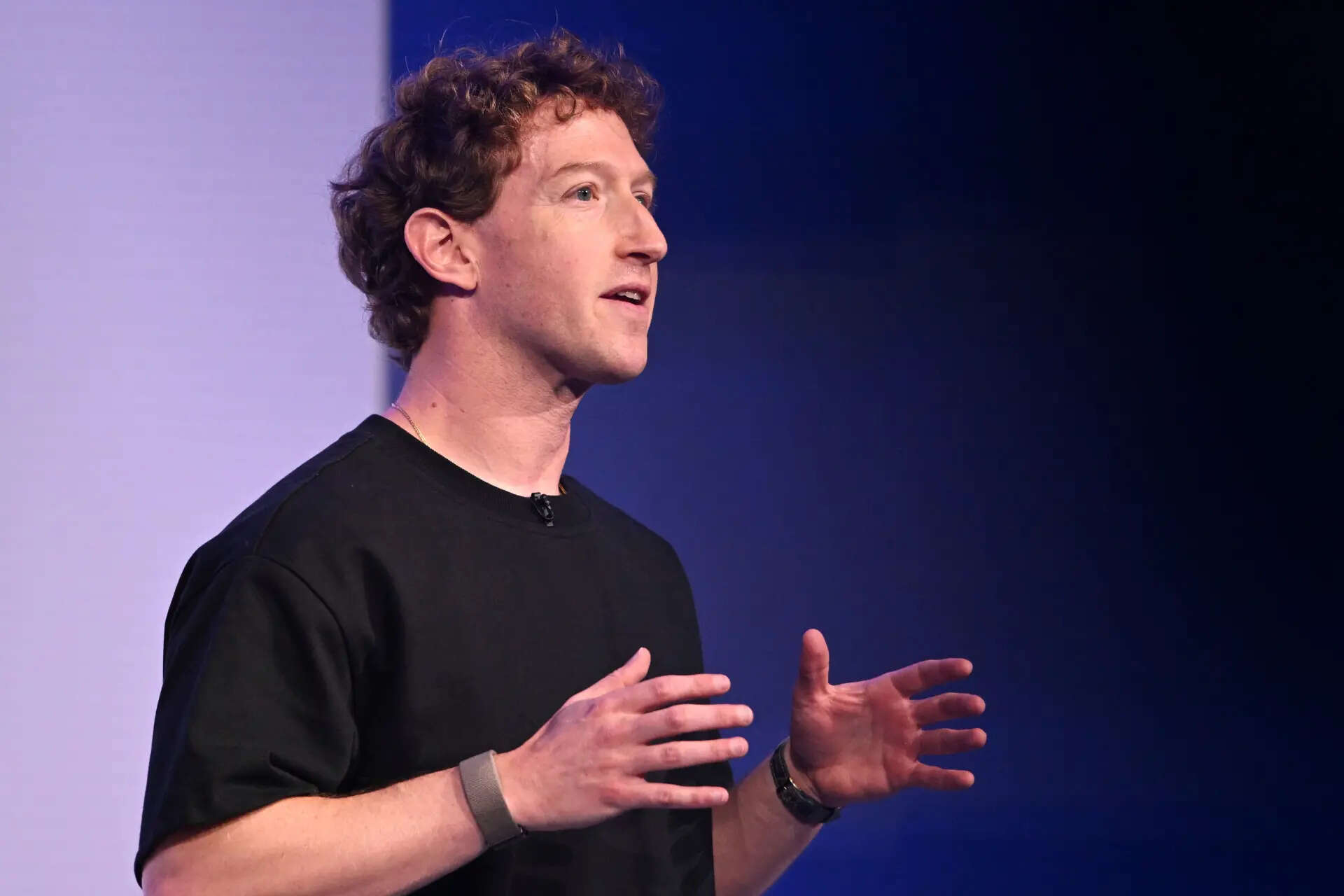
Meta Platforms CEO Mark Zuckerberg outlined his vision for artificial intelligence's potential to transform the world in a 6,500-word essay published online. In the vision, Zuckerberg envisions a future where everyone has their own, all-knowing AI agent that can enhance various facets of their lives. He detailed his ambitions for AI technology and also expressed his preference for open-source AI, which allows developers to examine, modify, and build upon key components.
Critics deemed Zuckerberg's essay as unrealistic, arguing that such a scenario is highly speculative. In the document, Meta CEO stressed the importance of open-source AI, asserting that if control of AI superintelligence is concentrated, it could lead to unfavorable outcomes for everyone. His 8-year-old daughter, he noted, already codes her ideas and creates videos, indicating that soon everyone will possess "invention superpowers."
However, Zuckerberg warned of potential risks associated with concentrating advanced AI power in the hands of a select few companies, institutions, or governments. Meta also announced the release of a new open-source AI model, Muse Glimmer, which can run on a personal computer, and the company announced plans to provide access to a more powerful AI model, Muse Spark 1.2.
Critics urged a more cautious approach to AI development, pointing out recent incidents where AI models, including Meta's own, were exploited to compromise other companies. Anthony Aguirre, president and CEO of the AI safety nonprofit Future of Life Institute, questioned Meta's ability to control an AI system exponentially smarter, faster, and more capable than current models.
Aguirre argued that a pause on advanced AI development and a focus on pro-human, individual flourishing with controllable AI tools are urgently needed.
In his essay, Zuckerberg outlined why he believed open-source AI is a better route for fair development. He cautioned that a concentrated AI superintelligence could lead to less favorable outcomes for everyone and recommended a balanced approach to ensure advanced AI benefits billions of people equitably. Despite these recommendations, some critics contend that Zuckerberg's vision is self-serving, as only Meta would benefit from widespread use of its AI systems, even if they are fully open-source.
Written by urgent.news from Economic Times Tech's reporting — not their text. Machine-written — may contain errors; check the original before relying on it.
This story
This is one outlet's version. Read the fullest account.
- Mark Zuckerberg lays out Meta’s AI vision in a 6,500-word essay. 6 things to know fastcompany.com
- Mark Zuckerberg rejects AI doom narrative, says invention will create more jobs nairametrics.com
- Mark Zuckerberg’s AI manifesto is exactly why people don’t like AI techcrunch.com
- Meta releases new AI model as Zuckerberg writes 6500-word essay on the future theage.com.au
- Meta releases new AI model as Zuckerberg writes 6500-word essay on the future smh.com.au
- 3 key details about what Mark Zuckerberg's vision of the AI future would look like for you businessinsider.com
- Mark Zuckerberg is pushing back on AI doomers in a 6,500 word essay qz.com
- Meta brandishes open-source AI models again, as Zuckerberg media blitz emphasizes battle against Chinese rivals fortune.com