'It's not easy': The hidden pressure point at Australia's airports
Flight delays are a familiar frustration for many travellers, but experts say the reason behind them is often less visible.
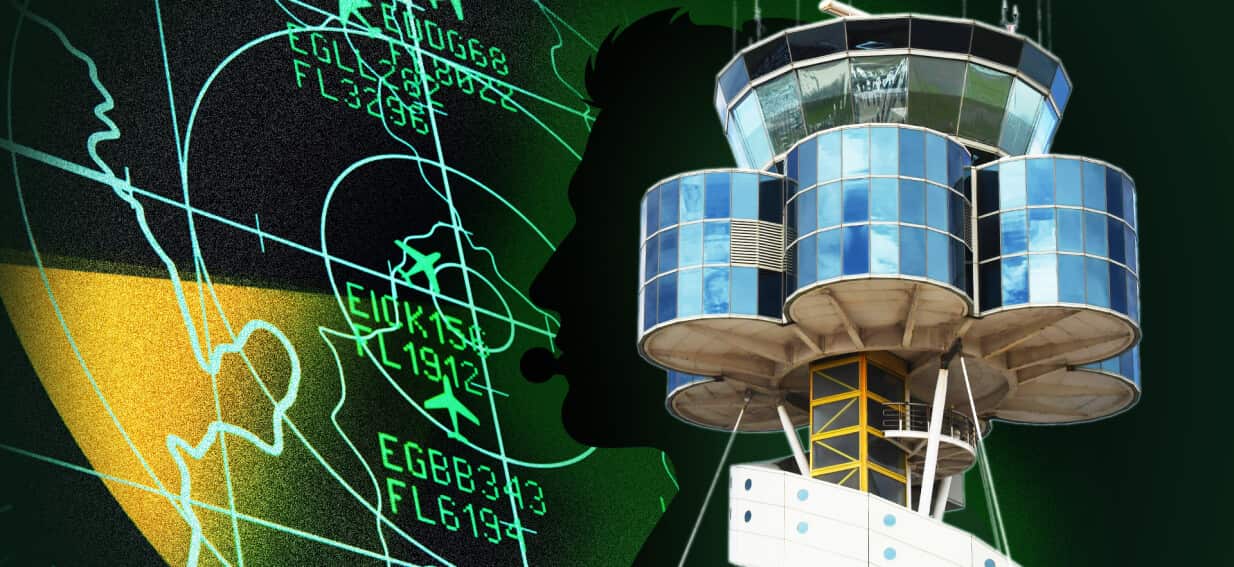
On Tuesday, many Australians encountered airport delays despite clear weather and ready aircraft. Melbourne and Perth airports faced 200 delayed flights, while Sydney experienced 138 ground delays amounting to 43 minutes. Strong winds and air traffic control challenges contributed to the disruptions, according to Airservices Australia, the government body overseeing air traffic management. CEO Rob Sharp acknowledged the frustration these delays cause for passengers, airlines, and airport partners.
Sharp explained that delays are sometimes necessary to ensure public safety, particularly during challenging periods for air traffic controllers. This week, Sydney Airport narrowly avoided a ground collision between two passenger jets, an incident under investigation. Experts question if Australia's air traffic control workforce can keep up with increasing demands.
Airtraffic controllers manage various stages of flights, from take-off to landing and airspace movement. Training typically takes 12 months, followed by additional on-the-job training. Australia manages over 51 million square kilometers of airspace, roughly 11% of global airspace, round-the-clock. Federal Transport Minister Catherine King described the job as stressful and difficult due to the vast airspace and quick decision-making required.
Recent disruptions led to an emergency meeting in Canberra, where King expressed confidence in Airservices Australia's efforts to address the issues. Air traffic control disruptions have decreased by 86% over the past financial year, and ground delays by 13%. Despite hiring 109 new controllers and an additional 15 in training by the end of 2027, experts argue the staffing model relies too heavily on overtime, unsustainable in the face of expanding airports.
The COVID-19 pandemic has also impacted the industry, causing a loss of manpower. Sydney Airport, with its complex layout and night operations, poses particular challenges for new air traffic controllers. Experienced controllers often hail from overseas, with the sector relying on a mix of Australian-born and international talent. Compensation for air traffic controllers ranges from $60,000 for trainees to over $243,000 for supervisors, making it a competitive and well-paid profession.
Written by urgent.news from SBS News's reporting — not their text. Machine-written — may contain errors; check the original before relying on it.