ISRO’s Thoothukudi spaceport to become India’s first privately operated spaceport
IN-SPACe invites private firms to operate India’s new Kulasekarapattinam spaceport, while ownership remains with the government.
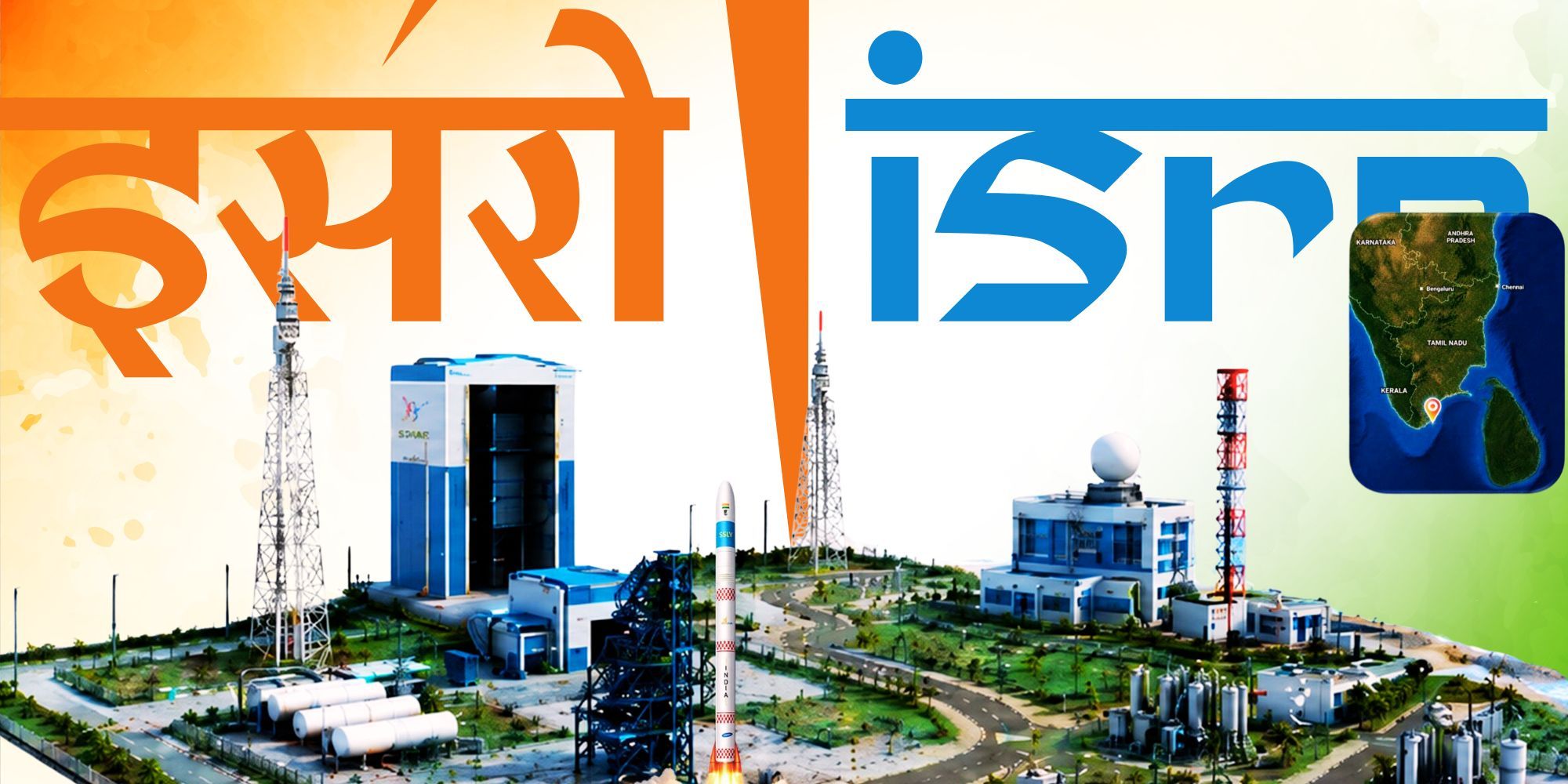
India is set to transfer control of its first national spaceport to a private company, breaking from the leasing model used by NASA. The Small Satellite Launch Complex (SLC) under construction in Thoothukudi, Tamil Nadu, is a 2,233-acre facility developed by ISRO at a cost of ₹986 crore. It is designed for small commercial launchers carrying payloads up to 500 kg and will utilize the coastal location for efficient access to polar and sun-synchronous orbits.
Under the proposed model, the spaceport will remain owned by the Department of Space, but the running of it will be handed over to a private entity selected through an Expression of Interest process. This private operator would be responsible for operating and maintaining the launch infrastructure, coordinating with ISRO and launch providers, and executing launch campaigns. The selected firm must be an established Indian company with a proven track record of managing large-scale infrastructure projects.
This approach differs from the American model, where launch pads are exclusively operated by a single provider, such as SpaceX at Launch Complex 39A. By creating a neutral operator between the pad and the rockets, the shared ownership model aims to reduce the burden on launch providers, allowing them to focus on vehicle development and missions. It also enables the efficient sharing of a single pad among multiple providers, potentially increasing launch frequency and spreading fixed costs.
Applicants must meet stringent eligibility criteria, including a minimum operational duration of seven years, substantial net worth and annual turnover, and experience in managing large-scale projects. While standalone rocket startups may not qualify, they could still participate as part of a consortium.
The move aligns with India's ongoing space reforms, which have progressively opened up satellite manufacturing, ground stations, and launch operations to private capital. The facility, expected to become operational in 2026-27, could serve as a template for how a national space agency and private industry can share critical infrastructure, easing the crowded environment at ISRO's primary launch site and positioning India to compete in the growing global small-satellite launch market.
Written by urgent.news from YourStory's reporting — not their text. Machine-written — may contain errors; check the original before relying on it.