Israel's rejection of Gaza peace plan continues foot-dragging on ceasefire deal: Advisor to Prime Minister and Foreign Ministry Official Spokesperson
<p>Doha: Advisor to the Prime Minister and Official Spokesperson for the Ministry of Foreign Affairs Dr. Majed bin Mohammed Al Ansari said Israel’s rejection of the peace plan in the Gaza Strip represents a continuation of its foot-dragging in implementing the agreements that have been reached since day one to reach a ceasefire.</p> <p>He added that the State of Qatar hopes that the international…
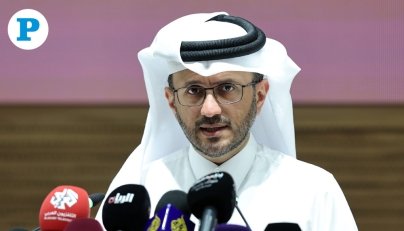
Dr. Majed bin Mohammed Al Ansari, advisor to the Israeli Prime Minister and Foreign Ministry spokesperson, criticized Israel's continued refusal to accept the peace plan for Gaza. He emphasized that Qatar hopes the international community will apply pressure to ensure the second phase of the agreement is implemented. During a press briefing, Al Ansari said Hamas' recent declaration facilitated a breakthrough in the accord, and now the onus is on Israel to fulfill its commitments.
Qatar continues to collaborate with partners in the international community to facilitate the transition to the second phase, based on the US President's plan. Al Ansari clarified that Qatar is mediating alongside the US, Egypt, and Turkey, and highlighted the ongoing fighting in Gaza and the West Bank, with casualties rising and attacks on civilian sites persisting.
He stressed the importance of the international community taking a firm stance against Israel's actions, reiterating Qatar's commitment to regional partners. The spokesperson noted the joint statement from foreign ministers of several nations, including Qatar, Jordan, the UAE, Indonesia, Pakistan, Turkey, Saudi Arabia, and Egypt, indicating practical steps to be announced soon.
He mentioned the current phase as a critical juncture in the talks between the US and Iran, praising Oman's efforts in the de-escalation process. Al Ansari stressed that reopening the Strait of Hormuz, respecting international law, is the primary goal, and welcomed any regional cooperation to bolster security and stability. He affirmed Qatar's strategic ties with Saudi Arabia, Turkey, and Pakistan and its positive outlook on defense frameworks based on cooperation and good-neighbor relations.
The spokesperson underscored that the region's security is a collective responsibility, calling for continued bilateral and regional coordination. He addressed the impact of American economic pressures on Iran, reaffirming that opening the Strait of Hormuz and supporting ongoing negotiations are the top priorities, while leaving final remarks to the parties involved.
Regarding Gulf perspectives on Iran's remarks about the Strait of Hormuz, Al Ansari emphasized the priority of restoring pre-crisis conditions, insisting that any future arrangements must respect international law and regional consensus to maintain regional security and stability.
Written by urgent.news from The Peninsula Qatar's reporting — not their text. Machine-written — may contain errors; check the original before relying on it.