In Delhi CM’s constituency, mixed response on scheme for financial aid for women
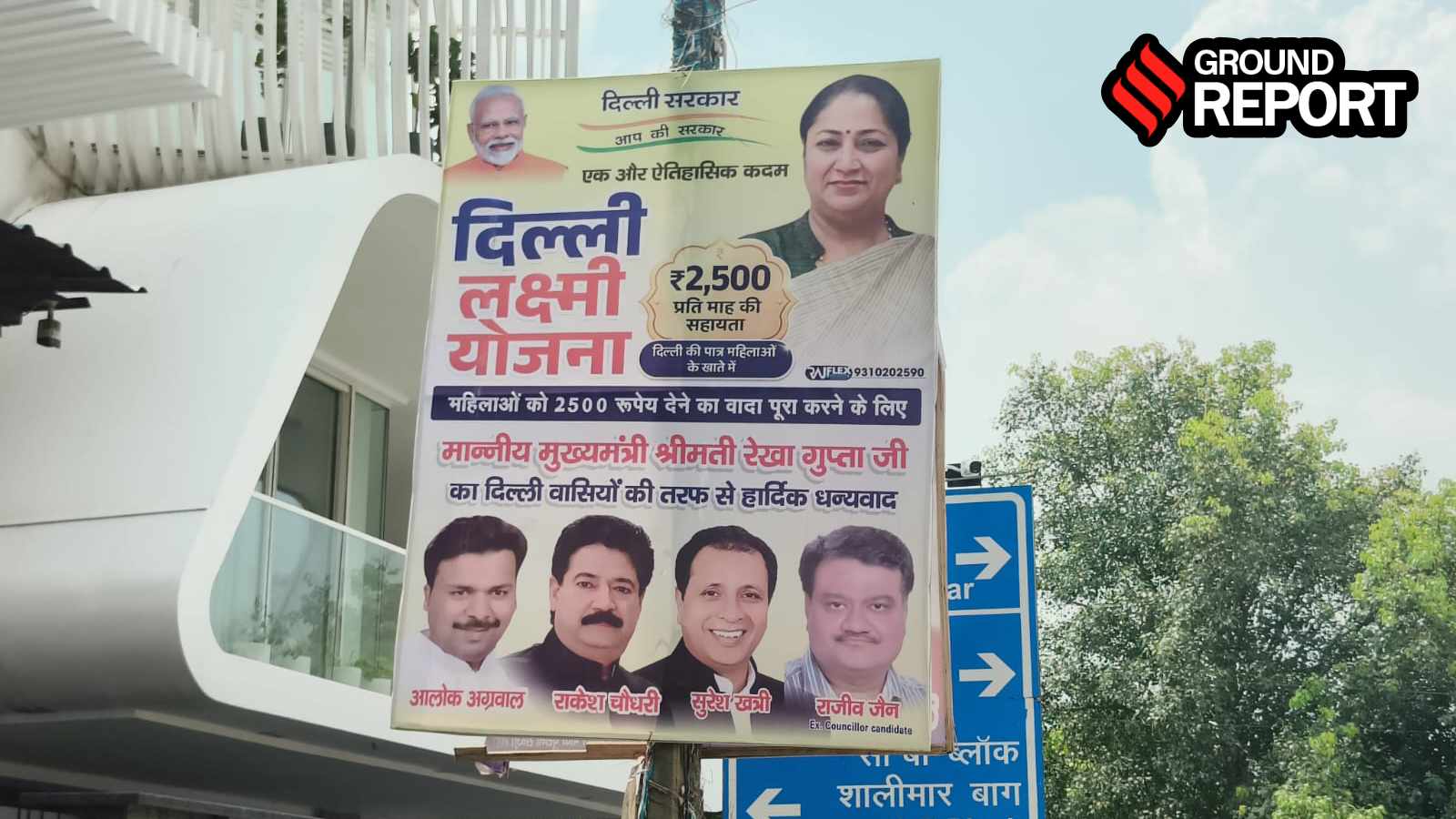
Hoardings and posters celebrating Chief Minister Rekha Gupta's birthday, Teej, and Independence Day adorn trees and police stations in North West Delhi's Shalimar Bagh, the CM's assembly constituency. Last year, Gupta, a municipal councillor and former student politician, won Shalimar Bagh with 30,000 votes. The BJP's victory in the Capital after over two decades came with a major poll promise: monthly financial aid for women from economically weaker sections, branded Delhi Lakshmi Yojana, set to launch on Raksha Bandhan (August 28).
The financial aid scheme, unlike state programs, has strict eligibility conditions, exclusions, and guidelines on usage. Inside Indira Colony, a slum cluster of 400 homes, the scheme's launch has drawn mixed responses. Most eligible women work as house helps in nearby houses. Despite only the eldest family member, aged 21-60 and with an annual income below Rs 2.5 lakh, being eligible, many are struggling to comprehend the terms.
Gurbari Sahu, 60, and her daughter-in-law, Nirmala, 33, have filled the application forms. "At least one of us will get... what if we only filled one and it got rejected?" Gurbari asks. She and her son spent five days completing the applications, navigating eligibility criteria. They obtained a Voter ID and a letter from their MLA, which helped them register at the CM's office. The process was finally completed with the CM's stamp on the letter.
Anil Kumar Gupta, 32, whose family isn't eligible, laments, "You'll get jealous once if your neighbor gets something and you won't." However, Jyoti, a 28-year-old resident from Uttar Pradesh, criticizes the scheme. "They wanted everyone's vote, but they're excluding everyone while giving money," she says. Her ineligible status stems from her husband's ownership of pickup trucks.
Meena Devi, with three sons and two daughters, also criticizes the scheme. "Those with more children need more money... but those are the people excluded." During the AAP regime, poor people received government benefits easily, but now, she claims, they must provide numerous documents and answers. A CM's office source stated, "Whenever the government makes any scheme, it takes a decision on how to benefit the poorest section of society."
Gurbari concludes, "The one who gives us money is like a parent to us, but we will have to work hard... just this will not suffice."
Written by urgent.news from The Indian Express's reporting — not their text. Machine-written — may contain errors; check the original before relying on it.