IEEE Engineering Summit Supports Bhutan’s Digital Transformation
In collaboration with the Kingdom of Bhutan government, IEEE recently introduced its Engineering Education, Research, and Innovation Summit. Held on 9 and 10 June in Paro, in the eastern Himalayas, the event was designed to help Bhutan navigate its digital transformation by focusing on the critical intersection of digital transformation, engineering education, and sustainable development. The…
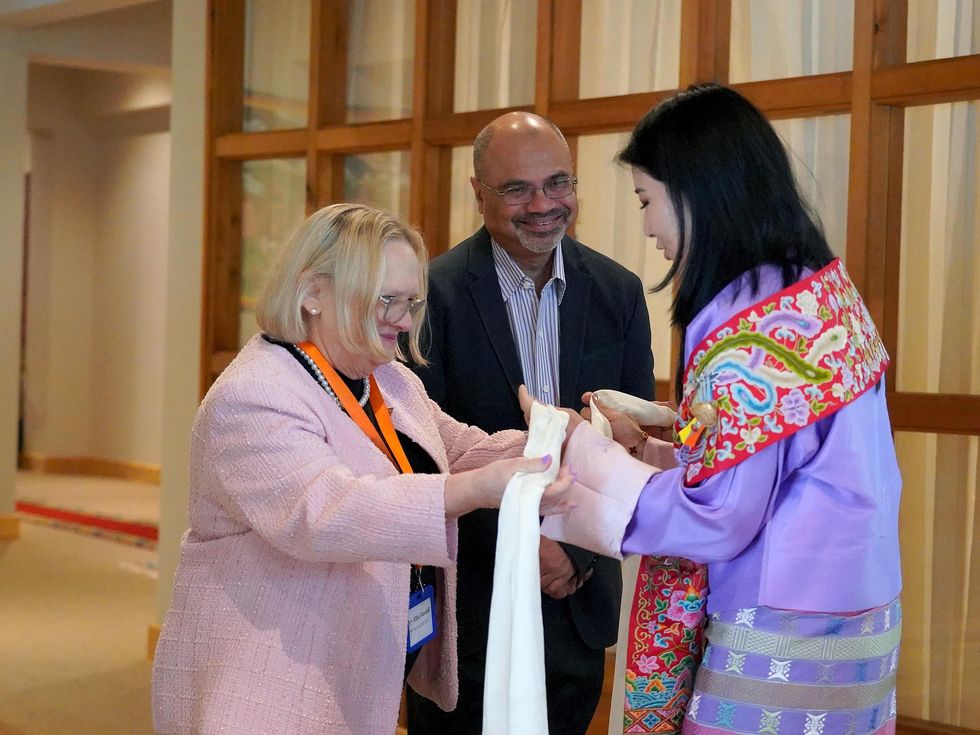
The IEEE Engineering Education, Research, and Innovation Summit took place on June 9 and 10 in Paro, Bhutan, with the aim of supporting the country's digital transformation. The event was organized in partnership with the Bhutanese government and gathered global academic leaders, technology experts, and government officials. The summit's primary focus was on bridging the gap between modern engineering curricula and practical, application-based frameworks.
Key discussion points included the integration of artificial intelligence (AI) in higher education, building research capabilities, and addressing infrastructure challenges to ensure nationwide digital readiness. IEEE President and CEO Mary Ellen Randall emphasized the importance of supporting local universities and students in developing future-ready technology that aligns with Bhutan's commitment to sustainability and human well-being.
Bhutanese Princess Chimi Yangzom Wangchuck addressed the attendees, stressing the need to align technological innovation with the nation's philosophy of gross national happiness (GNH). She highlighted the importance of shaping technology according to ethical values and the pressing question of whether society can influence technological development.
The summit resulted in a collaborative blueprint for a high-value knowledge economy in Bhutan, targeting several key areas. These include workforce readiness through industry-driven curriculum modernization and cocreation of skills programs, strengthening AI and research infrastructure, and promoting values-driven innovation that supports climate-resilient and green engineering practices.
Additionally, the summit aimed to bridge technical capability gaps between urban and rural institutions and promote sustainability through global stakeholder discussions.
Written by urgent.news from IEEE Spectrum's reporting — not their text. Machine-written — may contain errors; check the original before relying on it.