How to Find Lunar Ice? Moonquakes to the Rescue!
The surface of the Moon is a bleak and forbidding place that might be hiding a lot of water ice on and under the dusty landscape. However, most possible ice deposits don't just stand out in an image. You need specialized mapping to find traces of water ice. So, scientists have devised another way to find the Moon's frosty hidden reserves. They use seismic waves from moonquakes as locator beacons.
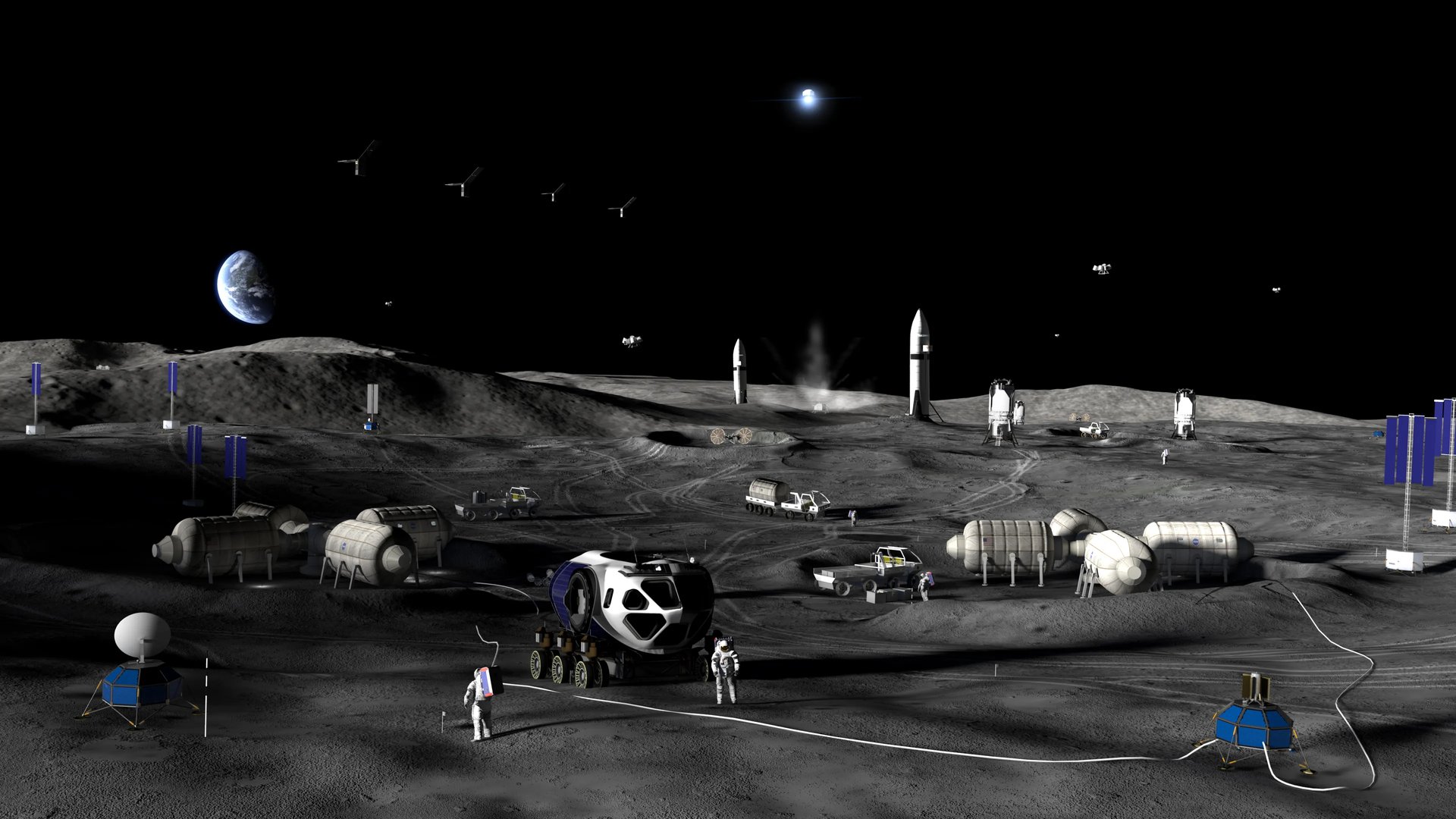
Researchers have discovered a novel method for locating water ice on the Moon using seismic waves from moonquakes. Seismic waves can reveal hidden deposits of lunar ice in regions such as the south pole where comets or asteroids may have delivered ice. Water ice is crucial for future lunar habitats as it can provide water, oxygen, and rocket fuel.
Mapping potential ice deposits is challenging since they don't stand out visually, so scientists use seismic waves to guide their search. By analyzing the velocity of seismic waves, researchers can determine the depth and amount of ice present. This method is essential for Artemis missions and other lunar explorations, as it allows astronauts to utilize local resources instead of transporting supplies from Earth.
Understanding lunar water sources is also vital for planetary science, as it could provide insights into the Moon's formation and early solar system history.
Written by urgent.news from Universe Today's reporting — not their text. Machine-written — may contain errors; check the original before relying on it.