How did Indiana students do on a revised ILEARN this year?
Around 42% of Indiana students were proficient in English language arts and 43% were proficient in math in 2026, according to state testing data released Tuesday. While pass rates on the state test, the ILEARN, were similar to scores…
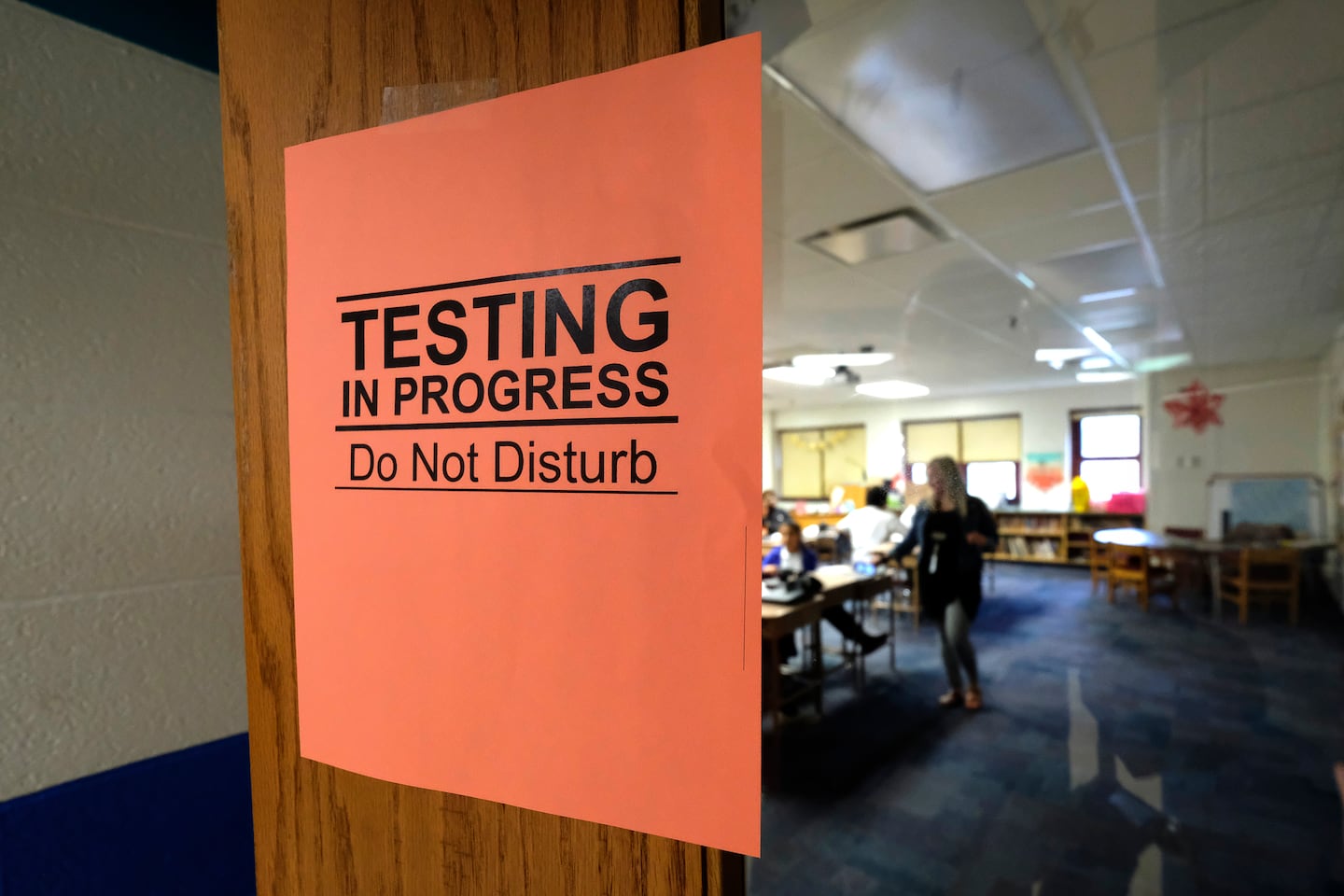
In the academic year of 2026, Indiana students' performance on the revised ILEARN, the state's standardized test, showed modest proficiency levels in both English language arts and math. Around 42% of students were deemed proficient in English, while 43% were proficient in math, according to state testing data released on Tuesday.
The state test, known as the ILEARN, underwent significant changes this year, with all students taking three checkpoints throughout the year, followed by a shorter end-of-year test. This marks the first time all students have participated in the revised ILEARN format.
Education officials cautioned against making direct comparisons with previous years, as there have been substantial changes to state standards and the test itself in recent years. The 2025-26 school year witnessed flat proficiency levels in English language arts for Indiana students, while math proficiency improved by approximately five percentage points from 2021 to 2025.
The new ILEARN scores, combined with SAT and IREAD results, will factor into the A-F grades assigned to schools. Additionally, these scores will be reported alongside IREAD and SAT results at the State Board of Education meeting.
Third and fourth graders demonstrated the highest proficiency rates, with over half of Indiana third and fourth graders scoring proficient in math, but this rate dropped in middle school grades, with roughly 34% of eighth graders passing the math section. In English language arts, 41% of third graders were proficient, a figure that remained consistent in grades 4-7, rising slightly to 44% in eighth grade.
Ana Shults, Indiana Department of Education's chief academic officer, highlighted the disparity between math and English proficiency trends, emphasizing that early cracks in foundational skills in math lead to increasingly difficult-to-recover ripple effects.
Moreover, the data revealed persistent gaps in proficiency among student groups. Only 29% of students receiving subsidized meals, a federal measure of poverty, scored proficient in English, compared to 53% of students who did not face such challenges. The state did not disclose school-level ILEARN data on Tuesday, but officials did not provide a reason for withholding this information.
State Board of Education Secretary Katie Jenner emphasized that the ILEARN aligns well with the National Assessment of Educational Progress, a federal test administered by the government. She affirmed that the test has a tough standard and a rigorous assessment profile.
Education officials underscored that while ILEARN and SAT scores measure student knowledge, they also serve as indicators of students' progress toward college readiness. The SAT, administered to all Indiana juniors, contributes 10% to a school's A-F grade and is a standalone indicator, with more weight given to the share of students earning the state's new diploma seals.
Written by urgent.news from Chalkbeat's reporting — not their text. Machine-written — may contain errors; check the original before relying on it.