How and Where to Watch Solar Eclipse and the Perseids in Canada
Two striking celestial events will grace the Canadian skies: partial solar eclipse and Perseid meteor shower, both peaking on August 12, 2026.
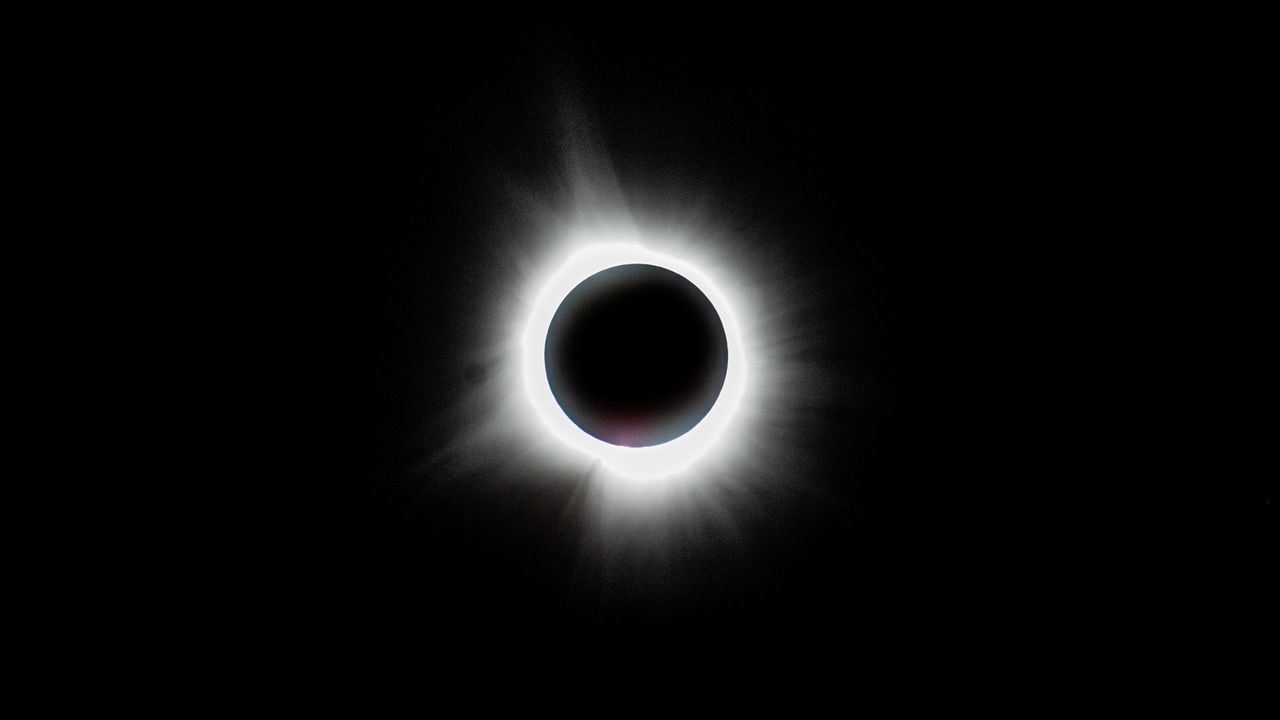
Two celestial events will happen in the Canadian skies on August 12, 2026: a partial solar eclipse and the Perseid meteor shower. Although these events are not rare individually, their simultaneous occurrence is an unusual occurrence. Canadians should prepare to observe the sky both during the day and night for these events.
A partial solar eclipse will be visible across 26 U.S. states and all provinces and territories in Canada. The Moon will block some of the Sun's light, creating a partial eclipse. The best viewing locations are Iqaluit, Nunavut, St. John's, Newfoundland and Labrador, Moncton, New Brunswick, Halifax, Nova Scotia, Churchill, Manitoba, Québec City, Whitehorse, Yukon, and Montréal.
The Perseid meteor shower, one of the most spectacular all year, will also be visible. It happens when Earth passes through the debris left behind by a comet, creating bright meteors. Moonlight can make these meteors harder to see, but the Perseids are easily visible to the naked eye. The best time to observe the Perseids is after midnight, around 2:00 a.m. local time.
To view the Perseids, it's best to stay away from city lights and find a location with minimal light pollution, such as a designated Dark Sky Preserve, large open field, or hilltop. Protective eyewear is necessary to safely view the partial solar eclipse, such as ISO 12312-2 certified eclipse glasses or a pinhole projector. If you can't find a suitable location, avoid looking directly at the Sun, as it could damage your eyes.
Written by urgent.news from Tempo.co English's reporting — not their text. Machine-written — may contain errors; check the original before relying on it.
This story
This is one outlet's version. Read the fullest account.
- How to watch a solar eclipse safely: tips here earthsky.org