Have trouble sleeping in a new place? Most do because of the first-night effect
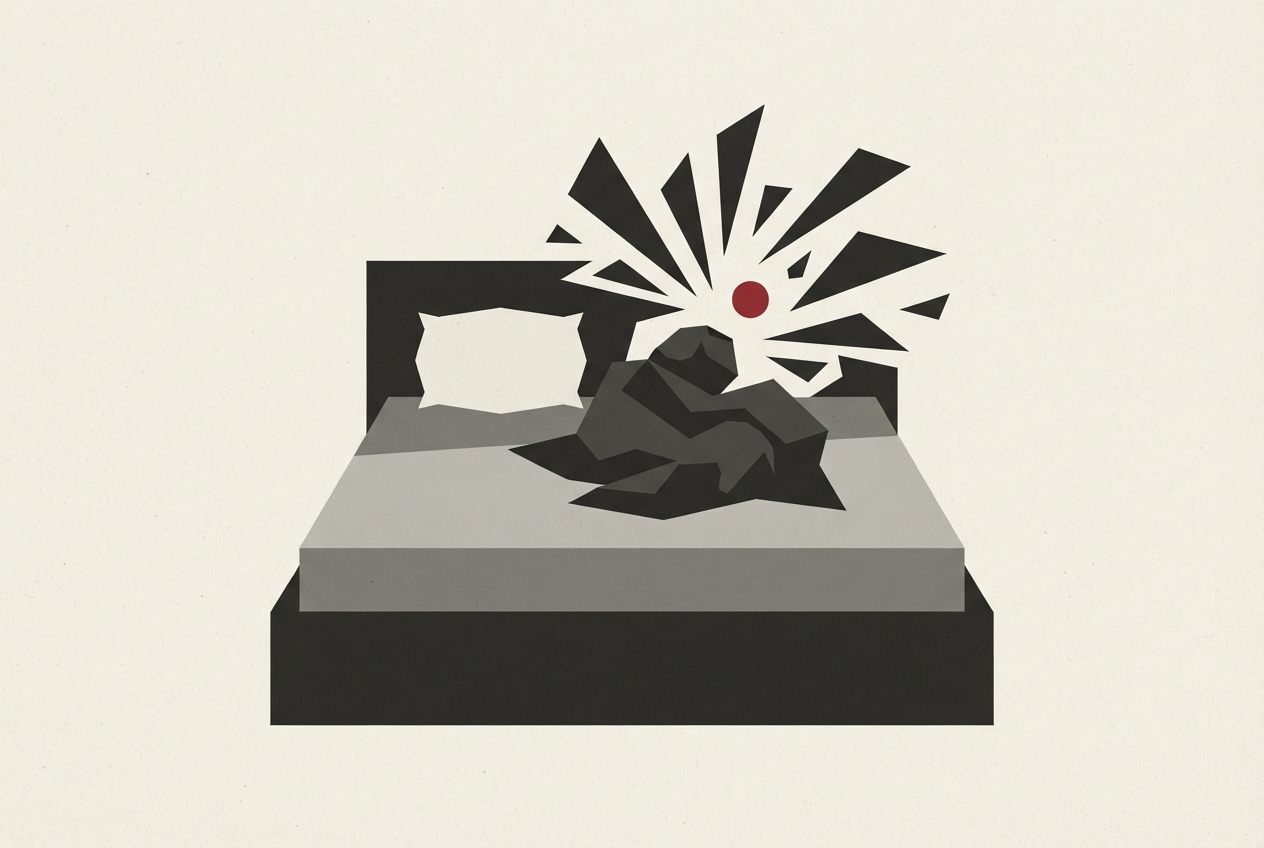
The first night in an unfamiliar location often proves troublesome for sleep, according to Robinson Leoni. He experiences a longer time to fall asleep, wakes up more frequently during the night, and enjoys less overall rest. This is known as the "first-night effect," a common phenomenon among travelers. Sleep specialists believe it has evolutionary origins, as the brain remains vigilant in new environments.
Research shows people lose an average of 20 to 30 minutes of sleep in new settings, and the brain's frontal lobe, associated with deep sleep stages, becomes more active, indicating heightened alertness. The effect is more pronounced in children, adolescents, and older adults, with those in their 20s being the least affected. While evolutionary vigilance is a factor, psychological factors like anxiety can exacerbate the issue, creating a self-fulfilling cycle where worry about sleep keeps people awake.
Sleep experts recommend adhering to a consistent sleep routine, creating a comfortable environment, and even visualizing safe, familiar settings to ease the first-night effect.
Written by urgent.news from Winnipeg Free Press's reporting — not their text. Machine-written — may contain errors; check the original before relying on it.