Groundbreaking neuroscience centre opens at UCT to protect children's brain development
Discover how UCT's new neuroscience centre is set to transform the future of children's brain health in Africa, addressing critical challenges and fostering local talent.
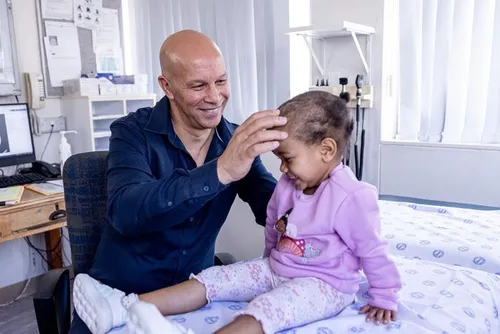
The human brain, the most intricate organ in the known universe, undergoes remarkable transformation during childhood, laying the foundation for an individual's entire life. Injuries, severe infections, or sudden diseases can significantly alter a child's trajectory. In response to this challenge, the University of Cape Town (UCT) has established the SAMRC Discovery Neuroscience in Children Unit, a high-tech facility committed to protecting and understanding the developing brain.
Professor Anthony Figaji, director of the new unit, highlights the dual challenge of Africa's high prevalence of brain conditions and the urgent need to study and protect the brain in childhood. The SAMRC Discovery Neuroscience in Children Unit aims to enhance the diagnosis and treatment of acute brain conditions while training the next generation of neuroscience leaders in Africa.
The launch of this unit represents a significant milestone for the African Brain Child (ABC), a clinical and research initiative based in the Paediatric Neurosurgery Unit at Red Cross War Memorial Children's Hospital and UCT's Neuroscience Institute. With a focus on the African continent's unique burden of pediatric brain disease, the unit's formation capitalizes on its extensive clinical, laboratory, and infrastructure expertise.
Professor Liesl Zühlke, SAMRC's vice-president of Extramural Research and International Portfolio, welcomes the expansion, emphasizing the unit's role in translating scientific discoveries into patient care - a concept known as translational science. Key research areas include cellular mechanisms, drug delivery, and biomarkers and genomics.
In addition to pediatric neuroscience, UCT is developing other modern frontiers, including an AI for African Population Health Research Unit led by Professor Nicola Mulder and training the next generation of African scientists and doctors through postgraduate programs and mentorship. The ultimate measure of the unit's success, according to Professor Thokozani Majozi, UCT’s deputy vice-chancellor for research and internationalisation, lies in its human impact - protecting young brains and fostering local scientific leadership for the future of Africa.
Written by urgent.news from IOL's reporting — not their text. Machine-written — may contain errors; check the original before relying on it.