Goods, oil transporters strike continues over fuel pricing, taxes
https://www.dawn.com/news/2022041
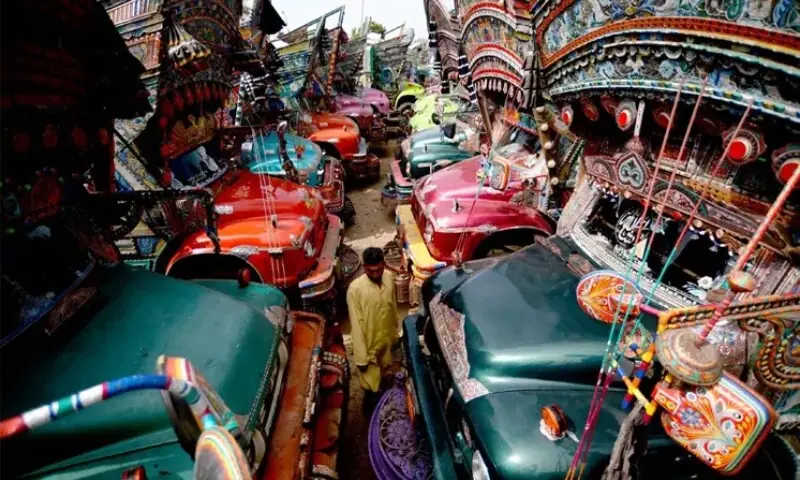
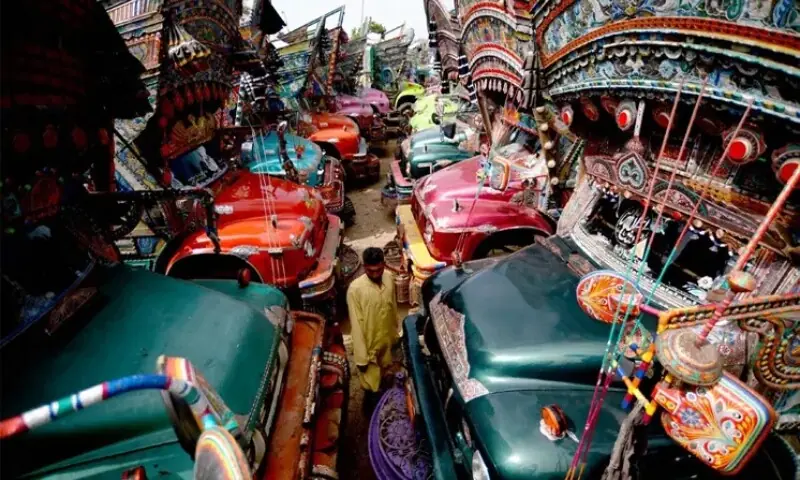
Negotiations between striking transporters and the government have continued until late Monday night, with both parties holding firm on their demands concerning fuel pricing, taxes, and transportation regulations. The deadlock persists, primarily due to issues surrounding fuel pricing, taxes, and transportation standards. The strike began on Friday night, with various types of vehicles, including oil tankers, trailers, and goods transport trucks, withdrawing from the roads.
The government extended an invitation for talks with the collective body of striking transporters, following the inconclusive first round of negotiations held on Monday morning. Both sides were unwilling to compromise, leading to a second round of negotiations taking place later in the afternoon. The transporters have three main demands, each associated with different ministries.
They seek an increase in the permissible weight for 10-wheeler vehicles from 27.5 tonnes to 35 tonnes, a revision in toll tax rates, and a monthly review of diesel pricing to better align with their business planning.
Additionally, the transporters have raised concerns about customs duties and income tax. The government's negotiating team, led by Communications Minister Aleem Khan and Petroleum Minister Ali Pervaiz Malik, included representatives from the Federal Board of Revenue (FBR), various ministries, ports and shipping, federal secretaries, and transport secretaries from the four provinces. However, no decision has been reached thus far.
Advocate Mohammad Owais Chaudhry, the spokesman for the All Pakistan Goods Transport Ittehad alliance, emphasized that while negotiations were ongoing, the transporters' demands would not be flexible. The government was considering lowering toll taxes for heavy vehicles and amending the axle load, attributing the fuel adjustment to international market volatility.
Nonetheless, the government is exploring options to alleviate the impact of the strike on industrial production, supply chains, exports, and overall economic activities in Pakistan.
The Karachi Chamber of Commerce and Industry (KCCI) President, Muhammad Rehan Hanif, urged both federal and provincial governments to engage with the transport sector representatives at the highest level. He warned of the potential for cascading effects on industrial production, raw material availability, finished product delivery, fuel supplies, domestic commerce, and export shipments should the strike continue.
The KCCI pledged to mediate in the situation, urging stakeholders to recognize the significant damage being caused to the nation's economy and to call off the strike for the greater good of Pakistan.
Similarly, the Pakistan Textile Council (PTC) Chairman, Fawad Anwar, expressed concerns over the potential impact on Pakistan's textile and apparel industry, which heavily depends on uninterrupted transportation of raw materials and timely delivery of finished products. He acknowledged that resolving the deadlock would require coordination among multiple government departments.
Anwar urged Prime Minister Shehbaz Sharif to bring together relevant government authorities and transport sector representatives to achieve an early resolution of the ongoing strike.
Written by urgent.news from Dawn Business's reporting — not their text. Machine-written — may contain errors; check the original before relying on it.
This story
This is one outlet's version. Read the fullest account.