Gas flaring: CSOs raise concern over poor enforcement of Methane emission laws in Nigeria
Civil Society Organisations in Nigeria, Policy Alert and BudgIT Foundation have raised concern over the gap in the enforcement of methane emission regulations and laws in the country. They said the situation had worsened following the media’s inability to give maximum attention to the area through rigorous and sustained reportage. During a Webinar themed: “Media, […] Gas flaring: CSOs raise…
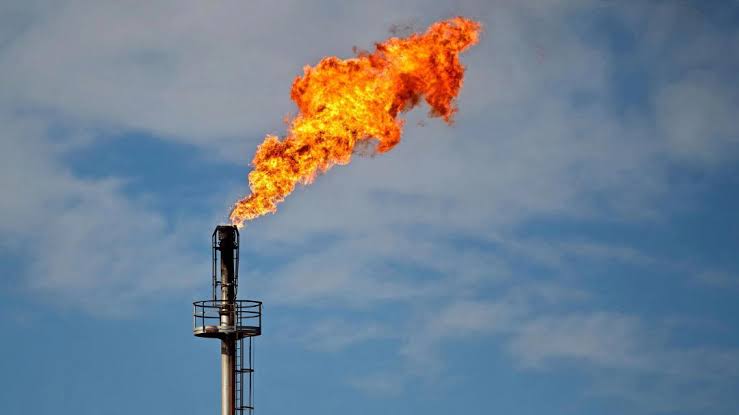
Nigerian civil society organizations, Policy Alert and BudgIT Foundation, have expressed concern over the inadequate enforcement of methane emission regulations in the country. The issue has become more pronounced due to limited media coverage and sustained reporting on the matter. During a webinar titled "Media, Accountability and Methane Emissions Enforcement," attendees emphasized the critical role journalists play in holding relevant actors accountable and ensuring the enforcement of existing laws.
Edidiong Dickson, Lead Energy Extractive Desk at Policy Alert, lamented the poor accountability of relevant stakeholders involved in methane emissions, which have adversely affected the lives and livelihoods of host communities. He emphasized that journalists serve as the primary line of accountability, shining a light on the concerns of communities and ensuring that the necessary laws are enforced.
Dickson stated, "For too long, gas flaring has been treated as a routine cost of doing business, when in reality it is a routine cost imposed on the health, air, and livelihoods of host communities."
Enebi Opaoluwa of BudgIT Foundation echoed similar sentiments, expressing disappointment in the ineffective enforcement of methane emission accountability in Nigeria. He attributed this to insufficient reporting and argued that robust and consistent reporting can transform technical compliance failures into public discussions, prompting regulators to take action.
Opaoluwa remarked, "At BudgIT, we've long argued that accountability starts with visibility, you cannot enforce what you cannot see, and you cannot see what isn’t reported. Methane emissions enforcement in Nigeria suffers from exactly this gap: the data exists, the regulations exist, but the follow-through does not. Journalists sit at the centre of closing that gap."
Participants at the webinar acknowledged that methane emissions, particularly from routine gas flaring, continue to pose substantial environmental, public health, and climate risks. They stressed the importance of sustained, evidence-based journalism to enhance public awareness, scrutinize regulatory compliance, amplify the experiences of affected communities, and bolster enforcement efforts by relevant authorities.
Written by urgent.news from Daily Post Nigeria's reporting — not their text. Machine-written — may contain errors; check the original before relying on it.