“Faster than originally planned”: Russia wants 292 Starlink-rival satellites by 2027
The Rassvet network already offers brief connections as satellites cross Ukraine. Kyiv is discussing countermeasures.
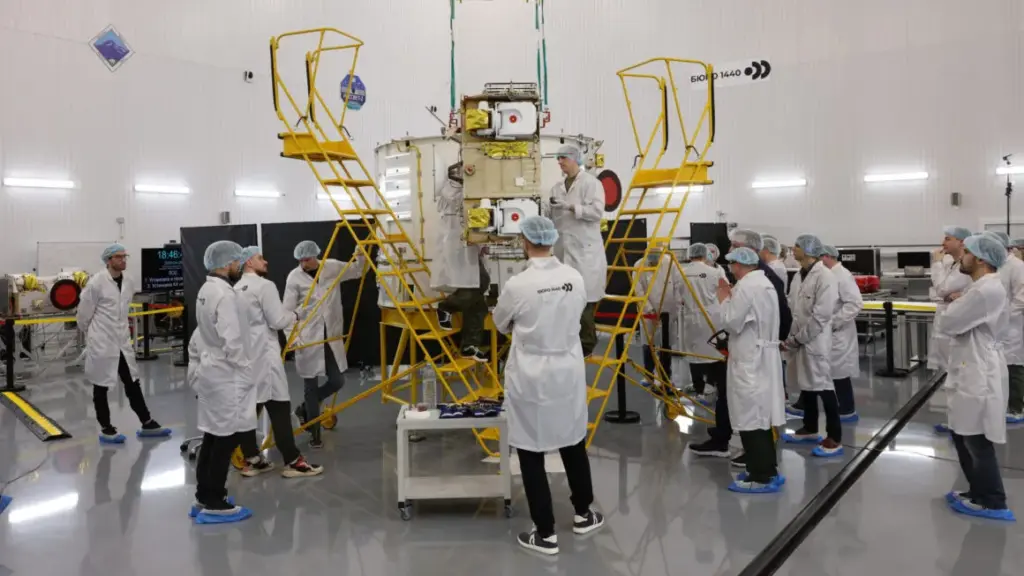
Russia plans to deploy 292 Starlink-rival satellites, termed Rassvet, by the end of 2027, according to Vadym Skibitskyi, Deputy Chief of Ukraine's Defense Intelligence (GUR). This accelerated timeline is faster than initially anticipated. The network could eventually expand to 924 satellites by 2035, providing an independent alternative to the US-owned Starlink service, which Ukrainian forces heavily rely on for battlefield communications and drone operations.
Rassvet's current connectivity is intermittent, but it could eventually support strike drones, potentially prompting Ukraine to devise countermeasures. Earlier, Ukrainian forces utilized unauthorized Starlink terminals until Ukraine and SpaceX halted access on February 5. This disruption severely affected Russian communications and assaults along multiple battlefronts.
On August 10, 2026, the Security Service of Ukraine (SBU) reported dismantling two schemes that registered Starlink terminals for transfer to Russian forces.
Bureau 1440, the Russian satellite developer behind Rassvet, initiated network testing with three satellites in 2023. By 2024, they launched three larger prototypes to evaluate enhanced equipment, such as satellite-based 5G technology and laser links between spacecraft. The first batch of 16 Rassvet satellites was launched on March 23, 2026, following manufacturing issues that had delayed the mission. A second batch of 16 satellites followed in July.
In May 2026, Serhii "Flash" Beskrestnov, a defense technology adviser to the President of Ukraine, stated that each Rassvet satellite then in orbit passed over Ukraine roughly once daily, offering six to ten minutes of connectivity. He estimated that continuous coverage would necessitate 200-250 satellites.
Written by urgent.news from Euromaidan Press's reporting — not their text. Machine-written — may contain errors; check the original before relying on it.