Biocultural families: Study centers Indigenous priorities in connections to environment
Washington State University horticulturist Jeffrey Wall partnered with members of the Mi'kmaq First Nations people of Canada to create a new, Indigenous-centered model of the connections that link humans with plants, animals and the environment.

A Washington State University horticulturist, Jeffrey Wall, has collaborated with members of the Mi kmaq First Nations people of Canada to develop an Indigenous-centered model for understanding the connections between humans, plants, animals, and the environment. Wall interviewed traditional knowledge keepers to gather insights into their concept of biocultural connectivity—highlighting the importance of human cultures and local ecosystems.
The Mi kmaq, a resilient people native to the U.S. Northeast and Canada's Atlantic provinces, are working to revitalize their language and expand their landholdings. With more than 66,000 registered members, the Mi kmaq are deeply connected to their environment and want to promote a future that reflects their cultural heritage and traditions.
The project, published in Environmental Science & Policy, reflects the concept of "two-eyed seeing," which involves understanding the world from both Indigenous and Western perspectives.
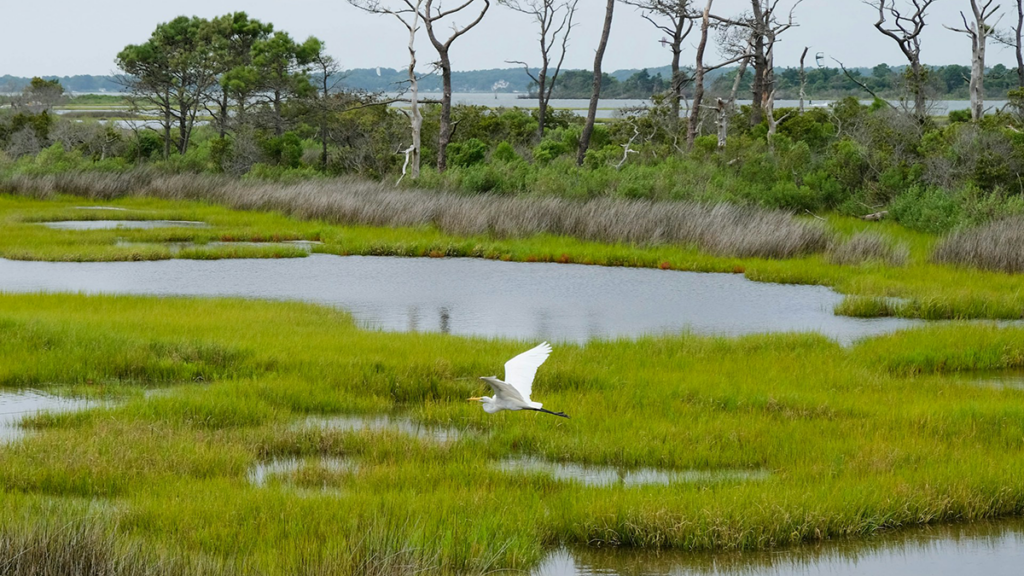
Using Mi kmaw place names, oral teachings, workshop transcripts, and Indigenous-led biological surveys, Wall's team identified four living things as biocultural leaders: beaver, spruce trees, berries, and waterfowl. These species represent seasons and common landscapes in Unama ki, such as forests, coastal wetlands, clearings, and riparian spaces. The human element is also crucial, with the Mi kmaw phrase "weji-sqalia tiek" (We sprout from here) emphasizing the Mi kmaq's integral role in the environment.
The study also emphasizes the importance of connections between generations, environmental healing, and the concept of Kepmej (taking action that maintains the Mi kmaw way of life). Unama ki foresters, biologists, and earth keepers—Indigenous guardians who monitor and care for the land and culturally significant species—use biocultural indicators to guide their work. The framework supports environmental assessment through reciprocal relationships with the land, promoting environmental health and cultural continuity.
Written by urgent.news from Phys.org's reporting — not their text. Machine-written — may contain errors; check the original before relying on it.