EU study warns pesticide import curbs risk lifting food prices
Concerns from 19 countries at a World Trade Organization meeting were raised on risk assessments and price increases for consumers.
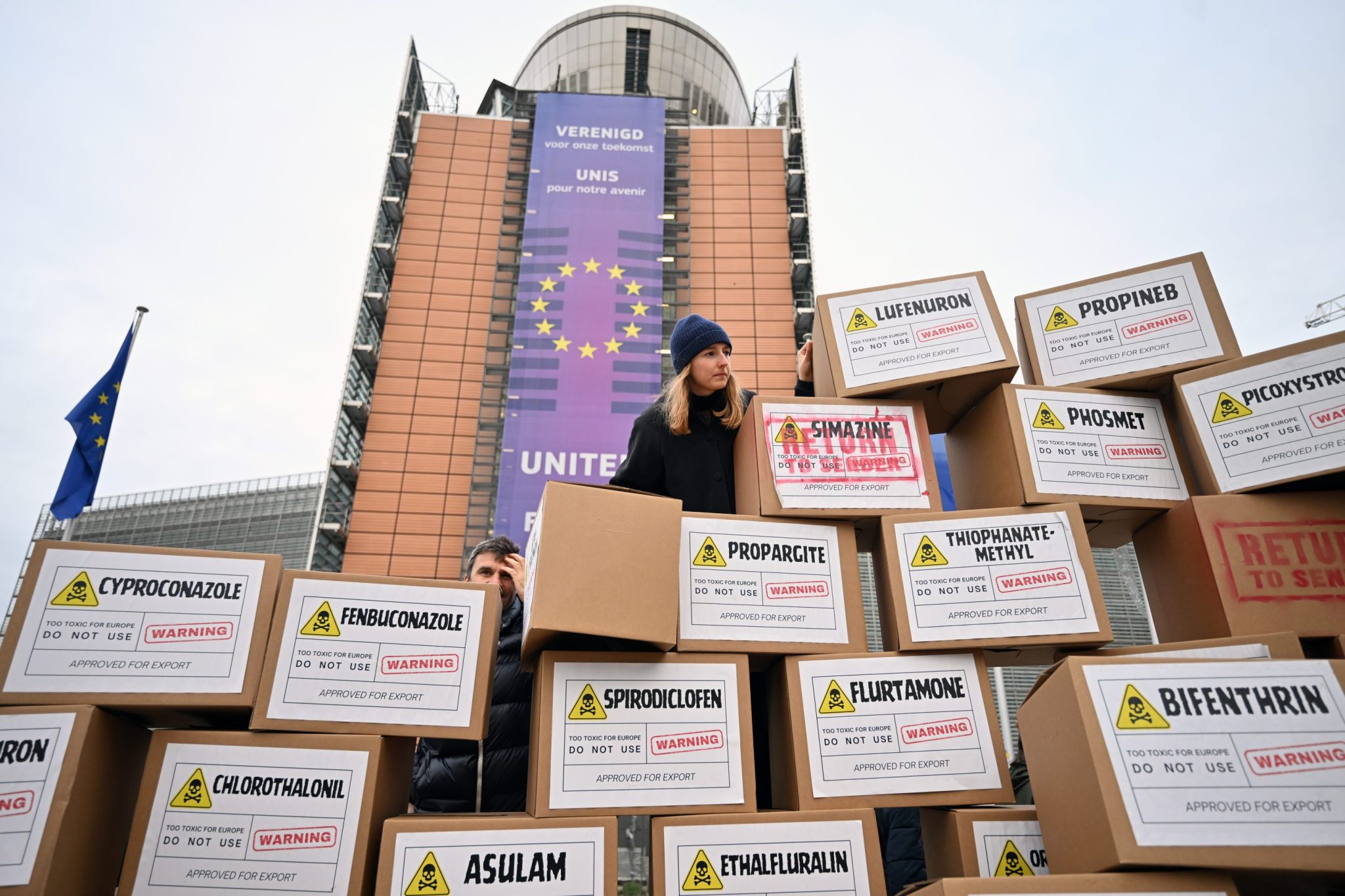
A European Union study published on Tuesday suggests that proposed curbs on farm imports treated with pesticides may lead to higher consumer prices, exacerbating trade concerns raised by major agricultural powers including the United States and Brazil. The European Commission's preliminary study indicates that in assessed scenarios, imports would decrease while EU production increases, and consumer prices rise, though the extent of these changes would depend heavily on exporters' adaptation.
The study aligns with concerns expressed by 19 countries at a recent World Trade Organization meeting, including the US, Canada, Brazil, Australia, and Argentina. The US had previously urged the EU to ensure its proposals are backed by a comprehensive risk assessment and refrain from unnecessary withdrawals. The European Commission proposed these measures in December as part of its efforts to simplify food and feed safety legislation and ensure a level playing field for EU producers.
The proposal would allow the EU to ban imports with traces of pesticides not authorized within the bloc. This "zero-tolerance approach" could destabilize markets and supply chains, making it nearly impossible to reliably export to the EU, according to the US Department of Agriculture. EU spokespersons emphasized that the study is just one step in the process and should be evaluated independently of the proposed measures, which will be assessed on a case-by-case basis.
The EU aims to limit the traces of certain pesticides in imports, effectively banning their use on exported products. Critics argue that different agricultural or climate conditions may justify the use of specific pesticides, calling for import tolerances to maintain international trade. Canada, Australia, and the US have expressed concerns over the potential impact on their exports, with Canada's Minister of International Trade warning the proposal departs from internationally accepted approaches to scientific evidence and dietary risk assessments in setting Maximum Residue Levels.
Written by urgent.news from Fortune's reporting — not their text. Machine-written — may contain errors; check the original before relying on it.
This story
This is one outlet's version. Read the fullest account.
- EU Study Warns Pesticide Import Curbs Risk Lifting Food Prices financialpost.com