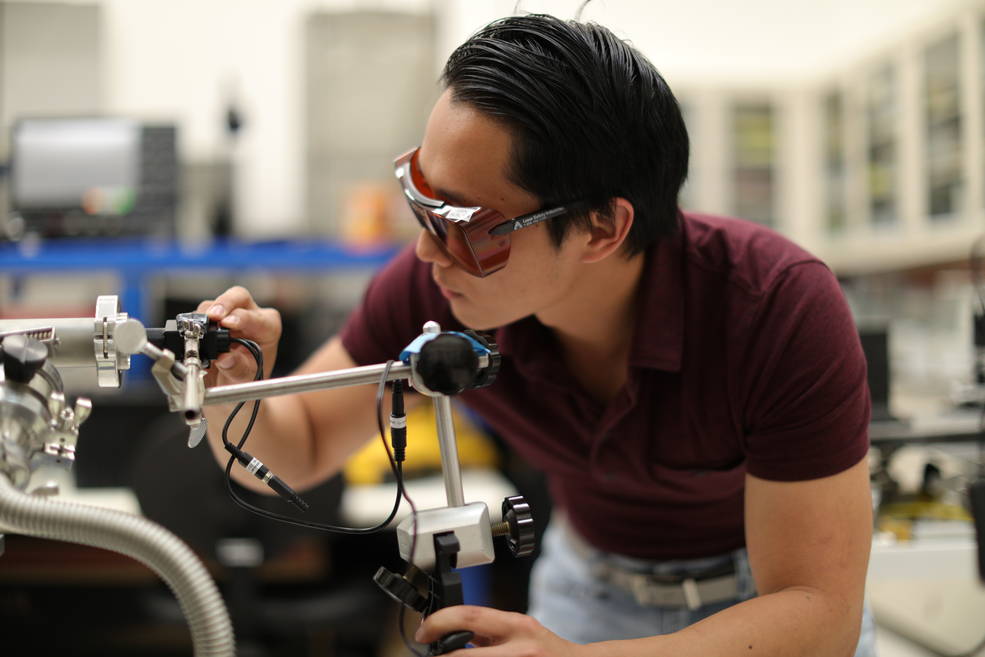
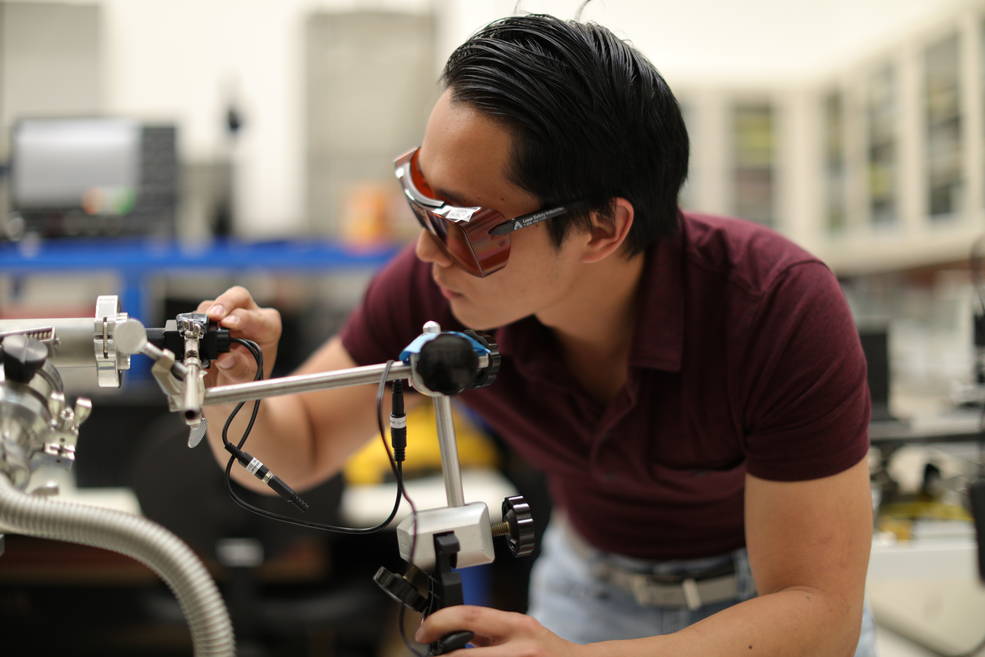
Electrostatics and Surface Physics Laboratory Capabilities
Capabilities and Specialized Equipment The following electrostatic testing, measurement, and analyses can be performed in high and low temperatures, pressures, humidity and at various atmospheric conditions: The post Electrostatics and Surface Physics Laboratory Capabilities appeared first on NASA Science .
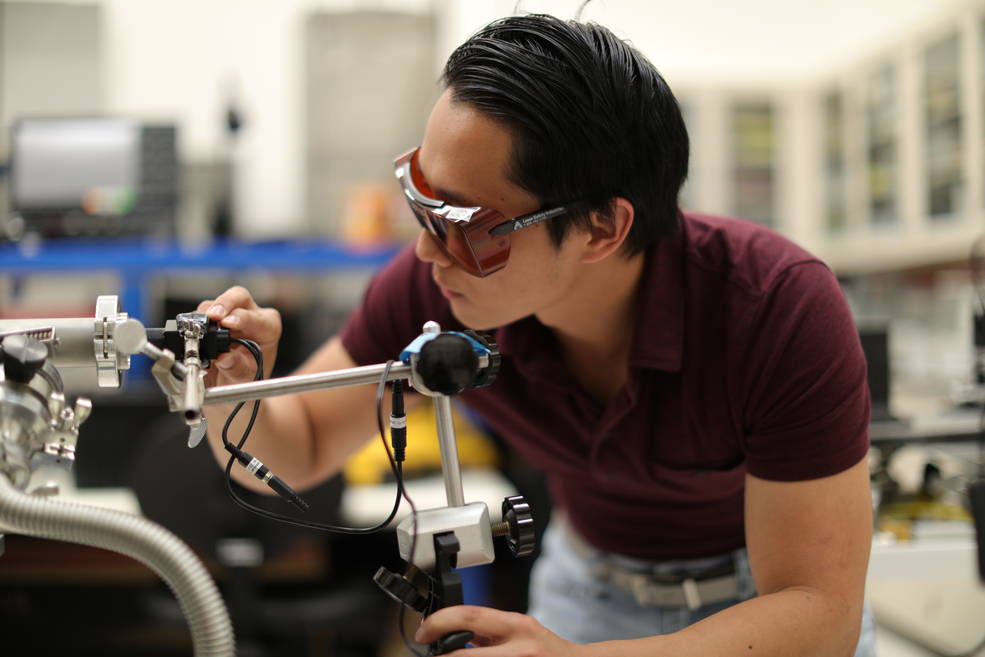
The Electrostatics and Surface Physics Laboratory at NASA's Kennedy Space Center in Florida boasts a range of capabilities and specialized equipment for performing electrostatic testing, measurement, and analysis under various conditions. These tests can be conducted at high and low temperatures, pressures, humidity levels, and under different atmospheric conditions.
The laboratory's equipment includes surface resistivity meters, charge decay testers, triboelectric charge analyzers, volume resistivity testers for solids, liquids, and powders, adhesion coefficient determiners, electric field measurement devices, surface charge distribution measuring tools, and embedded electrostatic sensors. It also features plasma treatment systems for surfaces, electrospraying apparatus for liquids, hydrophobicity and contact angle measurement devices, electrical conductivity and grounding determination tools, dielectric breakdown strength testers, and powder or liquid aerosol generators and testers.
Other equipment includes RF emission detectors for electrostatic discharge, charged grain detection tools, corona discharge and brush discharge measurement devices, Paschen breakdown testers, liquid conductivity and powder resistivity analyzers, laser etching machines, susceptibility testing apparatus via Charged Device Model (CDM), Machine Model (MM), and Human Body Model (HBM), lunar/mars vacuum chambers, various vacuum systems (2 bell jars, 1 stainless-steel UHV-capable), three environments chambers with state-of-the-art electrostatic measuring equipment (static monitors, charge decay, coulomb meters), and state-of-the-art electrostatic testing equipment.
Dr. Carlos Calle, the lead scientist at the Electrostatics and Surface Physics Laboratory, recently prepared an Electrostatic Dust Shield for testing. The device aims to mitigate dust issues on equipment, astronauts' space suits, and helmet visors of those exploring the Moon or Mars. The Electrostatic Dust Shield is scheduled for analysis aboard the International Space Station in the spring of 2019 to verify its effectiveness in the space environment.
Written by urgent.news from NASA Science's reporting — not their text. Machine-written — may contain errors; check the original before relying on it.