Economic losses from natural disasters fall to US$100bil in first half of 2026
Reinsurance group Swiss Re said the losses were well below the US$152 billion recorded in the first half of 2025.
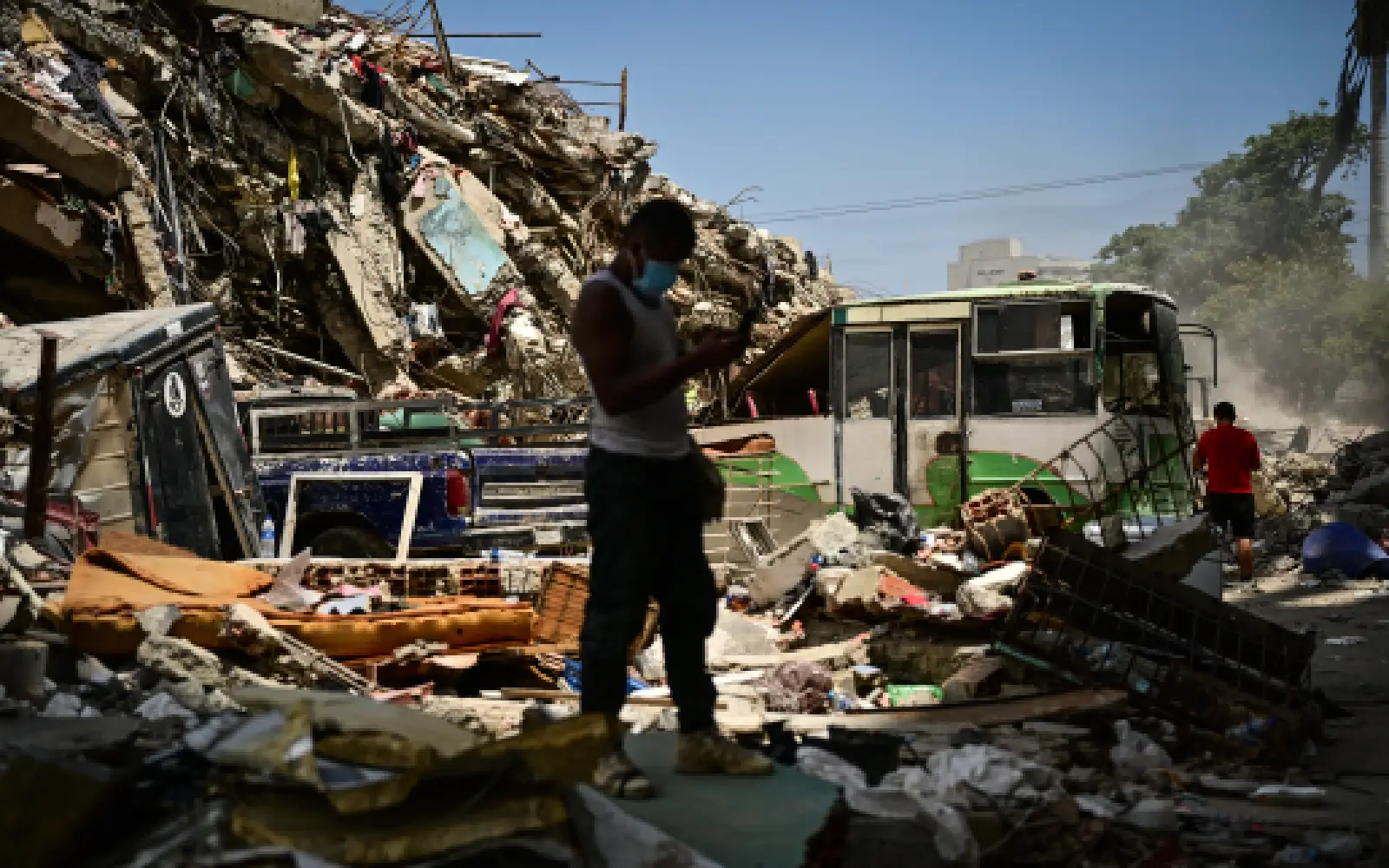
Swiss Re, a reinsurance group, reported that global economic losses from natural disasters in the first half of 2026 amounted to US$100 billion, a significant decrease from the previous year's US$152 billion. Despite severe storms in the United States and deadly earthquakes in Venezuela during June, the losses remained well below the 10-year average for the period.
However, Swiss Re warned that losses from natural disasters typically surge in the second half of the year, primarily due to hurricanes in the North Atlantic. Director of Catastrophe Perils, Balz Grollimund, emphasized that a single major event such as a hurricane, earthquake, or wildfire could drastically alter the risk landscape.
Recent severe heatwaves across Europe since June have triggered an early wildfire season in France and Spain, resulting in substantial property damage and infrastructure losses. While wildfire risk has accounted for a relatively small portion of insured losses in Europe thus far, it is the fastest-growing weather-related peril globally, with insured wildfire losses growing by 8-11% annually since 1970, even after accounting for inflation.
Swiss Re also cautioned that the ongoing El Nino climate pattern, which began in June and is expected to peak later in the year, could exacerbate the cost of weather-related disasters. El Nino may impact tropical cyclone activity in the Central and East Pacific, potentially affecting the risk of floods, wildfires, and other weather extremes.
The long-term drivers of catastrophe losses, including increased exposure in hazard-prone areas and rising reconstruction costs, remain unchanged, according to the report.
Written by urgent.news from Free Malaysia Today's reporting — not their text. Machine-written — may contain errors; check the original before relying on it.
This story
This is one outlet's version. Read the fullest account.